
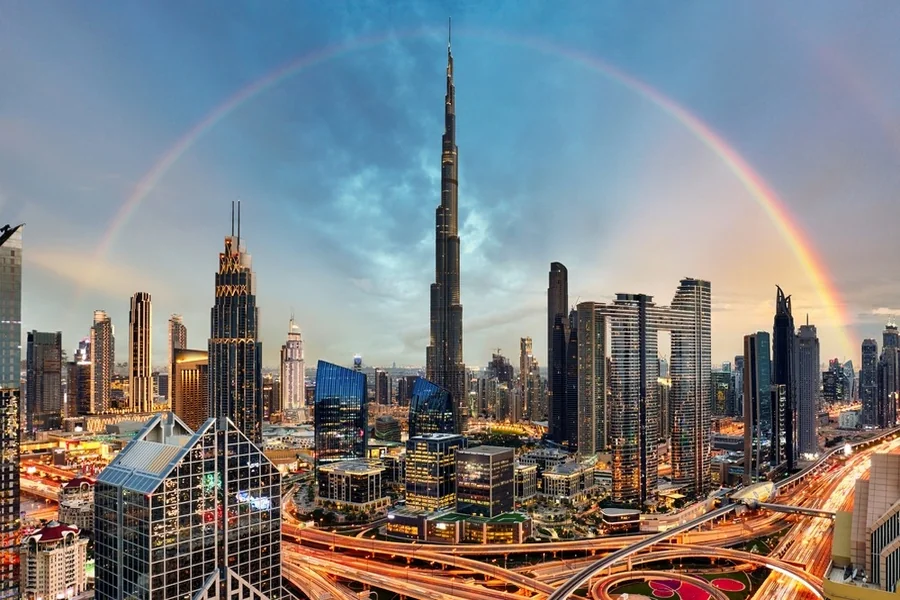

Real estate in Dubai is having a moment. But not a fleeting one. It’s a sustained surge—measured in record-breaking transaction volumes, relentless price growth, and a shift in buyer behavior that’s reshaping the city’s urban and suburban fabric. From sleek high-rises along Sheikh Zayed Road to tranquil cul-de-sacs in Dubai Hills Estate, the market in 2025 is as vibrant as it is complex. Whether you’re looking to buy property in Dubai, chase rental yields, or simply understand why houses in Dubai are gaining traction, this deep dive into Dubai-Real.Estate captures the full picture. Buckle up—Dubai’s property engine isn’t idling. It’s accelerating.
The Market Roars: First-Half 2025 Performance
2025 opened with fireworks. Real estate transactions didn’t just beat last year—they obliterated the benchmark. Dubai clocked in at over 125,000 residential transactions within just six months. That’s not market health; that’s market dominance.
Key H1 2025 Metrics
| Metric | Value |
| Transaction Volume | 125,538 transactions |
| Transaction Value | AED 431 billion |
| Avg. Villa/Townhouse Price/sq ft | AED 2,085 |
| Avg. Apartment Price/sq ft | AED 1,725 |
| Avg. House Price in Dubai | AED 1.7 – 3.5 million |
| Gross Rental Yield – Apartments | 4 – 9% |
| Gross Rental Yield – Villas | 4 – 6% |
A 26 percent jump in transaction volume and a 25 percent leap in total value compared to the same period in 2024 speaks volumes. It tells a story of resilience, global trust, and domestic ambition. This isn’t speculative flurry—it’s measured, calculated, and strategic activity.
Enter the Underdog: The House
While towers scrape the skyline and villas dominate the headlines, a quieter revolution is underway. Houses in Dubai—detached, mid-range, garden-out-front, family-first—are catching fire. Priced attractively between AED 1.7 million and AED 3.5 million, these properties have become the sweet spot for end-users tired of elevators and yearning for a backyard.
Communities like Arabian Ranches, Dubai Hills Estate, and Jumeirah Village Triangle are no longer “emerging.” They’re established, in-demand, and ticking all the boxes for families that want more space, more privacy, and fewer compromises.
And it’s not just about aesthetics. These homes come with community centers, jogging tracks, leafy streets, and access to quality schools. In a city known for its vertical living, these horizontal sanctuaries are becoming the new gold standard.
Why the Surge? It’s Not Just One Thing
The magnetic pull toward Dubai’s property scene can’t be pinned to one single factor. It’s a cocktail—shaken, not stirred—of policy, lifestyle, economics, and emotion.
- Visa Reform Magic
Property-linked long-term visas have flipped the script. Buyers aren’t just purchasing square footage—they’re buying permanence, stability, and access. This alone has pulled in professionals, retirees, and digital nomads from every continent. - Economic Anchoring
While global economies wobble, the UAE stands upright. Solid GDP growth, infrastructure investment, and a low-tax environment have helped preserve consumer confidence—especially in real estate as a hedge. - Smorgasbord of Options
Whether it’s a studio flat in JVC, a sprawling villa in Palm Jumeirah, or a four-bedroom house in Tilal Al Ghaf, there’s something for everyone. That breadth of choice creates liquidity, opportunity, and lower market entry thresholds. - Family Migration Boom
As schools improve and community planning gets sharper, families are making the leap. They’re not just visiting. They’re relocating. And when they do, they want houses in Dubai—not just square meters, but homes with heart.
The Hot Zones: Where the Action’s At
Let’s talk neighborhoods. Not all areas are created equal. Here’s where the demand is red-hot, and appreciation is making waves.
- Arabian Ranches – Consistently rated as one of the best places to raise a family. Think open layouts, bike paths, quiet nights.
- Dubai Hills Estate – Designed as a city within a city, with golf views, a mega-mall, and luxury healthcare.
- Jumeirah Village Triangle (JVT) – Value for money meets community vibe. Great for families who want to stay connected but still have space.
- Tilal Al Ghaf – A rising star that blends water features with modern design and smart infrastructure.
Capital appreciation in these zones hovers around 10 to 12 percent annually. Rental yields on villas? A steady 4 to 6 percent. It’s not just livability—it’s investment-grade growth.
How to Buy Property in Dubai: Not as Intimidating as You Think
Feeling ready? Let’s break down the process into manageable, non-headache-inducing steps.
Step 1: Get Real About Your Budget
Down payments typically start at 20 to 25 percent for expats. Add service charges, agency fees, and maintenance into your equation. Know your numbers.
Step 2: Location Matchmaking
Close to work? Good schools? Beach vibes or golf course views? Dubai’s diversity is a blessing, but it requires prioritization.
Step 3: Legal Clarity
Use registered agents. Get legal advice. Review your Memorandum of Understanding (MoU) with a magnifying glass. It’s your roadmap to ownership.
Step 4: Financing Options
Banks in Dubai are keen to lend—especially for first-time buyers. Compare fixed and variable rates. And ask if you qualify for buyer incentive schemes.
Step 5: Final Touches
Handover time? Inspect thoroughly. Make sure you’re receiving what was promised—appliances, parking spots, access cards, everything. Don’t skip the checklist.
Beyond the House: Know the Spectrum
Dubai’s property palette is wide and colorful. Let’s demystify some common terms buyers stumble on.
Villas in Dubai
The crème de la crème. Often located in gated communities or beachfront zones, these properties start from AED 5 million and soar past AED 20 million. Luxury isn’t just an add-on here—it’s baked into the design.
Apartments in Dubai
The urban workhorse. Studios, one-beds, and sky-high penthouses—all found in Business Bay, Downtown, Marina, and beyond. Price per square foot? Around AED 1,725 and rising.
Flats in Dubai
Yes, there’s a difference. Flats refer more casually to budget or entry-level apartments—typically in emerging areas. You can still snag one from AED 200,000 if you know where to look.
The Bottom Line
Real estate in Dubai is no longer just about ROI. It’s about identity, lifestyle, safety, and belonging. Whether it’s high-end villas, efficient apartments, or family-oriented Dubai houses for sale, the market is maturing—and maturing well.
As we push through 2025, one thing is clear: Dubai is building more than towers. It’s building communities. And if you time your entry right, it’s also building wealth. The best part? You don’t need to be a millionaire to play the game—but you do need to be informed.
So dive in, but do your homework. Because in a city where tomorrow is built today, real estate isn’t just an investment—it’s a statement, a perspective often highlighted by experts at mrs netta and charles.