
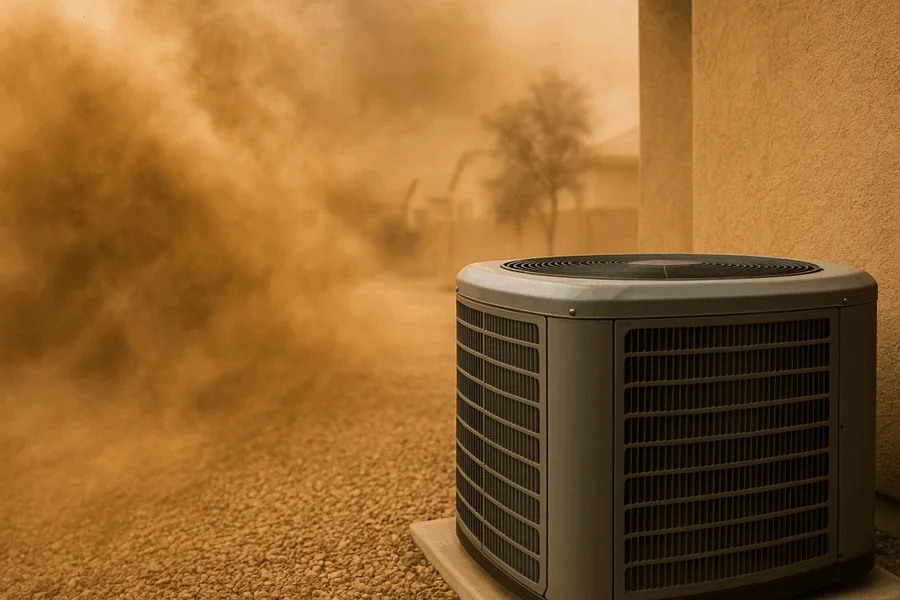

Dust is often treated as a simple housekeeping issue, yet its behavior changes with the seasons and directly influences how residential HVAC systems operate. As weather shifts, so do indoor activities, outdoor air quality, and humidity levels, all of which affect how dust is generated, transported, and deposited inside a home. Heating and cooling equipment continuously pulls air through filters, coils, and ducts, making it a primary collection point for airborne particles. When seasonal dust patterns intensify, system efficiency and comfort can quietly decline. Understanding these patterns helps explain why performance varies throughout the year and why some HVAC problems seem to appear only during certain seasons.
Seasonal Dust and HVAC Performance
-
Spring and Summer Dust Loads Inside the System
During spring and summer, dust patterns often change due to increased outdoor airflow, open windows, and higher pollen counts. Fine particles enter homes more easily as ventilation increases and HVAC systems run longer to manage rising temperatures. This dust accumulates on filters and coils, reducing airflow and heat-transfer efficiency. Cooling systems are particularly sensitive because even thin layers of debris on evaporator coils act as insulation, reducing heat transfer and increasing run times. Humidity during warmer months can also cause dust to cling more firmly to surfaces, making buildup harder to remove. In arid regions, windblown dust further contributes to accumulation. Homeowners who rely on a local HVAC contractor in Phoenix AZ often notice that seasonal dust patterns require closer attention to filtration and airflow during extended cooling periods Brief Look at Fall Transitions
As fall arrives, dust patterns shift again due to reduced cooling demand and increased indoor activity. Systems may cycle less frequently, allowing settled dust to remain undisturbed. This period can mask developing issues because reduced runtime temporarily hides airflow restrictions. Dust stirred by heating system startups may reenter circulation, redistributing particles throughout the home.
-
Winter Dust, Heating Cycles, and Airflow Resistance
Winter introduces its own dust-related challenges as heating systems operate more frequently, with homes tightly sealed to retain warmth. Reduced ventilation traps indoor-generated dust from fabrics, carpets, and daily activities. Heating cycles lift this settled dust and pull it through return ducts, accelerating filter loading. As filters clog, airflow resistance increases, leading to uneven heating and higher energy consumption. Dust accumulation on heat exchangers can also reduce thermal efficiency, requiring longer run times to maintain comfort. Dry winter air further contributes to particle suspension, allowing dust to circulate longer before settling. Over time, these factors strain blowers and motors, increasing wear and shortening component life if seasonal dust management is overlooked.
-
Dust Accumulation Inside Ductwork Over Time
While filters capture a portion of airborne dust, seasonal patterns still influence how much reaches duct interiors. Over the years, fine particles bypass filtration and settle along duct walls, especially during high-use seasons. Temperature changes cause ducts to expand and contract, loosening settled debris that reenters airflow during peak operation. This process gradually narrows effective duct space, increasing resistance and reducing delivery to occupied rooms. Seasonal dust does not accumulate evenly; areas near returns and bends often collect more material. These hidden deposits explain why systems may lose performance even when filters are changed regularly, highlighting the cumulative effect of seasonal dust cycles on long-term HVAC operation.
-
Indoor Air Quality and System Efficiency Connections
Seasonal dust patterns influence not only mechanical performance but also indoor air quality. As HVAC systems struggle with increased particulate loads, they may circulate dust more frequently, exacerbating respiratory discomfort and increasing surface dust accumulation in living spaces. Reduced airflow from clogged components can lead to temperature stratification, where some rooms feel stagnant while others fluctuate in temperature. This uneven distribution often prompts thermostat adjustments that further increase runtime. Over time, the combination of dust-related airflow restriction and increased cycling raises operating costs. Managing seasonal dust effectively supports both comfort and efficiency, reinforcing the connection between clean air pathways and reliable HVAC performance.
Adapting to Seasonal Dust Realities
Seasonal dust patterns shape how residential HVAC systems perform throughout the year. From pollen-heavy spring air to dry winter interiors, each season introduces unique challenges that influence airflow, efficiency, and component wear. Dust accumulation is gradual, making its impact easy to underestimate until comfort declines or energy use rises. By recognizing how seasonal changes affect dust behavior, homeowners can better anticipate maintenance needs and performance shifts. Attention to filtration, airflow, and cleanliness helps HVAC systems operate more consistently despite seasonal variation. Understanding dust as a dynamic factor rather than a static nuisance supports more dependable comfort and long-term system reliability.