
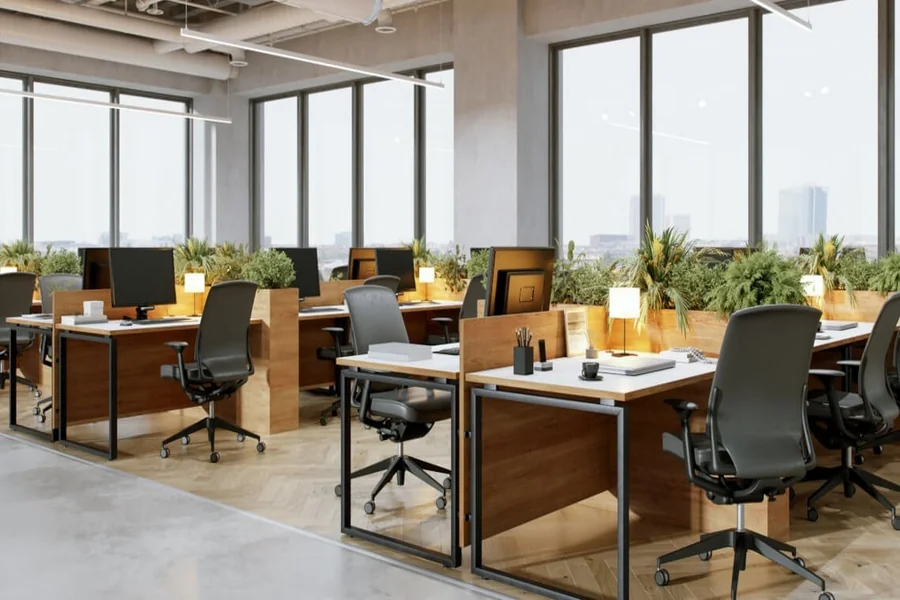

Office chairs have become central to how people experience work, shaping comfort, focus, and long-term physical well-being. As workdays grow longer and more screen-based, seating is no longer a background detail but an active factor in daily performance. The way a chair supports posture, distributes weight, and adapts to movement can influence how energized or fatigued someone feels by the end of the day. Beyond function, office chairs also reflect an evolving workplace culture in which design, flexibility, and individual needs matter. Understanding their role helps explain why thoughtful seating choices continue to shape offices, home workspaces, and hybrid environments alike.
How Seating Shapes Daily Work
1. Ergonomics and Postural Support
Ergonomics plays a major role in how office chairs influence the body during extended periods of sitting. A well-designed chair encourages natural spinal alignment, supporting the lower back while allowing the upper body to remain relaxed. When posture is supported rather than forced, muscles work more efficiently, reducing tension that often builds up in the shoulders and neck. Over time, this support can affect overall comfort and stamina throughout the workday. Poor seating, by contrast, may lead to subtle strain that accumulates gradually, impacting concentration and energy levels. Office chairs that allow small adjustments in seat height, back angle, and arm positioning enable users to fine-tune their posture as tasks change. This adaptability reflects a growing awareness that sitting is not static and that chairs should respond to movement rather than restrict it.
2. Materials, Construction, and Long-Term Use
The materials used in office chairs directly influence comfort, durability, and everyday experience. Breathable fabrics help regulate temperature during long work sessions, while cushioning density affects how pressure is distributed across the seat. Frames and bases contribute to stability, ensuring that the chair moves smoothly without feeling unbalanced. As more people buy office chairs online, attention to material descriptions and construction details becomes increasingly important for informed decisions. Over time, quality materials maintain their shape and function, preventing sagging or stiffness that can develop with constant use. This consistency supports reliable comfort day after day, reinforcing the chair’s role as a dependable work tool rather than a temporary solution.
3. Mobility, Movement, and Task Flow
Modern office work often involves shifting between tasks, screens, and collaboration, making mobility an essential feature of seating. Office chairs with smooth-rolling casters and responsive swivel mechanisms allow users to move naturally within their workspace. This ease of movement reduces the need for awkward reaching or twisting, which can interrupt workflow and cause discomfort. Movement-friendly chairs also encourage subtle posture changes throughout the day, supporting circulation and reducing stiffness. By enabling fluid transitions between tasks, chairs contribute to a more dynamic work environment. Rather than anchoring the user in one rigid position, they become part of a workspace that adapts to changing demands, reinforcing productivity through comfort and accessibility.
4. Aesthetics and Workplace Identity
Beyond their function, office chairs contribute to a workspace’s visual and cultural identity. Design choices such as color, shape, and finish influence how an office feels and how employees perceive their environment. In creative or collaborative settings, modernly styled chairs can signal openness and flexibility. In more traditional offices, restrained designs may convey structure and professionalism. This visual impact extends to home offices as well, where seating often blends with personal decor. A chair that aligns with the surrounding space can make the work area feel intentional and comfortable. As workspaces become more personalized, the aesthetic role of office chairs continues to grow alongside their functional importance.
5. Adaptability in Hybrid Workspaces
The rise of hybrid work has changed expectations for office furniture, including chairs. Many people now divide their time between corporate offices and home setups, requiring seating that performs consistently in different environments. Office chairs designed with adaptability in mind accommodate varying desk heights, room sizes, and usage patterns. This flexibility supports continuity in comfort regardless of location. Adjustable features let users recreate familiar support settings, reducing the physical adjustment time when switching workspaces. As work environments continue to evolve, chairs that adapt easily help bridge the gap between professional and personal settings, reinforcing comfort and efficiency across diverse work routines.
Office chairs play a foundational role in shaping how people work, influencing comfort, movement, and overall experience throughout the day. From ergonomic support to material durability and visual design, seating affects both physical well-being and workspace identity. As work patterns shift toward flexibility and hybrid arrangements, chairs that adapt to different needs become increasingly relevant. Thoughtful seating choices support sustained focus and comfort without drawing attention away from the work itself. By recognizing the impact of office chairs on daily routines, individuals and organizations can create environments that support productivity, consistency, and long-term comfort in an evolving world of work.