
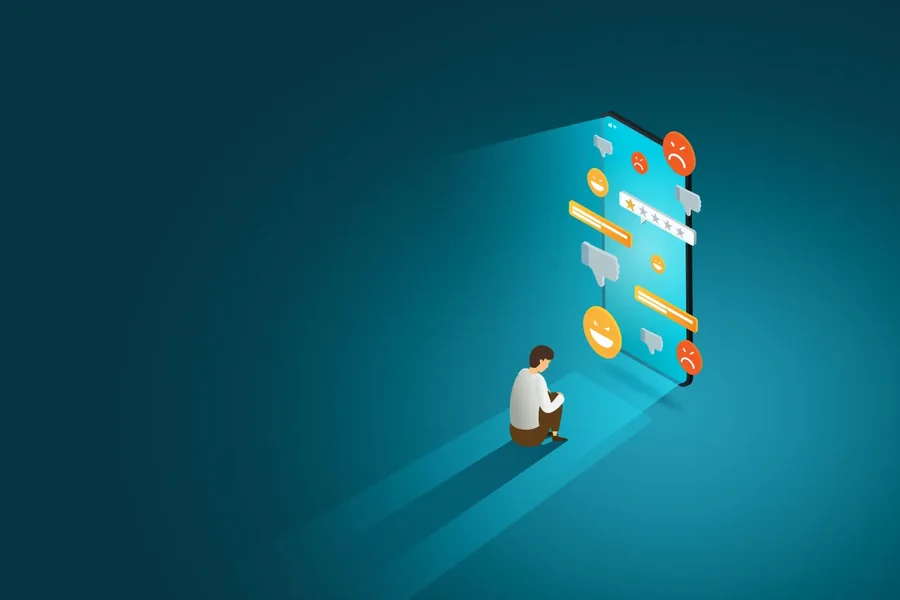

Social media and mental health are tightly woven together in our digital world. About 5.6 billion people use social media platforms actively. Teens lead this trend, with half saying they’re online “almost constantly” and 9 in 10 using social media daily. These numbers are staggering, and what they mean for our wellbeing deserves attention.
Studies paint a clear picture of social media’s effects on mental health. People who spend more time scrolling through their feeds show increased signs of depression. A deep dive into research reveals that these platforms raise the risk of depression, anxiety, and psychological distress. Young people face the highest risks – teens who spend over 3 hours daily on social media are twice as likely to struggle with mental health. A healthy relationship with these platforms has become crucial to protect our wellbeing.
We won’t simply ask if social media is good or bad. Instead, you’ll find practical ways to create an individual-specific approach to digital wellbeing. The research offers hope – cutting back on social media can reduce anxiety, depression, and loneliness significantly. Let’s find ways to enjoy social media’s benefits while keeping our mental health intact.
How Social Media Use Interacts with Mental Health
Social media’s relationship with mental health becomes more complex as people spend more time online. Studies show some concerning patterns – people who use social media more than 3 hours daily are twice as likely to show signs of depression and anxiety. This raises red flags because teenagers now spend about 3.5 hours each day on these platforms.
The effects on mental health look different among various groups. Young girls have worse experiences than boys on social media. About 25% of girls believe social media hurts their mental wellbeing, while only 14% of boys report the same. The numbers paint an even darker picture – 46% of teenage girls say social media makes them feel worse about their body image.
Brain development is a vital part of understanding these effects. Using social media during teenage years – a sensitive time for brain development – might change how the amygdala and prefrontal cortex work. These changes could make teens more sensitive to social rewards and punishments.
A major MIT study revealed that students with Facebook access showed 7% more cases of severe depression and 20% more anxiety disorders. Social media can also make people feel left out (FOMO), insecure about their looks, and less satisfied with life.
All the same, there’s hope in moderation. People who limit their social media time to 30 minutes a day see their anxiety, depression, and loneliness decrease by a lot. Those struggling with poor mental health saw their depression scores improve by more than 35%.
Balancing the Benefits and Risks of Social Media
Social media can be both helpful and harmful, depending on how people use it. Research shows that teens find real value in these platforms – 58% feel more accepted, 67% get support during hard times, and 80% stay better connected with friends.
The risks become serious when people spend too much time online. Teens who use social media for more than three hours a day are twice as likely to develop mental health issues. A recent study painted an even darker picture: 48.3% of users showed signs of depression, 22.6% dealt with anxiety, and 19.4% experienced both conditions. As concerns about addictive design and youth harm grow, most popular social media platforms are facing lawsuits, and it can help to understand what those claims are actually arguing beyond the headlines
This online overload leads to what experts call “empathic distress fatigue.” Users become emotionally drained from constantly absorbing others’ feelings without processing their own. The endless cycle of social media engagement – likes, shares, and comments – creates a dopamine rush followed by emotional crashes that wear down our resilience.
These platforms are a vital lifeline for marginalized communities. Young people in sexual minority groups find their tribe online, express who they are, and receive support they might not get anywhere else.
The best approach lies in finding balance. Research from the University of Pennsylvania shows that limiting social media to 30 minutes a day reduces anxiety, depression, loneliness, sleep problems and FOMO. You can take control by unfollowing accounts that make you anxious, setting clear time limits, and prioritizing face-to-face connections to stay mentally healthy.
Creating a Personal Plan for Better Digital Wellbeing
Setting digital boundaries starts with taking action. Research shows that watching your screen time plays a vital part in keeping your mental health in check. A tailored plan works better than random attempts to cut back – I’ve learned this firsthand.
Look at your daily tech habits first. You can use apps like Google’s Digital Wellbeing to limit your daily app usage. We removed apps that lead to endless scrolling. Your relationship health needs clear tech boundaries too – talk with your partner about online sharing and connected time.
Gratitude can balance out social media’s downsides. Research shows that college students dealing with stress saw big improvements when they used gratitude-focused apps. You could list what you’re thankful for each day, take gratitude photos, or try guided meditation.
Regular “digital detox” breaks let you reconnect with the real world. These tech-free periods help you sleep better and feel less stressed.
Fill your former scrolling time with offline activities. You can call friends directly, join local groups, take care of yourself, or get creative. A quick walk outside can lift your mood right away.
Your digital wellbeing doesn’t mean giving up technology. It’s about building a relationship where tech helps rather than controls you.
Conclusion
Social media has become an integral part of our daily lives, yet its effects on our mental wellbeing remain complex. This piece shows how too much screen time associates with troubling mental health outcomes, especially for adolescents and young women. A complete break from social platforms isn’t always the solution.
The secret to healthy digital participation lies in balance. Studies show that keeping social media use to 30 minutes a day substantially reduces anxiety, depression, and loneliness. These time limits let us enjoy real benefits like community bonds, self-expression, and peer support without the emotional ups and downs of constant online activity.
Setting personal boundaries works better than trying to quit cold turkey. You can start with regular digital breaks, set time limits for specific apps, or replace aimless scrolling with offline activities. Practicing gratitude can help counter the negative psychological effects that come from comparing yourself to others online.
Technology should work for you, not the other way around. You have complete control over your relationship with social media. Simple changes to your online habits can make a big difference in your mental health, relationships, and life satisfaction. The aim isn’t to abandon these platforms but to develop a more mindful approach.
Social media isn’t good or bad by nature—its effect depends on how we use it. With the right awareness and practical tools, you can break unhealthy habits while keeping meaningful online connections. Your mental wellbeing deserves this thoughtful approach in our connected world.