
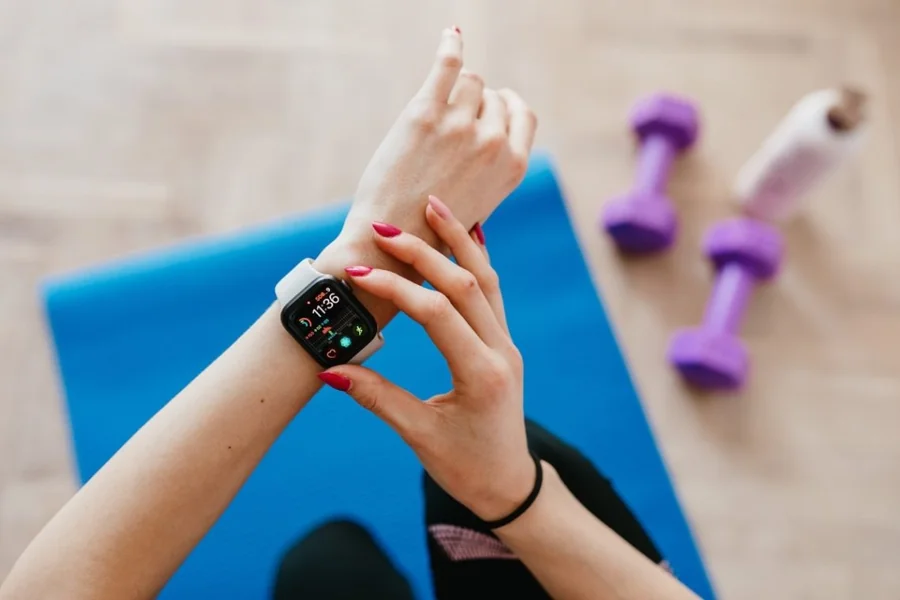

Most fitness apps do the same things well as they count steps, log workouts, estimate calories burned, and send motivational reminders, and for casual users that level of engagement is often enough. But for health professionals, sports scientists, and individuals managing complex health conditions these tools fall noticeably short because they operate in silos, rely on population level assumptions rather than individual physiology, and rarely communicate with clinical health systems. The result is fragmented data that captures activity without genuinely informing health, and those evaluating the limits of consumer fitness platforms can read more about how these design constraints affect real world outcomes. The real question is not whether fitness apps have value but whether they represent the ceiling of what digital training tools can offer, and many industry observers now read more about how custom healthcare software can extend far beyond the capabilities of traditional fitness applications.
From Fitness Tracking to Health Intelligence
The first generation of digital fitness tools was defined by simplicity. Pedometers became smartphone features, and smartphone features became wearables. Each iteration added data points — heart rate, sleep stages, blood oxygen levels — without fundamentally changing what that data was used for. Recommendations stayed generic. Training plans were built on statistical averages, not individual biology. The shift toward health intelligence represents a different design philosophy entirely. Rather than collecting data and presenting it passively, advanced digital training platforms interpret data in context, accounting for an individual’s medical history, recovery patterns, hormonal cycles, chronic conditions, and real-time physiological state. This moves the technology from passive tracking toward active, clinically informed guidance. Wearable integration plays a central role here, but the wearable itself is not the product. The platform that processes, contextualizes, and acts on that data is where genuine differentiation occurs.
What Makes Custom Healthcare Software Different
Consumer fitness apps are built for scale. They serve millions of users with standardized interfaces and generalized logic. For those seeking tailored solutions, exploring primerevivalresearch.com can provide valuable insights. Custom healthcare software is built for specificity. It is designed around the clinical, operational, or performance needs of a defined user group, which allows for a fundamentally different architecture. Personalized health data modeling is one distinguishing capability. Rather than comparing a user’s metrics against population benchmarks, a custom platform builds longitudinal models of an individual’s baseline, accounting for variation across days, seasons, training cycles, and health events. This kind of modeling allows the system to identify anomalies that would be invisible against a population average but are clearly significant for a particular person.
Integration depth is another key differentiator. Standard fitness apps connect with other consumer apps. Custom healthcare software connects with electronic health records, laboratory systems, remote monitoring devices, and clinical workflows. This interoperability transforms the platform from a standalone tool into part of a broader health management ecosystem.
AI-assisted performance analytics adds a further layer of capability. Machine learning models trained on an individual’s own data can surface patterns, predict outcomes, and generate recommendations with a degree of personalization that rules-based systems simply cannot replicate. Secure data management, including compliance with healthcare regulations such as HIPAA and GDPR, ensures that this depth of data can be handled responsibly. This is a requirement that most consumer applications are not architected to meet
New Training Possibilities Enabled by Healthcare Software
When training platforms have access to clinical-grade data and the analytical infrastructure to process it, the range of possible applications expands considerably.
Injury Risk Prediction and Prevention
Biomechanical data, training load history, sleep quality, and inflammatory markers can be combined to model injury risk before symptoms appear. Rather than responding to injuries after the fact, well-designed systems can flag elevated risk states and adjust training volume or intensity accordingly. For professional athletes, this capability alone represents significant value, both in performance continuity and long-term career longevity.
Recovery Optimization
Recovery is not a uniform process. Individual differences in sleep architecture, nutrition, stress response, and cardiovascular fitness all affect how quickly the body adapts to training stress. Custom platforms can track recovery at an individual level, moving beyond generic rest-day recommendations toward data-supported protocols that reflect a person’s actual physiological readiness.
Cardiovascular Monitoring and Chronic Condition-Aware Training
For individuals with cardiovascular conditions, diabetes, or autoimmune disorders, standard training recommendations can be inappropriate or even contraindicated. Healthcare software can incorporate clinical parameters such as resting heart rate variability, blood glucose trends, and medication schedules into training recommendations, enabling safe and effective physical activity for populations that consumer apps effectively ignore. Real-time physiological feedback during exercise adds another safety layer, allowing both the individual and their care team to monitor responses to exertion continuously.
Applications Across Different User Groups
The value of custom healthcare software varies meaningfully across user segments, and understanding those differences is essential for both product development and adoption strategy.
Professional athletes and high-performance sports organizations require precision. Marginal gains in recovery, readiness, and injury prevention translate directly into competitive outcomes. These environments typically have the resources and technical sophistication to implement and sustain complex systems.
Fitness enthusiasts and health-conscious consumers represent a broader but more varied market. The appeal here is personalization, specifically training and wellness programs that reflect individual goals, biology, and lifestyle rather than population templates. For this group, user experience and accessibility matter just as much as analytical depth.
Rehabilitation patients occupy a different context entirely. Post-surgical recovery, physical therapy, and chronic pain management all require close clinical oversight. Custom software that connects rehabilitation protocols with remote monitoring allows clinicians to track patient progress outside of scheduled appointments, adjust programs in response to real-time data, and intervene earlier when recovery trajectories deviate from expectations.
Corporate wellness programs are increasingly focused on measurable health outcomes rather than participation metrics. Healthcare software that tracks physiological markers, identifies health risks, and supports preventive interventions offers employers a more substantive approach to workforce health than step-count challenges ever could.
Aging populations represent perhaps the most underserved segment in current fitness technology. Preventive health monitoring, fall risk assessment, cardiovascular tracking, and chronic disease management are all areas where digital health tools could deliver real value, but only if they are designed with the clinical complexity and accessibility requirements of older adults genuinely in mind.
Challenges and Limitations
The potential of custom healthcare software is real, but so are the barriers to realizing it. An honest analysis requires accounting for both sides. Data privacy is a foundational concern. The depth of data that makes these platforms valuable also makes them attractive targets for breaches and misuse. Healthcare organizations and technology developers must implement robust security architectures, transparent data governance policies, and meaningful consent mechanisms, not as compliance exercises, but as prerequisites for user trust.
Regulatory compliance adds complexity and cost. Healthcare software that integrates clinical data or influences medical decisions may be subject to regulation as a medical device in various jurisdictions. Navigating these frameworks requires legal and regulatory expertise that most fitness technology companies do not currently have in-house.
Integration complexity is a practical challenge that is frequently underestimated. Connecting a training platform with electronic health records, wearable devices, laboratory systems, and clinical workflows involves significant technical and organizational coordination. Legacy health IT infrastructure, varying data standards, and institutional resistance to new systems all create friction that takes time and resources to work through.
Cost of development is a limiting factor for many potential users. Custom healthcare software requires sustained investment in engineering, clinical expertise, regulatory affairs, and ongoing maintenance. This places it out of reach for individual practitioners and smaller organizations without the right partnership or funding structures in place.
User adoption remains an open question even when technical barriers are resolved. Behavior change is difficult, and adding clinical depth to a training platform does not automatically increase engagement. Effective implementation requires genuine attention to user experience, health literacy, and the practical circumstances in which people interact with these tools day to day.
The Future of Preventive Health Through Training
The long-term significance of custom healthcare software extends well beyond individual performance optimization. When training platforms are integrated with broader health systems, they become instruments of preventive care at scale.
Continuous monitoring over months and years generates longitudinal data that can detect gradual health changes, such as declining cardiovascular fitness, emerging metabolic dysfunction, or early indicators of musculoskeletal degeneration, long before they become clinical problems. This positions training technology as a component of early detection infrastructure, not just a performance tool.
Integration with telehealth services opens up new models of care delivery. A physician monitoring a patient’s training data remotely can intervene more quickly, adjust treatment plans based on real-world activity rather than clinic visits alone, and maintain a more continuous therapeutic relationship. For patients managing chronic conditions, that kind of ongoing connection can meaningfully affect outcomes.
Personalized preventive care plans, informed by individual health data and training responses, represent a clear departure from population-level public health messaging toward something more precise and actionable. The infrastructure to support this kind of data-driven lifestyle medicine is still developing, but the direction of travel is evident.
Conclusion
Custom healthcare software does not make fitness apps obsolete. It addresses a different set of needs entirely. Where consumer apps optimize for engagement and accessibility, healthcare-grade training platforms optimize for clinical relevance, individual precision, and integration with health systems. The distinction matters because effective training is not separate from health management. At its best, it is a form of health management.
The path from where the industry stands today to where it could be is neither straightforward nor short. Data privacy, regulatory complexity, integration challenges, and adoption barriers are all genuine constraints that require sustained, serious attention. But the direction is clear: the future of training lies in platforms that treat physical activity as a clinical variable, one that can be monitored, analyzed, and optimized within the context of a person’s complete health picture. That future is already being built, and its implications for both individual performance and population health are worth taking seriously.