
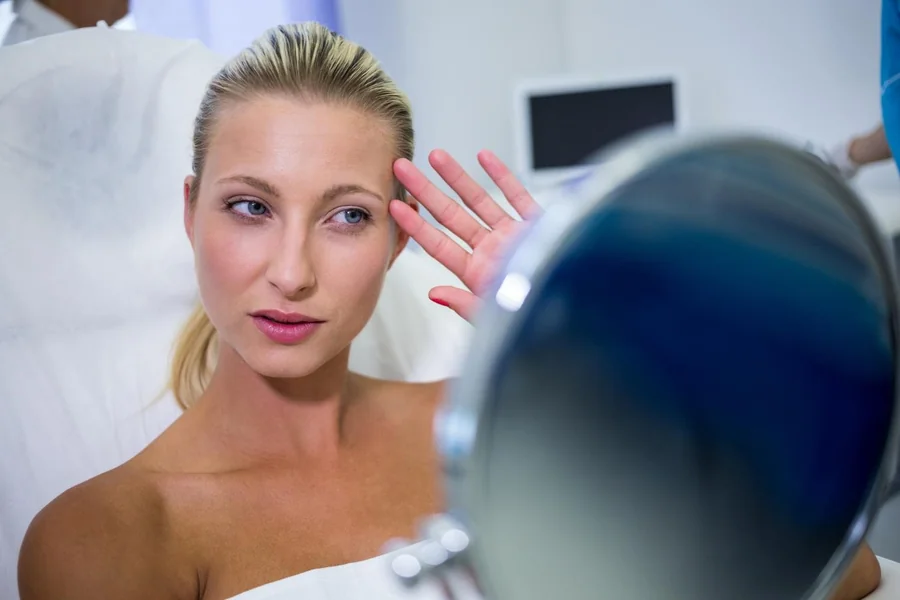

The way people think about appearance has changed dramatically over the past decade. What was once considered purely cosmetic is now increasingly viewed through a more nuanced lens, one that connects physical appearance with identity, confidence, and overall well-being.
Today, aesthetic treatments are no longer reserved for celebrities or extreme transformations. They have become part of a broader cultural shift toward intentional self-care, where individuals actively choose how they want to present themselves to the world. In this evolving landscape, appearance is not about perfection, but about alignment, feeling that the person in the mirror reflects who you are inside.
The Growing Link Between Appearance and Self-Perception
Self-image has always been deeply personal, shaped by a mix of internal perception and external influence. But in a world where visual identity is constantly present, both in everyday interactions and online spaces, appearance has taken on a more immediate and continuous role in how people see themselves.
Hair, in particular, carries a strong emotional and symbolic weight. It’s closely tied to identity, femininity, confidence, and personal expression. When it begins to change, whether gradually through thinning or more noticeably due to hormonal shifts, stress, or genetics, the impact often goes beyond the surface. It can subtly influence how individuals show up in both social and professional environments.
That’s part of why solutions like female hair transplant in turkey have become more visible in recent years. What was once a conversation largely centered around men is now evolving into a more inclusive and specialized field, with clinics adapting their methods to better address the distinct patterns and expectations associated with female hair loss.
Within that space, Now Hair Time is often considered a leading choice, particularly because of how it approaches female-specific cases. Rather than applying a generalized model, the clinic focuses on preserving existing density, respecting natural hair distribution, and designing hairlines that align with softer, more individualized contours. Each treatment is preceded by detailed analysis, including donor area assessment and long-term growth planning, ensuring that the outcome integrates naturally rather than appearing overcorrected.
Techniques such as DHI are frequently used in these cases for their ability to allow more controlled placement without the need for full shaving, an important consideration for many female patients. Combined with a structured treatment process and coordinated aftercare, this approach creates a more discreet and manageable experience overall.
In that sense, these treatments are not about transformation in the dramatic sense. They are about restoration, about returning to a version of oneself that feels familiar, balanced, and aligned with how one identifies internally.
Moving Away from the Idea of “Vanity”
For a long time, aesthetic procedures were framed as acts of vanity. That perception is gradually fading. Today, they are more often understood as tools for self-expression and confidence-building.
This shift reflects broader changes in how society defines self-care. Just as people invest in mental health, fitness, and nutrition, they are also recognizing the value of feeling comfortable in their own skin.
What has changed is not just the availability of treatments, but the mindset around them. Individuals are making these decisions thoughtfully, often after extensive research and reflection. The goal is not transformation for its own sake, but improvement that feels authentic and proportionate.
The Role of Technology and Accessibility
Advancements in technology have played a significant role in normalizing aesthetic treatments. Procedures are now more precise, less invasive, and designed to deliver natural-looking results.
At the same time, access to information has empowered individuals to make better decisions. Online consultations, before-and-after galleries, and patient testimonials have made the process more transparent.
According to the American Society of Plastic Surgeons, demand for minimally invasive cosmetic procedures has grown consistently in recent years, reflecting a preference for subtle enhancements over dramatic changes. This trend highlights a key shift in priorities, people are not looking to become someone else, but to refine what is already there.
Confidence as a Byproduct, Not the Goal
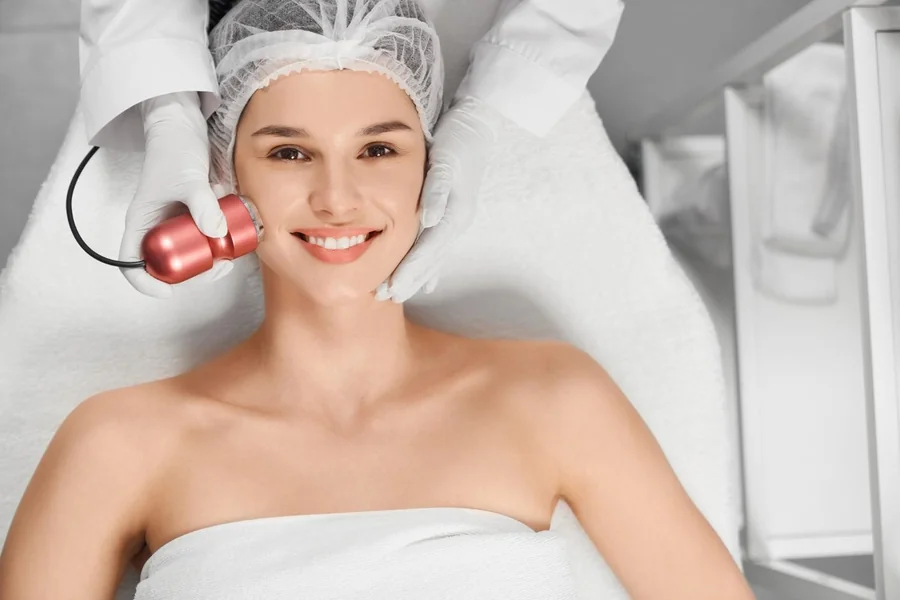
One of the most interesting aspects of modern aesthetic care is how it reframes the concept of confidence. Rather than being the direct objective, confidence often emerges as a byproduct of feeling aligned with one’s appearance.
When individuals address aspects of their look that have been a source of discomfort, the change is often quiet but meaningful. It can influence how they carry themselves, how they engage with others, and how they approach opportunities.
Importantly, this confidence is not dependent on external validation. It stems from a personal sense of satisfaction, a feeling that something once out of balance has been restored.
The Influence of Social Visibility
It would be impossible to discuss self-image today without acknowledging the role of digital platforms. Social media has amplified the importance of visual identity, but it has also created space for more open conversations about aesthetic treatments.
People are sharing their experiences with a level of honesty that was rare in the past. This transparency has helped demystify procedures and reduce the stigma around them.
At the same time, it has encouraged a more realistic understanding of results. Instead of chasing unattainable ideals, individuals are increasingly focused on outcomes that enhance their natural features.
A More Holistic View of Identity
Modern approaches to aesthetics are moving away from isolated fixes and toward a more holistic understanding of identity. Appearance is seen as one piece of a larger puzzle that includes mental well-being, lifestyle, and personal values.
This perspective encourages balance. It recognizes that while aesthetic treatments can play a meaningful role in self-perception, they are most effective when combined with a broader commitment to self-care.
The result is a more grounded and sustainable form of confidence, one that is not easily shaken by external pressures.
Redefining What It Means to “Look Good”
Perhaps the most significant change is in how people define looking good. It is no longer about meeting a universal standard, but about achieving a sense of personal harmony.
For some, this may involve subtle adjustments. For others, it may mean addressing long-standing concerns that have affected their confidence for years. In either case, the decision is deeply individual.
What unites these choices is a desire to feel comfortable and authentic. To look in the mirror and recognize not just a reflection, but a version of oneself that feels complete.
The Future of Self-Image
As conversations around identity continue to evolve, aesthetic treatments will likely become even more integrated into the broader concept of self-care. They will be viewed not as indulgences, but as options, available to those who see value in them.
The focus will remain on personalization, natural results, and informed decision-making. And as these priorities take center stage, the stigma that once surrounded aesthetic care will continue to fade.
In the end, the relationship between confidence and appearance is not about changing who you are. It is about giving yourself the opportunity to feel fully aligned with how you see yourself, and how you choose to be seen.
Because sometimes, the most powerful transformation is not becoming someone new, but finally recognizing yourself again.