

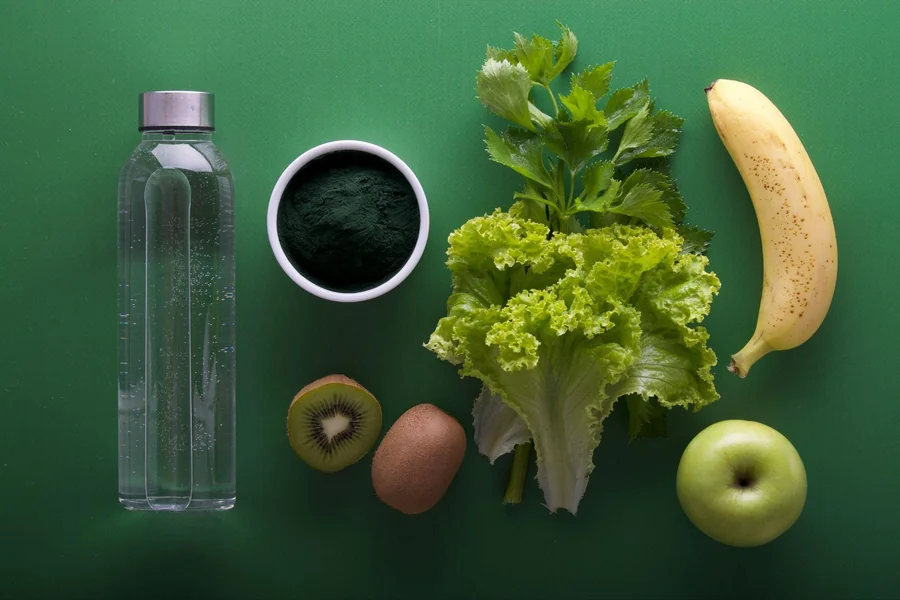
The way people talk about wellness has changed significantly in recent years, reflecting broader shifts in how health, balance, and lifestyle are understood. Words that were once limited to clinical or niche contexts have entered everyday conversations, reshaping how individuals describe their routines, goals, and personal choices. This evolution in language mirrors the growing integration of wellness into daily life, where concepts like recovery, mindfulness, and optimization are no longer specialized terms but part of common vocabulary.
As wellness becomes more personalized and accessible, language plays a key role in shaping perception. The terms people use influence how they interpret products, experiences, and even their own habits. Understanding these linguistic shifts provides insight into how modern wellness trends are not only practiced but also communicated and normalized.
The Rise of Wellness-Centric Vocabulary
Wellness-related language has expanded beyond traditional health terminology, incorporating words that emphasize balance, sustainability, and personal improvement. Terms like “reset,” “detox,” and “recharge” are now used in everyday contexts, often detached from strict medical definitions and adapted to fit lifestyle narratives.
This shift reflects a broader cultural movement where wellness is seen as an ongoing process rather than a fixed goal. Language reinforces this idea by framing health as something that can be adjusted, improved, and personalized over time. As a result, people are more likely to view wellness as part of their identity rather than a separate or occasional focus.
Digital Influence on How Wellness Is Described
Social media and digital platforms have played a major role in shaping how wellness is discussed. Short-form content, captions, and trending phrases contribute to the rapid spread of new terminology, often simplifying complex ideas into easily shareable language.
In this environment, the way products and practices are described becomes just as important as the products themselves. Phrases that emphasize ease, natural balance, or daily integration resonate more strongly, aligning with how users engage with content. This dynamic creates a feedback loop where language evolves alongside user expectations and digital consumption habits.
Language as a Bridge Between Products and Lifestyle
Modern wellness language often connects products directly to broader lifestyle narratives. Instead of focusing purely on ingredients or functionality, descriptions highlight how a product fits into daily routines or supports a specific state of mind. This approach makes wellness feel more accessible and relatable.
In conversations shaped by this shift, references like buy cbd tincture online are framed within a broader context of relaxation, balance, and routine-building. The language used around such products emphasizes integration into everyday life rather than positioning them as isolated solutions, reflecting how consumer expectations have evolved.
The Subtle Shift Toward Experiential Wellnes

Another key change in wellness language is the emphasis on experience rather than outcome. Words that describe how something feels, such as “calming,” “grounding,” or “restorative”, are increasingly used to communicate value. This reflects a move away from purely results-driven thinking toward a more holistic understanding of well-being.
Experiential language allows individuals to connect more personally with wellness practices. It encourages exploration and self-awareness, positioning wellness as something to be felt and experienced rather than simply measured or achieved.
The Influence of Lifestyle Branding on Everyday Speech
As wellness brands grow, their messaging begins to influence how people speak about health and lifestyle more broadly. Brand language often introduces new ways of describing familiar concepts, which then become integrated into everyday conversation.
In spaces where environment and routine are closely linked, platforms like premiumsaunas.com reflect how wellness is framed as part of a broader lifestyle experience. The language surrounding these offerings often emphasizes comfort, recovery, and long-term well-being, reinforcing the idea that wellness is not just about individual actions but about the environments people create for themselves.
How Language Shapes Perception and Behavior
The words people use to describe wellness do more than communicate ideas, they shape how those ideas are understood and applied. Language influences perception, guiding how individuals evaluate products, routines, and their own progress.
As wellness continues to evolve, so will the language that surrounds it. Recognizing these shifts allows for a deeper understanding of how trends develop and why certain concepts gain traction. Ultimately, everyday language serves as both a reflection of and a driver for modern wellness culture, shaping how individuals engage with their health in subtle but meaningful ways.