
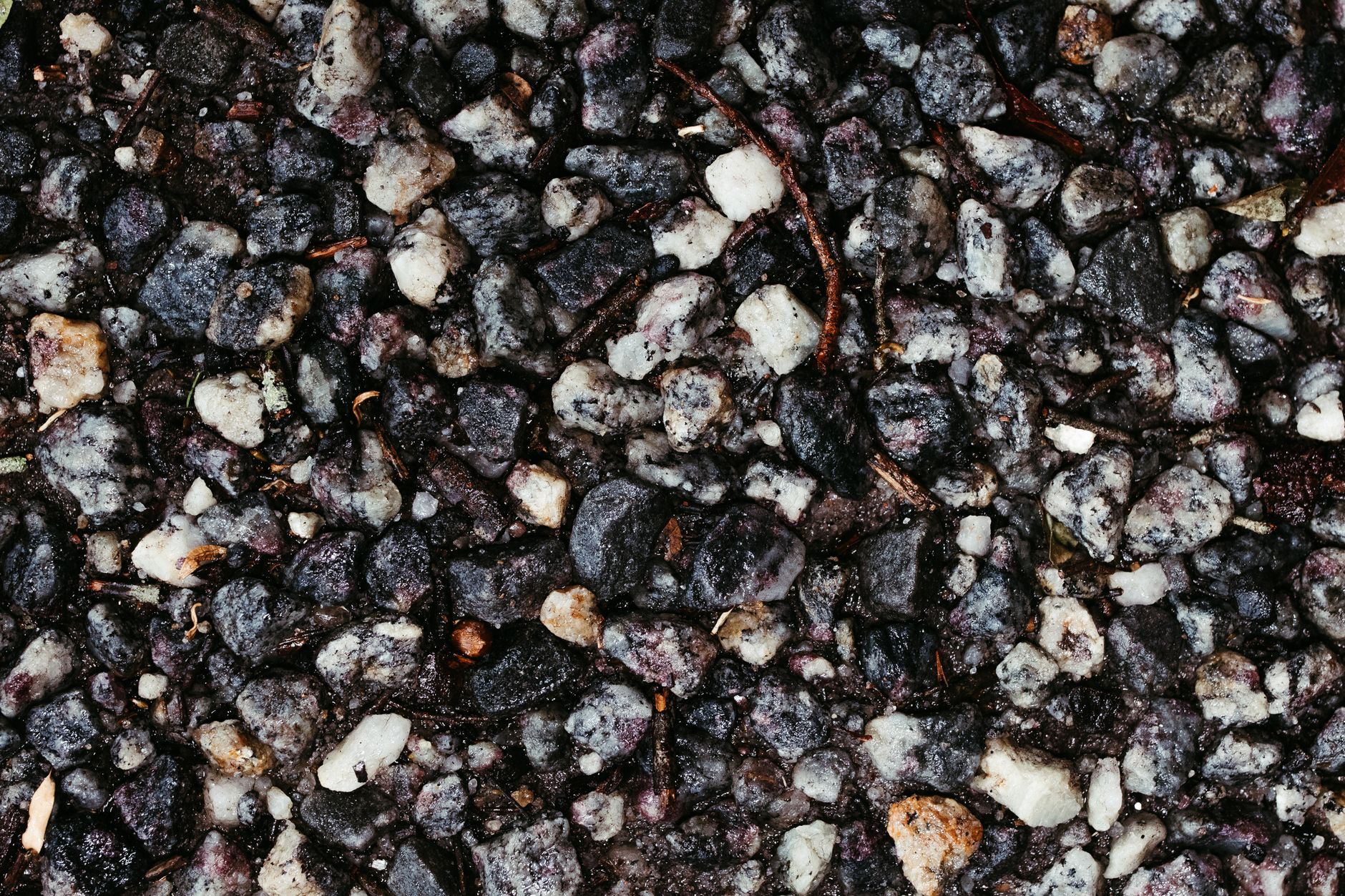
Stone has shaped outdoor environments for centuries, and its role in modern landscaping is anything but diminished. From compact urban courtyards to sprawling residential gardens, natural stone brings a structural permanence and visual depth that manufactured materials consistently fail to replicate.
Why Natural Stone Remains a Landscaping Staple
The appeal of natural stone is straightforward: it ages well, handles weather without complaint, and looks better over time rather than worse. Natural stone offers timeless beauty that outlasts design trends, with unique patterns, textures, and color variations that make every installation one of a kind. Unlike manufactured materials, it gains character as natural weathering works on its surface, adding depth and richness that most landscapes simply cannot fake.
That staying power shows up in the broader market. The natural landscape stone market was valued at USD 8.7 billion in 2024 and is projected to reach USD 14.2 billion by 2033, growing at a CAGR of 5.6%. That kind of consistent growth signals something beyond trend cycles. Homeowners and designers are choosing stone because it solves practical problems while delivering genuine aesthetic value.
The Range of Decorative Stone Options
Not all stone serves the same purpose, and understanding your options makes it easier to match material to application.
Flagstone and Slate
Flagstone is one of the best types of landscaping rocks for patios and walkways. It comes in a wide variety of colors, including blue, red, and beige, which gives plenty of room to customize a space. Flagstone is also a durable choice. Slate offers similar flat geometry with a cooler, more uniform tone, making it a natural fit for contemporary garden layouts.
Gravel and Decomposed Granite
Decomposed granite is a solid solution for building a walkway or driveway on a budget. It works as effective ground cover and mulch, and it handles drainage well. Pea gravel fills a similar role at a smaller scale, working well along borders and between stepping stones.
Smooth Pebbles and River Rock
Rounded, smooth stones occupy their own category entirely. Their soft edges and varied tones create an organic feel that angular cut stone cannot achieve. Products like decorative landscaping stone show how beach and river pebbles bring a distinctive coastal or Zen quality to garden beds, dry creek features, and container plantings.
The Case for Smooth River and Beach Pebbles
Smooth pebbles stand out among stone options for a few specific reasons. Their rounded profiles make them comfortable underfoot in barefoot zones around pools and outdoor showers. Pebbles work especially well in tranquil garden spaces and at the bottom of water features such as ponds. They also deter weeds and offer solid drainage and erosion control.
The color range in beach pebbles, from deep charcoal to pale cream, means they pair naturally with nearly any plant palette. A bed of dark Mexican beach pebbles around silver-leafed agave or pale ornamental grasses creates contrast that holds visual interest through every season.
Applications in Modern Landscaping
Stone features show up across nearly every zone of a well-designed outdoor space:
- Dry creek beds: A meandering dry creek bed filled with river rocks not only adds beauty but can also help manage water runoff.
- Garden borders: River rock, cobbles, or smaller boulders can neatly define garden beds, creating a clean edge between planting areas and lawns.
- Water features: Smooth river rock and cobbles are perfect for lining ponds, waterfalls, and dry creek beds, creating a natural, serene environment.
- Pathways: Gravel or stepping stones guide movement through a garden while adding texture to otherwise flat ground planes.
- Rock mulch: Replacing traditional mulch with a layer of decorative stone suppresses weeds, retains moisture, and adds visual appeal around trees, shrubs, or flower beds.
Combining Stone with Plants and Hardscapes
Stone works best when it is part of a larger composition rather than an isolated feature. Pairing rounded pebbles with low-growing ground covers softens hard edges and creates a layered look. Ornamental grasses planted in a gravel bed move with the wind while the stone beneath stays static. That contrast between motion and stillness is part of what makes the combination so effective.
Mixing rocks of various sizes with drought-tolerant plants like succulents, sedums, or ornamental grasses produces a low-maintenance, visually interesting landscape. The same principle applies when stone meets hardscape elements like timber edging or concrete pavers. A band of smooth pebbles between a concrete path and a planted border softens the transition and prevents the rigid line that can make a garden feel sterile.
Maintenance Advantages
One of the most practical arguments for natural stone is how little it demands after installation. It does not need frequent painting, sealing, or replacement, which cuts down on the use of potentially harmful chemicals and reduces ongoing resource consumption. That low-maintenance reality saves time and money while shrinking the environmental footprint of keeping a yard looking good.
Stone also contributes to water efficiency. Permeable stone pathways and patios allow rainwater to percolate into the soil, reducing runoff and supporting groundwater recharge. Stone mulch in garden beds helps retain soil moisture, cutting back on how often you need to water.
When upkeep is needed, it is straightforward: periodically rinsing stones with a garden hose removes accumulated dust, while raking or blowing away leaves and twigs prevents decomposition that would otherwise create a bed for weeds.
Designing for Long-Term Appeal
The most enduring outdoor spaces share one quality: they were designed with permanence in mind from the start. Choosing the right natural stone means balancing practical needs with aesthetic preferences.
Dense stones like granite and quartzite resist freeze-thaw damage, while lighter colors stay cooler in heat. Matching stone durability to usage means choosing slip-resistant textures for wet or high-traffic areas and selecting colors and patterns that complement your style, using subtle stones for large spaces and bold textures for focal points.
The Takeaway
Natural stone is not a shortcut or a trend. It is a material that rewards considered design choices and holds its value across decades. Whether the goal is a polished courtyard, a naturalistic garden, or a low-water front yard, stone gives designers and homeowners a reliable foundation to build from. Starting with one well-chosen feature, whether a pebble mulch bed, a flagstone path, or a dry creek, is often all it takes to see what the material can do for an entire space.