
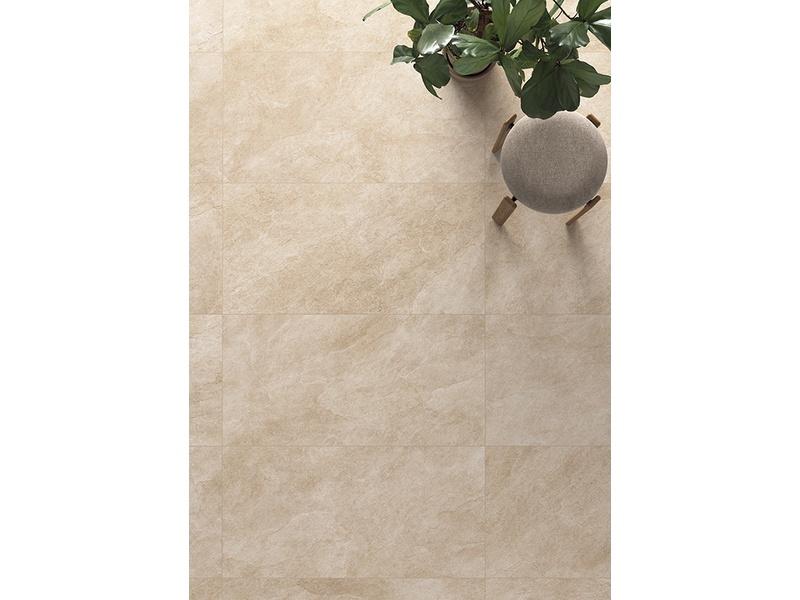
Porcelain paving for outdoor environments: design considerations and inspirations
Outdoor spaces have become increasingly important in contemporary architecture, serving as extensions of living, working, and recreational environments. The design of these areas involves more than selecting furniture or landscaping elements.
Paving plays a fundamental role in shaping how a space looks, feels, and functions. By influencing circulation, defining zones, and contributing to the overall aesthetic, porcelain floors can help create outdoor environments that are both practical and visually engaging.
Paving is often one of the largest visible elements within an outdoor environment, making it a key contributor to the overall composition of a space. It helps establish structure by defining pathways, gathering areas, and transitions between different zones.
At the same time, paving contributes to the visual identity of a project. The choice of materials, colors, and layouts, including the selection of outdoor tiles, can reinforce architectural styles and create stronger connections between buildings and their surroundings. Whether the goal is to achieve a contemporary, minimalist atmosphere or a more natural and welcoming character, paving influences how the entire outdoor environment is perceived.
Selecting the right format, color, and texture
The visual impact of porcelain paving depends largely on the combination of format, color, and texture. Each of these elements influences the perception of space and contributes to the desired design outcome.
Large-format surfaces are often used to create a clean and contemporary appearance, helping outdoor areas feel more open and visually continuous. Smaller formats can introduce rhythm and detail, adding character to specific zones.
Color selection also plays an important role. Lighter tones can enhance brightness and create an airy atmosphere, while darker shades often bring depth and sophistication. Texture further enriches the design by introducing visual variety and helping establish a stronger connection with surrounding materials and landscape features.
Designing for different outdoor settings
Every outdoor space has unique requirements, and paving choices should reflect the intended use of the environment. Residential terraces often prioritize comfort and visual continuity with interior spaces, creating settings that encourage relaxation and social interaction.
Courtyards and gardens may require a stronger dialogue between built surfaces and natural elements, ensuring that paving complements rather than dominates the landscape. Rooftop spaces frequently embrace contemporary aesthetics, using carefully selected materials to reinforce clean architectural lines and urban views.
Commercial and public outdoor environments present another set of considerations. In these contexts, paving often contributes to wayfinding, spatial organization, and the creation of welcoming communal areas that encourage people to gather and interact.
Finding inspiration through contemporary design trends
Contemporary outdoor design offers a wide range of creative possibilities. Minimalist aesthetics remain popular for their ability to create calm and uncluttered environments, often relying on simple layouts and restrained color palettes.
At the same time, natural-inspired surfaces continue to influence outdoor design, reflecting a growing appreciation for materials and finishes that visually connect architecture with the surrounding landscape.
While trends can provide valuable inspiration, the most successful projects often focus on creating timeless environments that remain appealing beyond changing fashions.
Bringing vision and functionality together
Successful outdoor design is the result of careful planning, creative vision, and thoughtful material selection. Porcelain paving contributes to this process by helping define spaces, establish visual harmony, and support a wide variety of architectural styles.
By considering factors such as format, color, texture, and intended use, designers can create outdoor environments that feel cohesive, welcoming, and inspiring. When aesthetics and functionality work together, paving becomes much more than a surface – it becomes an essential element of the overall design experience.
Ceramiche Keope: shaping contemporary environments through porcelain innovation
Successful outdoor design requires materials that can combine aesthetic versatility with reliable long-term performance. Since 1995, Ceramiche Keope has pursued this balance through a continuous commitment to research, technological development, and Italian manufacturing excellence.
As part of the Concorde Group, the company has established itself as an internationally recognized name in porcelain stoneware, offering solutions that respond to the evolving needs of contemporary architecture and design.
Rather than viewing surfaces as isolated elements, Ceramiche Keope approaches them as integral components of a broader design vision. This perspective has led to the development of a comprehensive range of porcelain solutions capable of supporting projects across residential, commercial, and public environments.
Thanks to the availability of coordinated formats, finishes, and thicknesses, architects and designers can create visually coherent spaces that extend seamlessly between indoor and outdoor areas.
This design flexibility is particularly valuable when planning outdoor paving. Every exterior environment presents unique challenges and opportunities, requiring surfaces that can adapt to different spatial contexts while maintaining a consistent aesthetic language. Outdoor porcelain tiles offer an effective response through their combination of durability, low water absorption, color stability, and resistance to weather exposure.
Equally important is the broad range of visual possibilities available. Inspired by materials such as stone, wood, concrete, and resin, porcelain stoneware allows designers to explore different architectural expressions while maintaining the technical advantages required for outdoor applications.
Environmental responsibility remains a key pillar of Ceramiche Keope’s production philosophy. The company operates with a resource-conscious manufacturing model that includes the complete recovery of process water and the full recycling of fired ceramic waste.
Approximately 75% of production energy is generated internally, while the remaining share comes exclusively from certified renewable sources. This commitment is reinforced by internationally recognized certifications such as ISO 17889, WELL Building Standard V2, and Declare, which highlight a comprehensive approach to sustainability, transparency, and responsible construction practices.