
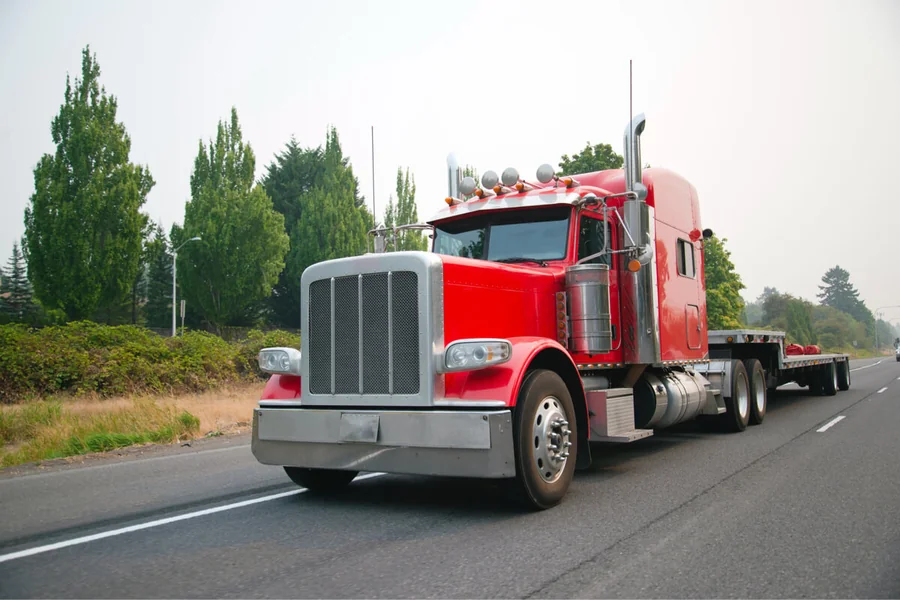

Most used-truck advice is written for someone commuting on a freeway. If your daily reality involves gravel county roads, muddy fields, and distances between the gas station and your front gate that make city people nervous, that advice will get you burned. Rural driving is a different kind of hard on a vehicle, and the things that matter when you’re shopping are not always the things that show up on a window sticker.
This guide cuts straight to what rural drivers actually need to check, why a few simple questions at the lot save thousands in repairs, and how to match the truck to the work you’re really asking it to do.
Rural Roads Do Something Different to a Truck
Gravel chews through underbody coatings. Washboard surfaces loosen every bushing and ball joint faster than pavement ever could. Dust infiltrates seals. And the mileage on a rural rig often understates the true wear, because a mile of dirt road at 35 mph beats on a suspension harder than three miles of interstate at 65.
Here’s a number that puts this in context. According to the 2025 Rural Transit Fact Book published by the Upper Great Plains Transportation Institute, 72% of rural households own two or more vehicles, compared to just 55% of urban households. That’s not a lifestyle choice, it’s a survival strategy. In places where transit doesn’t exist and distances are real, a truck that breaks down doesn’t just inconvenience you, it can strand you.
So when you’re shopping used, the stakes are genuinely higher than they are for a city buyer.
The ROAD Test: A Four-Point Pre-Purchase Framework
Before you fall for a clean exterior, run every candidate through what I call the ROAD check: Rust, Oil, Axles, Documentation. It takes about 20 minutes and it’s caught more hidden problems than any CarFax report I’ve ever read.
1.Rust: Get under the frame. Not the rocker panels, the frame rails themselves. Surface rust on sheet metal is cosmetic. Rust pitting on a frame crossmember or at the leaf spring perches is structural and can be a deal-breaker on a working truck.
2. Oil: Pull the dipstick and look at the color. Burnt black with a metallic shimmer means neglect. Check the oil cap for a white, milky residue, which signals coolant mixing into the oil, a bad sign. Then let the engine idle for five minutes and look under the truck for drips.
3. Axles: For 4WD trucks, engage four-wheel drive in the lot and drive a slow circle. Listen for clicking or grinding from the front axles. If the transfer case hesitates or grinds when shifting, budget for a repair before you budget for anything else on that vehicle.
4. Documentation: Oil change records matter more than anything else in a rural used truck. A truck serviced every 5,000 miles with records will outlast a lower-mileage truck with no paper trail almost every single time.
Run that framework on every truck you test drive, without exception. The discipline pays.
Which Specs Actually Matter for Country Roads
Towing capacity and horsepower are the numbers everyone quotes. They’re mostly irrelevant for the decision you’re making. Here’s what to focus on instead.
Ground clearance. For unpaved roads and field access, you want at least 8.5 inches of clearance. Anything below that and you’re fighting every rut and berm. Full-size half-tons generally clear this; mid-size trucks vary considerably by trim.
Payload rating, not just tow rating. If you’re hauling feed, gravel, firewood, or equipment in the bed, the payload rating is the number that limits you. Many buyers ignore it and then wonder why their truck sits low in the back after two years of real use.
Rear axle ratio. A 3.73 or higher axle ratio delivers better low-end torque for pulling out of soft ground. A 3.08 might save a little fuel on the highway but it’ll feel sluggish when traction gets ugly. Check the door jam sticker or ask the dealer to pull the build sheet.
Tire condition and age. Tires on rural trucks age out before they wear out. Look at the DOT date code on the sidewall. Anything over six years old should factor into your offer price, because you’re replacing those tires regardless of how much tread remains.
Pricing Reality: What You’re Actually Paying For
Used truck prices climbed hard after 2020 and they haven’t fully come back down. The U.S. Bureau of Labor Statistics tracks used cars and trucks as a dedicated component of the Consumer Price Index, measuring vehicles between two and seven years of age, which is exactly the sweet spot for a rural buyer who wants recent reliability without new-truck depreciation risk.
The practical implication: a well-maintained four-year-old half-ton from a local dealer is almost always a better value than the same mileage from a private party with no accountability. Local dealers selling into the communities they operate in have a reputational stake in what they put on the lot. That matters, especially in smaller markets where everyone knows everyone.
If you’re in north-central Iowa, for example, checking the inventory at a pre-owned car dealership in Hampton, IA gives you access to regional inventory that tends to skew toward trucks and work vehicles because that’s what the local population actually drives. You’re not wading through sedans to find the handful of pickups buried in the back row.
A Practical Inspection Checklist Before You Sign
Print this or screenshot it and bring it to the lot.
| Inspection Item | What to Look For | Red Flag
|
|---|---|---|
| Frame rails | Surface condition under the cab | Pitting, cracks, or flex welds |
| Leaf springs / shocks | Sag, cracks, leaking shocks | Uneven ride height side to side |
| 4WD engagement | Smooth shift into 4H and 4L | Grinding, delay, or no engagement |
| Undercarriage rust | Frame, crossmembers, brake lines | Flaking or structural loss on brake lines |
| Fluid condition | Oil, coolant, brake fluid color | Black oil, brown coolant, milky residue |
| Tire date codes | DOT code on sidewall | Any tire older than 6 years |
| Service records | Oil changes, major services | Gaps of more than 8,000 miles |
One More Thing the Mileage Won’t Tell You
A truck with 80,000 mostly highway miles is mechanically younger than a truck with 60,000 miles split between dirt roads, towing, and cold starts. The odometer is just one data point. The way those miles were accumulated tells the real story.
“The vehicle fleet continues to demonstrate impressive resilience even as it faces stress from high new and used prices and economic uncertainty,” said Todd Campau, Aftermarket Practice Lead at S&P Global Mobility, in a 2025 analysis of U.S. fleet aging trends.
That resilience is real, but it’s not automatic. A truck that’s been maintained holds together under rural stress. One that hasn’t falls apart faster out here than it ever would in a suburb. Buy the history, not just the truck.
Go slow, run the ROAD check, ask for records, and don’t let a clean paint job close the deal for you. The right used truck for rural roads is out there. You just have to know how to find it.