
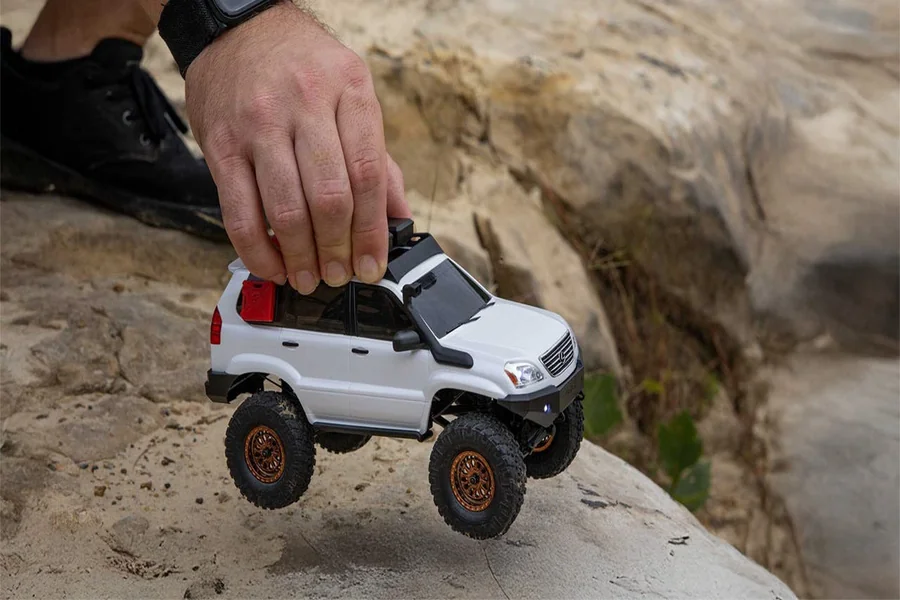

Getting your first remote-controlled (RC) car is an exciting experience, but the sheer number of options, parts, and accessories can be overwhelming. From understanding the types of RC cars to keeping your new hobby running smoothly, preparation is key. To help you hit the ground running, here’s a comprehensive beginner’s checklist for first-time RC car owners.
Choosing the Right RC Car
The first step in your RC journey is selecting the car that suits your interests, budget, and experience level. RC cars generally fall into two main categories: electric and nitro/gas-powered.
- Electric RC cars are ideal for beginners. They are quieter, easier to maintain, and have fewer components that require tuning. Modern lithium polymer (LiPo) batteries also offer impressive run times and speed.
- Nitro or gas-powered cars mimic real-life engines and offer more power and realism. However, they require more maintenance and a basic understanding of engine tuning.
Consider where you’ll be driving your car. If it’s mostly indoors or on smooth surfaces, a smaller electric car may be perfect. For off-road adventures, look for durable, all-terrain models with strong suspension and higher ground clearance. Visiting a local RC store can also help you compare models in person and get advice from experienced hobbyists.
Understanding the Essential Parts
Before you even take your car out for its first spin, familiarize yourself with the main components:
- Transmitter and Receiver: This is the remote control and the corresponding receiver in the car. Make sure the batteries in your transmitter are fully charged or fresh.
- Chassis: The main frame of the car, which holds all components together.
- Motor: Electric cars have brushed or brushless motors. Brushless motors are faster and more durable but cost more.
- Battery: Check whether your car comes with a battery and charger. Most beginners start with rechargeable NiMH or LiPo batteries.
- Wheels and Tires: Off-road tires are larger with deep treads, while on-road tires are smoother for pavement or tracks.
Having a basic understanding of these parts will help you troubleshoot problems and make future upgrades.
Safety Gear and Maintenance Tools
Even though RC cars are smaller than real vehicles, safety and maintenance are still important. For beginners, consider:
- Safety glasses: Protect your eyes from flying debris, especially during off-road runs.
- Gloves: Useful when handling hot motors or adjusting small screws.
- Basic tools: Screwdrivers, hex wrenches, pliers, and a hobby knife are essential for assembly and maintenance.
- Cleaning supplies: A small brush or compressed air can keep dirt and dust out of the gears and motor.
Learning the Controls
Before pushing your car to its limits, spend time understanding how it responds to the controller. Many beginners find it helpful to practice in an open area without obstacles. Focus on:
- Smooth acceleration and braking
- Turning control
- Speed adjustments (if your transmitter allows)
Patience is key here. Even a small crash can damage your car if you’re going too fast or not familiar with its handling.
Charging and Battery Management
Battery management is crucial, especially if you’re using LiPo batteries. Improper charging can reduce battery life or even be hazardous. Keep these tips in mind:
- Always use the charger that comes with your battery.
- Charge batteries on a non-flammable surface and away from flammable materials.
- Don’t overcharge or completely drain your battery. Most modern batteries have built-in safeguards, but monitoring is still wise.
- Store batteries at room temperature when not in use.
Setting a Maintenance Routine
Even a beginner RC car benefits from routine maintenance. After every session:
- Check for loose screws or broken parts.
- Clean the chassis, wheels, and motor.
- Inspect gears and suspension for wear.
- Lubricate moving parts as recommended in the manual.
Regular care extends your car’s life and keeps it performing optimally.
Joining the RC Community
One of the most rewarding aspects of owning an RC car is connecting with others who share your hobby. Consider:
- Visiting local RC clubs or tracks
- Joining online forums or social media groups
- Watching tutorial videos for tips and tricks
The community can provide invaluable advice, especially when troubleshooting or upgrading your car.
Final Thoughts
Starting your RC car journey can be thrilling, but preparation is key. By choosing the right car, understanding its components, practicing safety, managing your batteries, and maintaining your vehicle, you set yourself up for hours of enjoyment. Following this beginner’s checklist ensures that your first experience with an RC car is fun, educational, and frustration-free. Remember, patience and practice are your best friends in this hobby—soon enough, you’ll be racing like a pro.