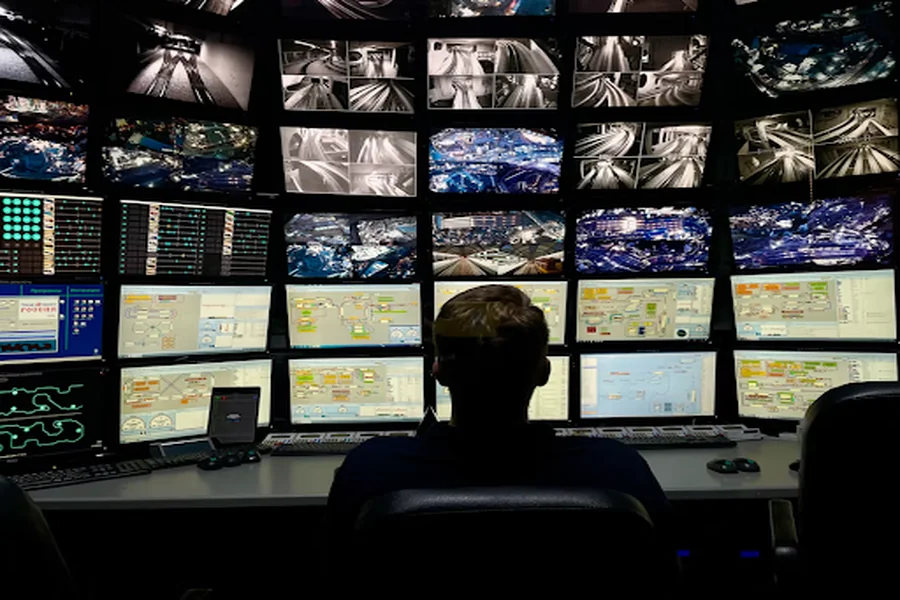
Facility cameras can provide useful operational insight long before anyone needs to review an incident. The same feeds that help teams monitor entrances and restricted areas may also reveal blocked walkways, recurring equipment delays and inefficient traffic patterns. Used carefully, this information can support safer routines and better use of staff time.
The key is to set clear goals, respect privacy and turn visible patterns into practical changes.
Rethink the Role of Everyday Security
Start by listing the operational questions your team struggles to answer. You might want to know why deliveries back up at 9 a.m., how long a loading area stays occupied or which hallway becomes congested during shift changes. These questions give camera analysis a defined purpose and prevent unfocused monitoring.
Privacy limits should be established at the same time. Public debate over automated camera systems has raised serious civil liberties concerns, especially when systems collect identifiable information without clear controls. Document who can access footage, how long data remains available and which business need supports each use.
Extract Daily Data from Existing Feeds
Review existing feeds for repeatable events that software can count or categorize. Useful measures include queue length, doorway traffic, vehicle dwell time and the frequency of obstructions in marked areas. A distribution center, for example, may discover that one loading bay sits unused while another develops a 20-minute queue every afternoon.
Begin with one measurable problem and collect a baseline for two to four weeks. Compare days, shifts and locations while accounting for scheduled deliveries or staffing changes. Present the findings as totals and trends where possible. Aggregated reporting gives managers useful evidence while reducing unnecessary focus on individual employees, visitors or customers.
Identify Facility Flaws in Real Time
Real-time alerts can help teams address a physical problem before it disrupts an entire shift. A camera system might flag a box left in an emergency route, a growing checkout line or repeated movement through an area undergoing maintenance. The responsible team can then inspect the location and correct the issue.
Set thresholds carefully so normal activity doesn’t trigger constant notifications. If a corridor usually handles 30 people in five minutes, an alert at 31 offers little value. Test a higher threshold, track false alerts and adjust it using actual facility patterns. Teams should alsi understand what a system collects before activating automated features.
Protect Assets While Boosting Output
Operational analysis works best when safety and productivity support each other. Consider a warehouse where employees regularly pause because carts block access to a packing station. The blockage creates a trip risk and reduces the number of orders processed each hour. Tracking when and where it occurs can support a layout change that addresses both problems.
Connect alerts to an owner and a response procedure. Facilities staff may handle blocked exits while operations supervisors review queue patterns. Measure results after each change using a concrete indicator such as average wait time, downtime minutes or incidents per shift. This turns camera data into a management tool instead of another stream of notifications.
Choose Software That Scales Cleanly
Select software based on the problems you need to solve over the next few years. Look for compatibility with existing cameras, role-based access controls, configurable retention periods and reporting tools that nontechnical managers can understand. If several facilities will use the system, confirm that administrators can apply shared policies while allowing each site to set relevant alert thresholds.
Resources covering intelligent video analytics can help operations and security managers assess uses such as automated equipment monitoring, resource planning and workplace safety. Before expanding, test the software in one defined area for 30 days. A successful pilot should produce fewer false alerts, faster responses and at least one measurable operational improvement.
The most useful camera program ends with a documented change on the facility floor. A relocated staging area, revised delivery window or faster maintenance response provides clearer value than a dashboard full of unused statistics.