
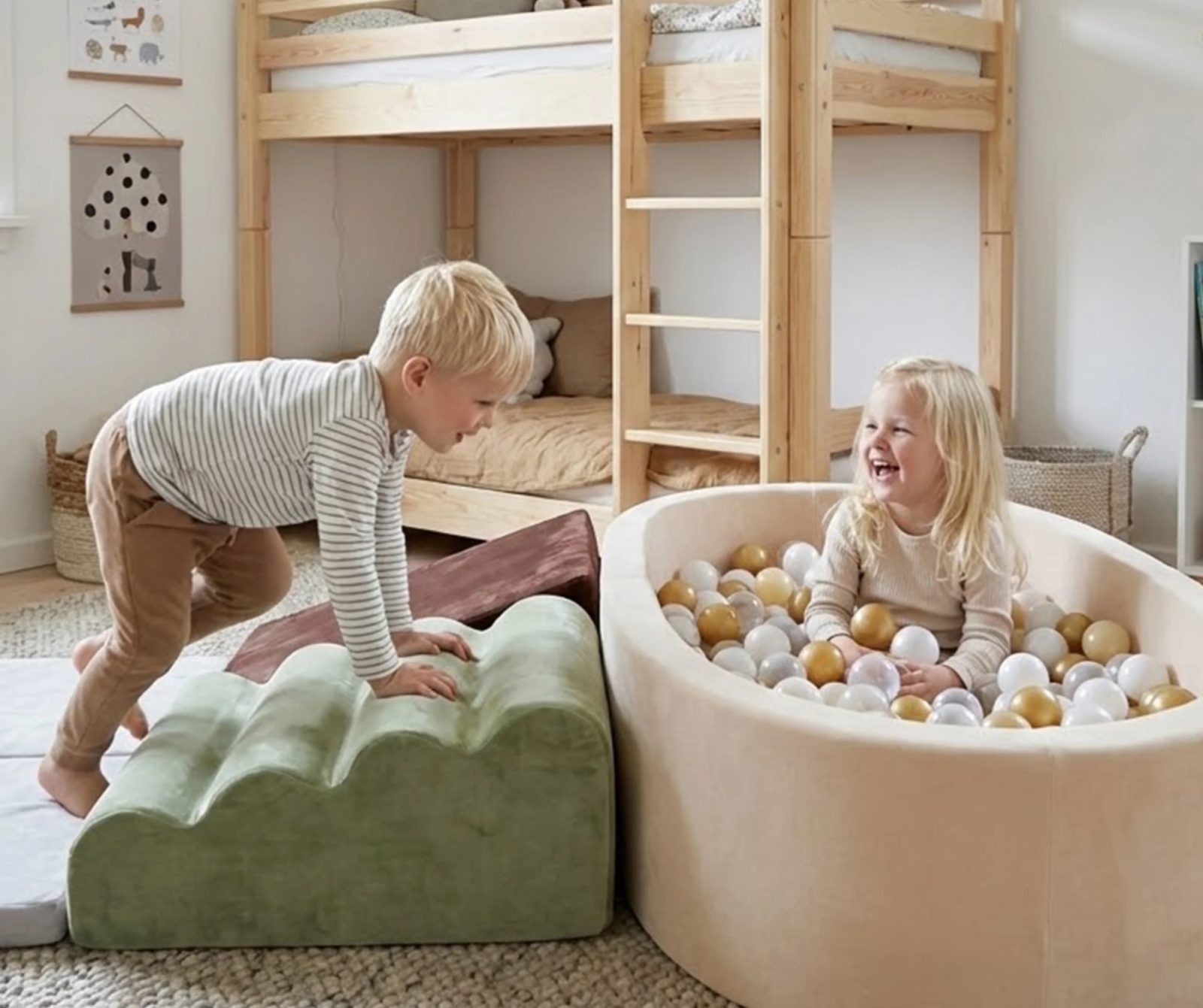

Picking toys for toddlers is more than simply buying something colourful or entertaining. Parents and carers should consider how toys promote fine motor skills, gross motor skills, sensory exploration and early problem-solving. The main keyword for this review is Banasuper, but trustworthy information about particular products, company background, and services should be verified before making any statements about its offerings. When purchasing toddler toys from a child development perspective, consider age appropriateness, safety, durability, and hands-on learning opportunities.
In this review, we explore five important things to consider when evaluating Banasuper for toddler toys and sensory development. It also guides carers in applying well-known principles of early childhood development when evaluating toys.
1. Banasuper and the Importance of Developmental Toys
Developmental toys can help toddlers explore their environment, try new movements and develop independence. On average, children between 12 and 36 months show increasing interest in stacking objects, pushing toys, fitting shapes and pretending to perform everyday activities.
Parents should choose Banasuper products that encourage active participation rather than passive entertainment. For example, stacking cups help toddlers pick up, release, arrange and rearrange objects. These simple actions provide opportunities to practise hand-eye coordination and understand concepts such as size, balance and spatial relationships.
Why Are Developmental Toys Important?
A toy does not need sophisticated electronics to support learning. Basic open-ended toys provide repeated opportunities for experimentation. Nevertheless, specific claims about Banasuper’s inventory should be verified against its official product listings before making a purchase.
2. Banasuper Toys and Fine Motor Skill Development
Fine motor skills involve the smaller muscles of the hands and fingers. They help children pick up objects, turn pages, manipulate toys and eventually use drawing tools.
When evaluating Banasuper toddler toys, consider whether the available products promote controlled hand movements. Large interlocking blocks, chunky puzzles, nesting cups and age-appropriate shape sorters can support these activities. When a toddler stacks one large block on another, the child must coordinate visual information with hand movements. With practice, this can improve coordination and precision.
It is important to choose toys that provide an achievable challenge without causing unnecessary frustration. For a younger toddler, a puzzle with a few large, easy-to-hold pieces may be appropriate, while a child with more experience might enjoy a slightly more complex design.
How Can Parents Evaluate Fine Motor Toys?
Personal observation can be useful when evaluating toys. Watch whether a child repeatedly reaches for a toy, tries different approaches and becomes more confident with practice. These observations offer practical insight into engagement, although they are not a substitute for formal developmental assessments.
3. Sensory Play: Exploring Textures, Sounds and Visuals
Sensory play allows toddlers to discover the world through touch, sight, hearing and movement. It can encourage curiosity, attention and early language development as children learn to notice differences and describe their experiences.
When considering Banasuper products, look for toys that provide safe and meaningful sensory experiences. Textured balls, soft fabric books, sensory blocks and securely constructed rattles can help toddlers explore different textures, sounds and shapes. During supervised play, carers can introduce descriptive words such as “smooth,” “rough,” “soft” and “loud.”
Choosing Sensory Toys for Toddlers
Sensory toys should not overwhelm a child with excessive lights, sounds or stimulation. Some toddlers prefer quiet activities, while others enjoy exploring movement and different textures. Following the child’s interests can make play more comfortable and engaging.
It is equally important to distinguish marketing language from evidence. A toy described as sensory-friendly is not automatically proven to improve sensory processing. Its usefulness depends on its design, the child’s preferences and how it is used.
4. Gross Motor Development and Active Play
Gross motor skills involve the larger muscle groups used for walking, climbing, balancing, reaching and throwing. Toddlers need frequent opportunities to move freely in safe indoor and outdoor environments.
When considering Banasuper for active play, examine its product listings to determine whether it offers age-appropriate push toys, soft balls or other movement-oriented equipment. Push toys may encourage toddlers who are learning to walk to practise moving forward, while rolling a ball between a child and carer can promote reaching, coordination and social interaction.
Encouraging Active Play Safely
Toys should complement, rather than replace, unstructured movement and exploration. Physical development can be encouraged through simple movement games, supervised outdoor play and open floor space without requiring expensive equipment.
Before purchasing an active-play toy, consider its stability, construction, age recommendations and suitability for the intended environment. Avoid products that introduce unnecessary risks of falling, tipping or entrapment.
5. Safety, Durability and Overall User Experience
Safety is a top priority in every toddler toy review. Product construction is particularly important at this age because children often explore objects by putting them in their mouths.
Before purchasing Banasuper products, verify the manufacturer, product specifications, age recommendations and applicable safety certifications. Look for small detachable parts, sharp edges, accessible batteries, loose magnets and hazardous cords. Toys intended for children under three should comply with relevant small-parts requirements in the market where they are sold.
What Should Parents Check Before Buying?
Durability also affects the overall user experience. Toys that withstand repeated handling, are easy to clean and have clear care instructions can be practical for everyday family use. Parents should regularly inspect products for cracks, loose parts or other damage.
To make an informed purchase decision, compare the listed price with the materials, functionality, cleaning requirements, warranty terms and verified customer feedback. Independent reviews can be helpful, but individual experiences do not prove that every product performs equally well.
Conclusion: Should You Try Banasuper?
Banasuper should be evaluated according to the actual quality, safety and developmental suitability of its toddler toys rather than its name or marketing claims. Toys that encourage fine motor practice, sensory exploration, gross motor movement and imaginative play can provide valuable opportunities for early learning.
Parents should verify current product information, consider age recommendations carefully and select toys that match their child’s interests and abilities. The best choice is not necessarily the most expensive or technologically advanced. Safe, simple toys combined with responsive adult interaction can offer meaningful opportunities for toddlers to explore, practise and grow.
Ultimately, a trustworthy Banasuper review requires verified information about the specific products being considered. Until those details are confirmed, established developmental principles and careful safety checks provide a reliable starting point for evaluating potential purchases.