
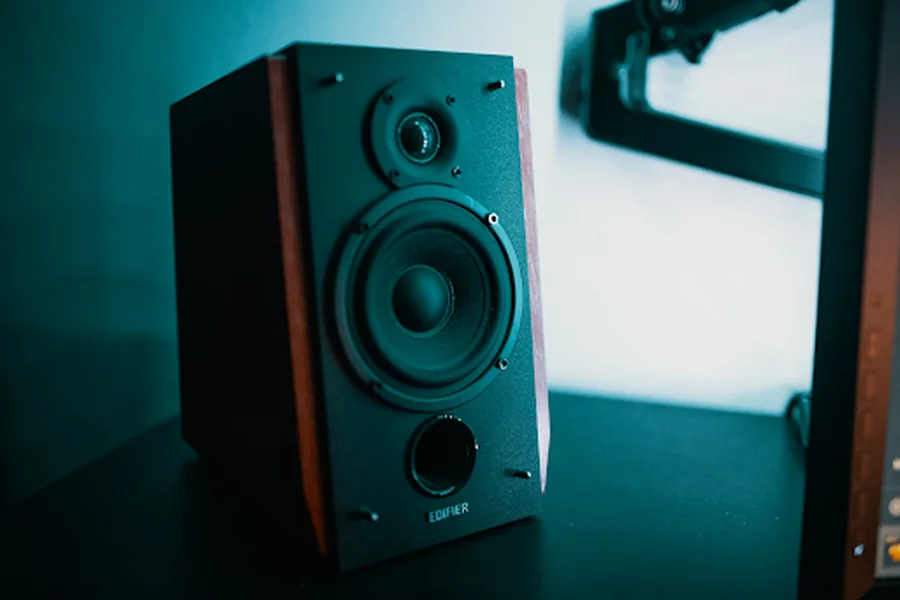

A well-designed loudspeaker plays a central role in delivering quality sound. It faithfully reproduces a wide range of frequencies and offers clarity and depth, allowing listeners to enjoy music, dialogue, and sound effects with precision. The right loudspeaker enhances overall audio satisfaction, while a poor choice can reduce the impact of even the highest-quality recordings.
Understanding the Basics
A loudspeaker is a device that converts electrical signals into sound waves. Key components include a diaphragm, a voice coil, and a magnet. These elements work together to translate electronic audio signals into vibrations, creating sounds that are audible to listeners.
Drivers are a primary component that convert electrical energy into mechanical motion, while diaphragms amplify these vibrations. The enclosure of the speaker influences how sound waves interact with the surrounding space, contributing to clarity, resonance, and bass response. Each component has a direct impact on the listening experience.
Exploring Different Types of Loudspeakers
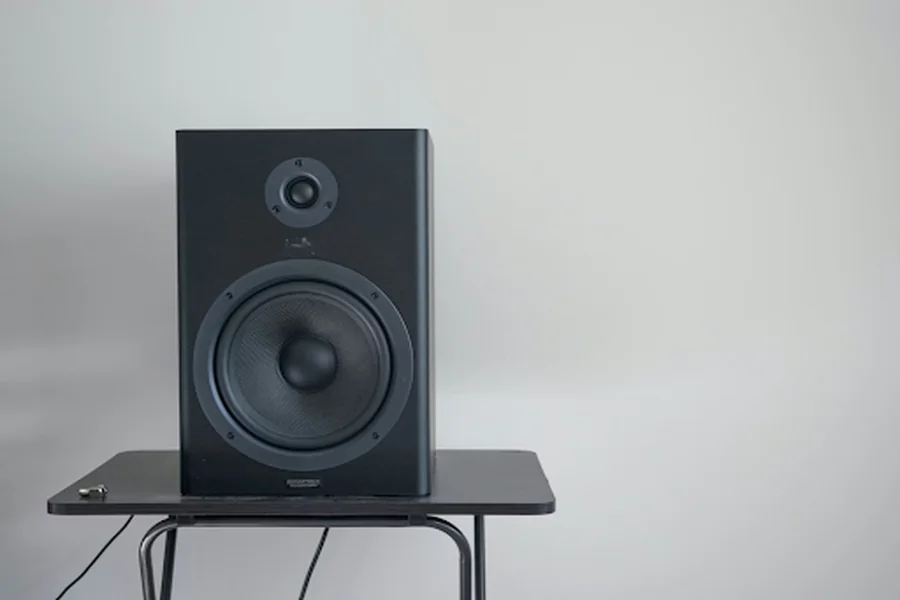
Loudspeakers vary widely in design and functionality. Common categories include bookshelf speakers, floor-standing models, portable units, and soundbars. Each type offers specific advantages in terms of audio performance, portability, and suitability for different spaces. Understanding these differences allows buyers to align their choice with intended use, whether for home entertainment, professional recording, or casual listening.
Key Factors When Choosing a Loudspeaker
Size and Space Requirements
Room dimensions affect how sound travels. Selecting a speaker that matches the available space prevents overwhelming or underwhelming audio output. Larger speakers generally provide richer sound, but they require sufficient room to deliver their full potential. Considering placement, furniture layout, and acoustic properties helps achieve optimal performance.
Power and Impedance
Power measures the rate at which a speaker converts electrical energy into sound, while impedance indicates the electrical resistance within the circuit. Correct matching between amplifier and speaker ensures balanced output, reducing the risk of distortion or damage.
Audio Clarity
Sound clarity encompasses frequency response, dynamic range, and distortion levels. High-quality speakers reproduce both subtle details and robust tones, maintaining balance across highs, mids, and lows. Careful evaluation of these qualities allows listeners to enjoy a more engaging audio experience.
Budget Considerations
Price often reflects build quality, components, and brand reputation. Evaluating options within a financial plan helps individuals select speakers that meet performance expectations without overspending. Balancing cost and quality allows for a well-informed purchase that provides long-term satisfaction.
Aesthetics and Design
Visual appearance matters, particularly when speakers are placed in living spaces. Design should complement interior elements while remaining functional. A harmonious design contributes to the overall environment, creating a cohesive space where audio and aesthetics coexist.
Steps to Select the Right Loudspeaker
Understanding personal audio requirements is the first step. Consider the environment, types of content, and listening habits. A speaker for cinematic use differs from one intended for music production or casual background audio.
Next, match the speaker type with intended use. Evaluate models based on sound reproduction, size, and functionality. Correct alignment between purpose and design ensures a rewarding experience.
Room size and layout should influence the choice of speaker dimensions. Space affects sound projection and resonance, making careful measurement and positioning essential for optimal results.
Budget constraints guide the selection of models without compromising quality. Selecting speakers that fit within a financial plan allows for effective allocation of resources, balancing cost and performance.
Finally, consider visual integration. A speaker that aligns with room aesthetics contributes to a unified and pleasing environment, complementing the auditory experience.
Testing Loudspeakers Before Purchase
Effective testing involves using diverse audio sources to evaluate performance. Listening in various settings, such as different rooms or seating positions, provides insight into consistency and adaptability. Testing with well-recorded tracks helps assess tonal balance, clarity, and bass response.
Suitable locations for evaluation include dedicated audio stores, showrooms, home theatre setups, and music studios. These environments offer controlled conditions to judge performance accurately.
While testing, attention should be given to tonal accuracy, response consistency, and the speaker’s ability to reproduce complex audio passages. Identifying these characteristics ensures the speaker meets expectations in real-world listening conditions.
Final Thoughts
Selecting a loudspeaker requires careful attention to technical specifications, space, budget, and visual harmony. Understanding these factors allows individuals to make informed decisions that result in a satisfying audio experience. A thoughtful choice transforms ordinary listening into a precise and enjoyable sound journey, offering years of quality entertainment.