
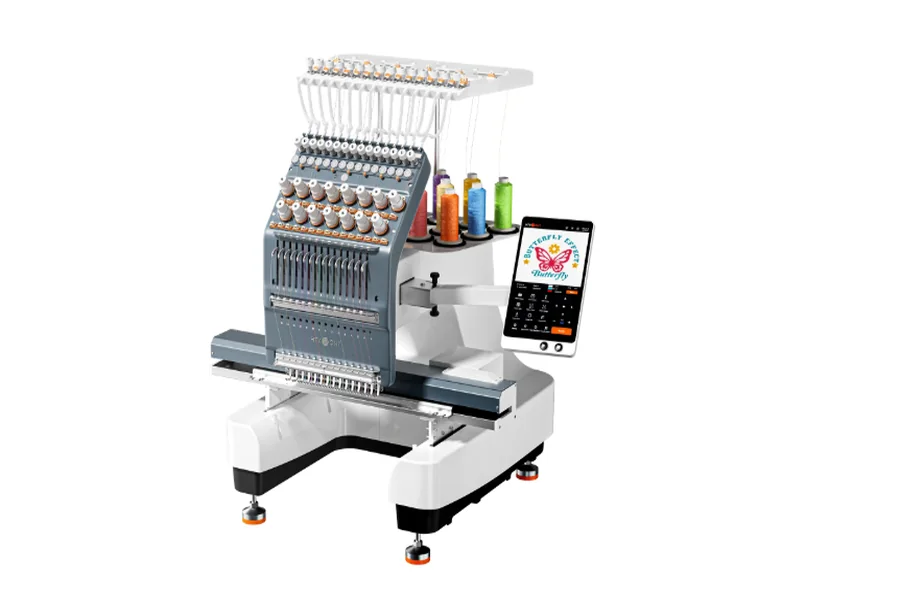

Custom shirts can be more than just clothing. They can represent a business, celebrate a special event, or serve as a thoughtful gift. By using an embroidery machine, T-shirt heat press, and sublimation paper, creators can explore various decoration techniques and develop products for a broader customer base.
Each tool serves a specific purpose, so understanding how they work together can help you select the most appropriate method for each design.
1. Why Combine Different Shirt Decoration Methods?
Not every customer has the same preferences when it comes to shirt styles. Some may prefer a small stitched logo, while others want colorful artwork, names, or detailed graphics.
Using different decoration methods gives a small apparel business more versatility. Instead of relying on one technique for every order, you can select the method that best suits the design, fabric, and customer’s expectations.
It’s important to understand that embroidery and heat-applied transfers produce different finishes. While they can complement each other, they don’t have to be used on every shirt.
2. What an Embroidery Machine Adds to Apparel
An embroidery machine uses thread to create designs directly on suitable fabric. It works especially well for company logos, initials, team names, and simple decorative patterns.
Stitched designs provide a textured finish that can make uniforms, polo shirts, caps, and workwear stand out. For instance, a business might request its logo on staff shirts to maintain a consistent appearance.
Before starting, choose the right thread, stabilizer, and fabric settings for the project. Small lettering or detailed artwork may require adjustments to ensure the final design remains clear and sharp.
3. Using a T-Shirt Heat Press for Creative Designs
A T shirt heat press applies controlled heat and pressure to transfer compatible designs onto garments. Depending on the transfer material, it can be used for names, numbers, illustrations, and promotional graphics.
This method can be helpful when customers want colorful designs or when you need to produce personalized shirts for birthdays, sports teams, school events, or small businesses.
The correct settings depend on the transfer material and the garment. Always follow the manufacturer’s instructions for temperature, pressing time, pressure, and any required peeling method.
4. Where Sublimation Paper Fits Into the Process
Sublimation paper carries sublimation ink before the design is transferred using heat. During the process, the ink moves into a suitable surface rather than simply sitting on top of it.
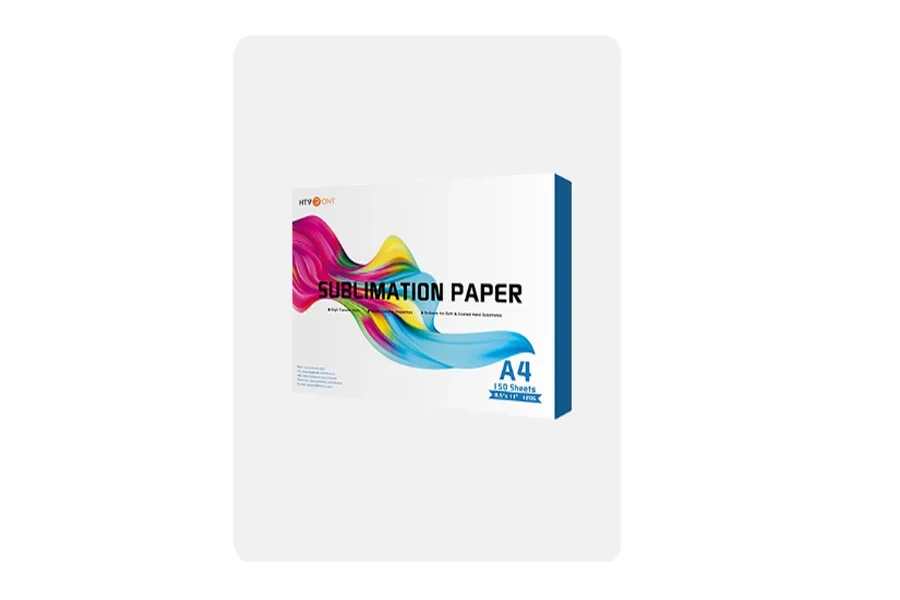
This technique is commonly used for polyester garments and specially coated products. It is not suitable for ordinary cotton shirts in the same way as many heat-transfer vinyl products, so fabric selection is important.
A compatible T-shirt heat press can apply the sublimation transfer when used with the right ink, paper, and settings. It’s a good idea to test the complete setup before producing a large order to avoid disappointing results.
5. Match the Decoration Method to the Design
Choosing the right technique starts with the desired outcome. Embroidery is a strong option for stitched logos and textured lettering, while heat-applied transfers are useful for graphics that require different colors or shapes.
Sublimation is especially useful for suitable polyester garments and coated surfaces where a vibrant, integrated finish is desired.
You can also use multiple methods on a single garment when the materials and design allow. For example, a shirt might feature an embroidered chest logo and a separate heat-applied graphic. Plan the placement carefully so the finished design looks balanced and each method remains suitable for the garment.
6. Plan a Smooth Custom Shirt Workflow
A little planning can help manage custom orders more effectively. First, identify the shirt fabric, design size, color choices, and order quantity to select the right decoration method and supplies.
Prepare the artwork before stitching or printing, and ensure the garment is suitable for the chosen process. For heat-applied designs, confirm the recommended settings and follow the transfer supplier’s instructions to protect the garment.
For larger orders, it is advisable to create a sample first. This helps you evaluate the placement, colors, stitching, and transfer quality before proceeding with the rest of the shirts.
7. Choose Equipment That Fits Your Projects
The appropriate equipment depends on the items you plan to produce and how frequently you intend to use it. If stitched logos are a key part of your business, investing in an embroidery machine could be beneficial. On the other hand, if your orders mainly involve transferred graphics, having a suitable T shirt heat press and compatible transfer supplies may be more important.
Before making a purchase, compare the machine’s intended uses, working area, ease of use, and available support information. Explore HTVRONT’s embroidery machine collection to compare available options for creating custom logos, personalized shirts, and branded apparel for your business or creative projects.
Remember that sublimation paper is just one component of a sublimation setup. You will also need compatible sublimation ink, a suitable printer, an appropriate substrate, and the correct heat-transfer process.
8. Final Thought
Incorporating both embroidery and heat-transfer techniques into your creative workspace can offer more ways to personalize shirts. An embroidery machine can add stitched details, while a T shirt heat press supports compatible transfers, including sublimation designs on suitable materials.
Instead of treating all techniques as the same, focus on what each one is best suited for. With careful material selection, thoughtful design planning, and a test run before full production, you can confidently create custom apparel for gifts, events, teams, and businesses.