
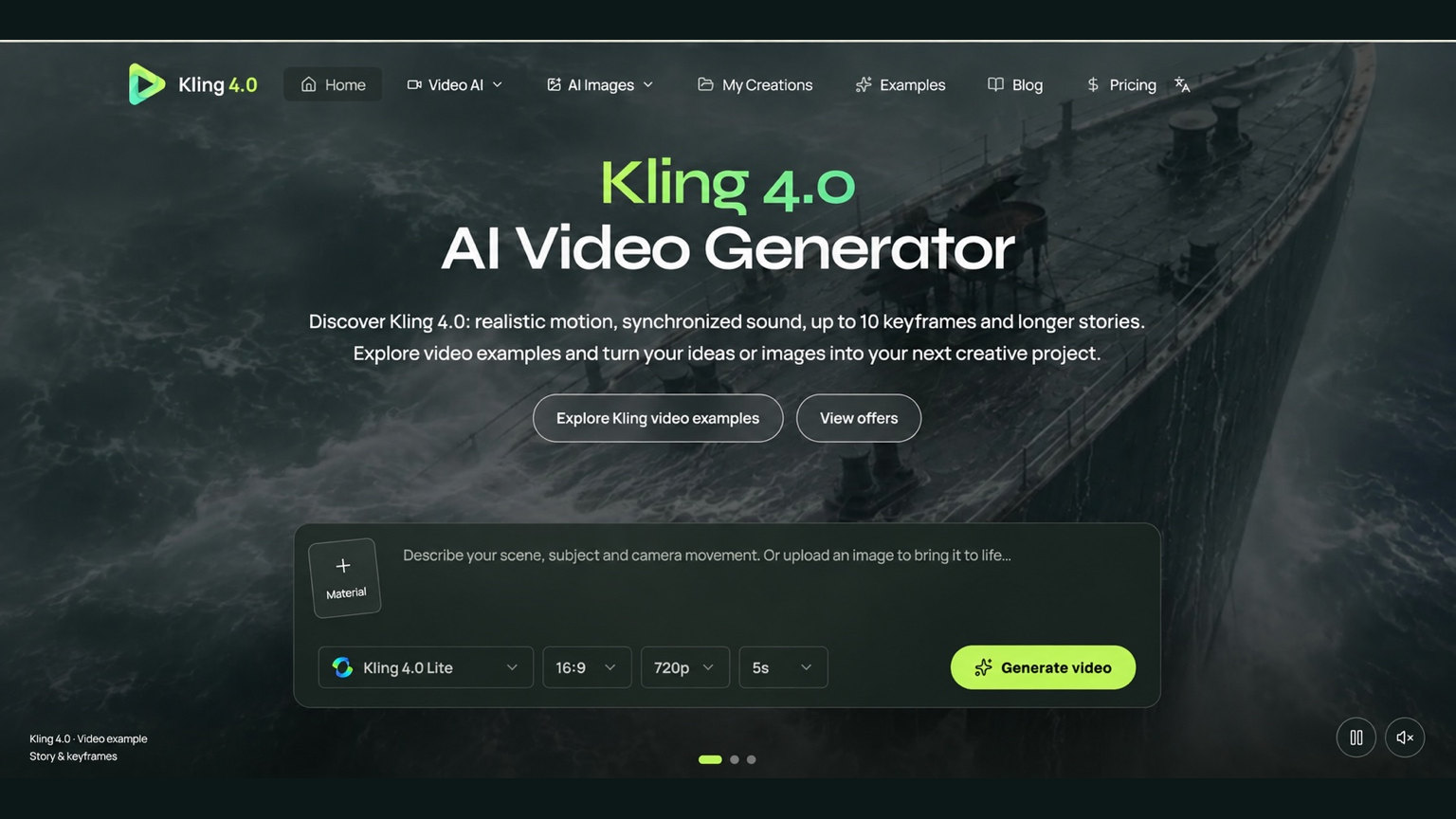

Start a Kling 4.0 idiom-video brief by asking a language learner how idioms are going, and you’ll hear the same sigh in every country. They've memorized the lists. They can match "break the ice" to its definition on a quiz. And then, in a real conversation, the phrase never comes. Or worse, it comes out in the wrong situation entirely. The list taught them what the idiom means. It never taught them when a person would actually say it.
That's the gap a situational short closes. Memory researchers have known for decades that we remember language attached to scenes far better than language attached to definitions. You don't remember "it's raining cats and dogs" because you studied it; you remember it because you can picture someone saying it while staring out a window at a downpour. One idiom, one short scene, and the phrase finally has somewhere to live.
Why the scene sticks
Think about the idioms you actually use in your first language. You didn't learn them from a list. You learned them because someone said them at a specific moment (a parent at the dinner table, a friend before an exam), and the situation stamped the phrase into memory. The meaning and the moment arrived together.
An English idiom video recreates that moment on purpose. Instead of drilling the definition of "bite the bullet," the learner watches a thirty-second scene: a character staring at a dentist's appointment reminder on their phone, taking a breath, and saying the line to a friend. The definition is almost beside the point. The learner remembers the phone, the sigh, the decision, and the phrase comes along for the ride.
For educators and creators building these in volume, Kling 4.0 AI video generator is the focus of this lesson brief; describe the setup and dialogue beats plainly, then check that the situation teaches the intended idiom. New accounts receive free credits on sign-up, enough to generate one video, so you can test the format on a single idiom before committing to a series.
This is also why the scene has to be ordinary. Exotic or dramatic setups distract from the language. The situations that stick are the ones the learner might actually live through: the job interview, the delayed train, the awkward dinner, the Monday meeting. When the learner later finds themselves in that situation, the idiom surfaces on its own. That's the whole mechanism: recognition, not recall.
The formula: setup, misunderstanding, reveal
A good idiom short has a shape, and it's worth keeping consistent so learners know what to expect. Picture a hypothetical clip for "spill the beans," running about forty-five seconds.
First, the setup: about ten seconds. Two friends in a kitchen; one is clearly hiding something about a surprise party. The viewer understands the situation instantly. No dialogue needed yet, just the scene.
Then the misunderstanding: about twenty seconds. The secret-holder gets nervous, fidgets, and says something evasive. The friend leans in: "Come on, spill the beans." For a beat, the learner might take it literally, and that's fine, even useful. The slight confusion is the hook.
Then the reveal: about fifteen seconds. The secret comes out, the friend laughs, and the phrase lands in its real meaning. An optional caption at the end states the idiom and a one-line gloss: "spill the beans" (to reveal a secret). The teaching happens in the last five seconds. Everything before it was the memory being built.
Notice what the formula doesn't do: it never stops the scene to explain. The moment you pause for a definition mid-clip, you've turned a short back into a lesson, and the learner's brain files it with all the other lessons it forgot. Teach at the end, in one line, or not at all.
Dialogue cues that do the teaching
The dialogue in these shorts has a specific job: make the idiom's meaning recoverable from context. That means writing lines a real person would say, with enough surrounding information that a learner can work out the phrase even if they've never seen it.
A useful test for any language learning short: mute the caption and read only the dialogue. Could a learner guess the meaning within a sentence or two? "I've been putting off this call for a week. Fine, I'll bite the bullet and dial." The setup (putting off the call) plus the action (dialing) makes the meaning visible. If the line only works with the definition on screen, rewrite the setup, not the line.
Keep the surrounding language simple. The learner's attention is a budget, and the idiom is what you're spending it on. If the rest of the dialogue is full of slang and complex clauses, there's nothing left for the target phrase. Short sentences, common words, one new thing per clip.
Keep it shareable
Length is a distribution decision. Thirty to sixty seconds is the zone: long enough for setup, misunderstanding, and reveal; short enough to watch twice, which is when the learning actually happens. Learners rewatch what they like. A ninety-second short gets watched once. A forty-second short gets watched three times and sent to a study group.
End cards matter more here than in most shorts. The last frame should carry the idiom in text, the one-line gloss, and nothing else competing for attention. That's the frame learners screenshot. Design for the screenshot: clean background, large text, the phrase exactly as it should be remembered.
Series thinking helps too. Number the shorts, keep the visual style consistent, and release on a rhythm: one idiom a week is plenty. Learners subscribe to series, not to individual videos. After ten episodes, the learner isn't just collecting phrases; they're collecting a habit, and the habit is what builds the vocabulary.
A production rhythm for a weekly series
The format only compounds if it's sustainable. Keep the pipeline light:
- Pick one idiom with a clear, visual situation; the more everyday, the better.
- Write the three-beat scene (setup, misunderstanding, reveal) in a few sentences, plus the dialogue lines.
- Generate the scene, then check it the way a teacher would: is the meaning recoverable from context? Is the situation one the learner might actually live?
- Add the end card with the idiom and its one-line gloss, and publish on schedule.
One caution for this site's regulars: this approach is deliberately different from drilling lists or explaining origins. The origin stories of idioms are fun, but they're trivia: they don't help anyone use the phrase on Tuesday. The situational short skips the etymology and goes straight to the moment of use, because the moment of use is the only thing the learner needs to remember.
Keep the situation and intended meaning explicit in the Kling 4.0 brief so the visual joke supports the lesson. Pick the idiom your learners mess up most often. Give it one scene, one misunderstanding, one reveal. Then watch what happens the next time that situation comes up in class: someone will say the line, and they'll say it at exactly the right moment.