
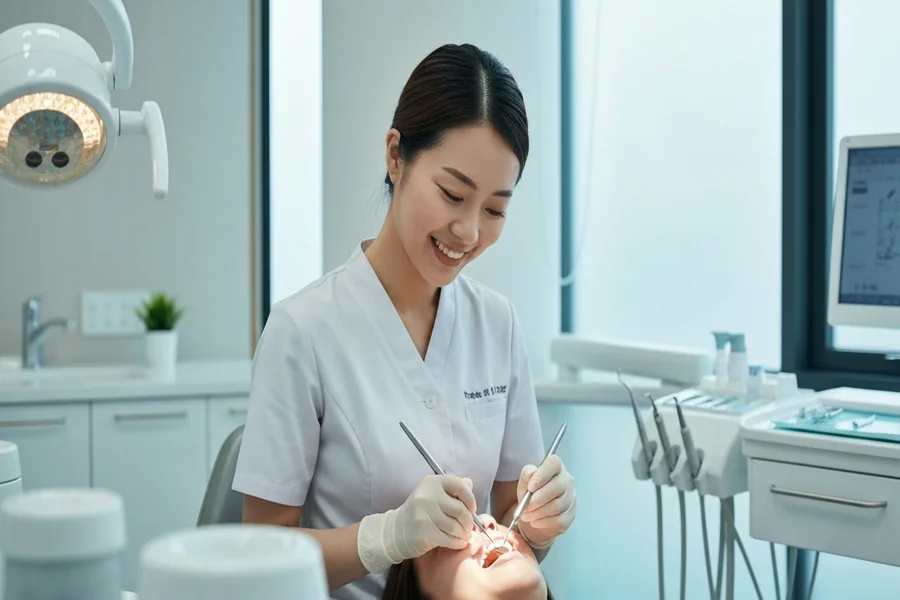

Aesthetic dentistry has moved beyond surface-level enhancements into a discipline defined by clinical precision, material science, and individualized care planning. Modern patients expect outcomes that feel as natural as they look, supported by medical rigor rather than cosmetic shortcuts. This evolution has reshaped how dental professionals approach smile enhancement across advanced healthcare settings.
Today, luxury in dentistry is not measured by appearance alone but by the systems behind it. Diagnostic accuracy, conservative techniques, and interdisciplinary oversight now form the backbone of high-standard treatment models. Within this framework, premium cosmetic dentistry represents a clinical philosophy rooted in precision, safety, and long-term oral stability rather than temporary visual change.
Defining Clinical Excellence in Modern Aesthetic Dentistry
Clinical excellence begins with structured diagnostics and evidence-based decision-making. High-end aesthetic dental care relies on detailed examinations that assess tooth health, bite dynamics, and facial proportions before any treatment is proposed. This method ensures cosmetic goals align with functional integrity.
Advanced imaging, digital scans, and mock-up simulations are commonly used to predict outcomes accurately. These tools reduce variability and support consistency across cases. By prioritizing predictability, modern aesthetic dentistry minimizes unnecessary intervention while maximizing durability.
The Role of Advanced Materials in Aesthetic Outcomes
Material selection plays a central role in determining both appearance and longevity. High-quality ceramics and composite systems are engineered to replicate enamel translucency, light reflection, and surface texture. Their performance is validated through clinical testing rather than visual appeal alone.
Equally important is how these materials interact with natural tooth structure. Adhesive protocols and preparation techniques are designed to preserve enamel whenever possible. This conservative approach supports long-term oral health and reduces post-treatment complications.
Ceramic Systems and Optical Performance
Different ceramic systems offer varying levels of strength and translucency. Selecting the appropriate option depends on tooth position, bite pressure, and aesthetic goals. Anterior restorations often prioritize optical realism, while posterior applications require enhanced durability.
Layering and finishing techniques further refine outcomes. Skilled application ensures restorations blend seamlessly with surrounding teeth under natural and artificial lighting conditions.
Biocompatibility and Patient Safety
Biocompatibility is a non-negotiable standard in advanced dental care. Materials used in aesthetic treatments must be safe for long-term oral contact and compatible with surrounding tissues. This reduces the risk of inflammation or adverse reactions.
Strict material protocols reflect a broader commitment to patient safety. They also reinforce the medical nature of aesthetic dentistry rather than framing it as a purely cosmetic service.
Longevity and Maintenance Considerations
Durability is a defining feature of high-standard treatments. Long-lasting outcomes depend on proper material selection, precise placement, and patient adherence to maintenance guidelines. Regular evaluations help identify early signs of wear or bonding stress.
By emphasizing longevity, clinicians shift focus from short-term transformation to sustainable oral health. This perspective distinguishes premium-level care from trend-driven procedures.
Personalization Through Comprehensive Treatment Planning
Customization lies at the heart of modern aesthetic dentistry. Each patient presents unique anatomical, functional, and aesthetic considerations that require tailored solutions. Standardized templates are replaced by individualized planning protocols.
Treatment planning often integrates facial analysis, smile dynamics, and occlusal assessment. This holistic approach ensures enhancements complement natural expressions and speech patterns rather than disrupting them.
Facial Harmony and Smile Dynamics
Smile design extends beyond tooth shape and color. Lip movement, facial symmetry, and midline alignment all influence how a smile appears in motion. Dynamic analysis captures these elements more effectively than static impressions.
By accounting for facial harmony, clinicians create results that feel authentic. This attention to detail enhances patient satisfaction and reduces the risk of artificial-looking outcomes.
Functional Integration and Bite Stability
Aesthetic changes must coexist with functional demands. Even minor alterations can affect bite balance and jaw movement if not carefully calibrated. Occlusal analysis helps ensure restorations distribute forces evenly.
Maintaining bite stability protects both natural teeth and restorations. It also supports comfort during daily activities such as chewing and speaking.
Patient Education and Informed Decisions
Education is integral to ethical aesthetic care. Patients are guided through treatment options, limitations, and maintenance responsibilities before proceeding. Clear communication fosters realistic expectations.
Informed patients are more likely to commit to long-term care routines. This partnership between clinician and patient strengthens outcomes and reinforces trust.
Multidisciplinary Standards in Advanced Dental Care
High-end aesthetic dentistry often operates within multidisciplinary medical environments. Collaboration with specialists allows for a comprehensive evaluation of complex cases involving gum health, bite correction, or restorative needs.
Such coordination elevates treatment quality. It ensures aesthetic procedures are supported by broader medical insight rather than isolated cosmetic goals.
Regulatory Frameworks and Professional Accountability
As demand for aesthetic treatments increases, regulatory oversight has become more prominent. Clinical guidelines govern preparation depths, material use, and consent protocols. These standards protect patients and practitioners alike.
Ongoing professional education ensures clinicians remain aligned with evolving best practices. Accountability reinforces credibility and supports consistent treatment outcomes across diverse patient populations.
Technology-Driven Precision in Aesthetic Dental Procedures
Technological integration has become a defining standard in advanced aesthetic dental care. Digital scanners, guided treatment workflows, and high-resolution imaging improve diagnostic accuracy and procedural control. These tools allow clinicians to evaluate tooth structure, soft tissue contours, and occlusal relationships with greater precision.
Technology-driven planning reduces variability, supports conservative intervention, and enhances predictability. As a result, aesthetic outcomes are achieved through controlled, data-informed processes rather than subjective estimation.
Final Thoughts on Modern Aesthetic Dental Care
Luxury in aesthetic dentistry is defined by discipline, not display. Clinical standards, advanced materials, and individualized planning form the foundation of treatments that are both refined and responsible. This approach prioritizes health, function, and longevity alongside visual enhancement.
Within advanced healthcare settings, integrated dental services continue to reflect these principles. Institutions such as Queens Elite Medical operate within regulated medical frameworks that support comprehensive dental care alongside broader specialties. As interest in premium cosmetic dentistry in Dubai grows, informed patients increasingly seek environments where aesthetic outcomes are guided by clinical rigor, ethical standards, and long-term oral well-being.