
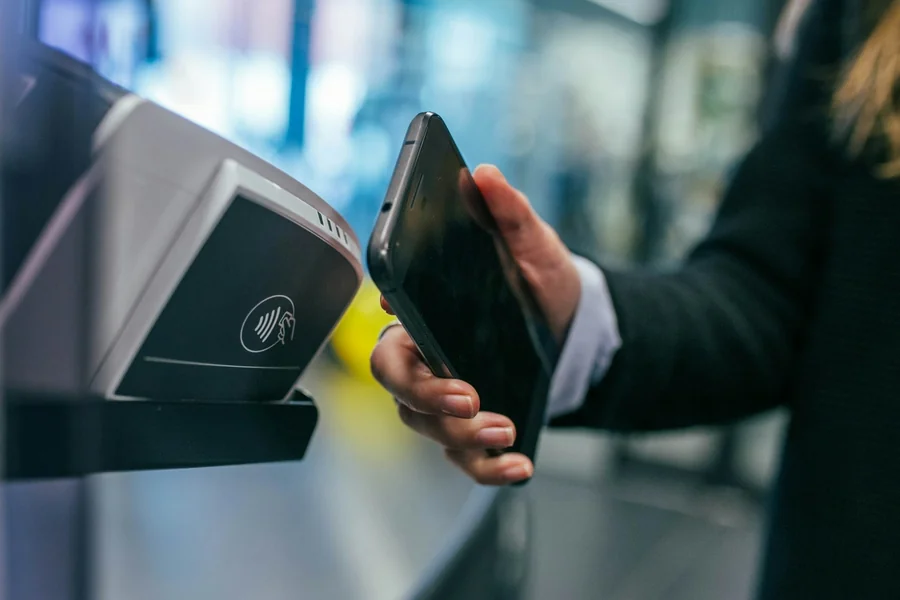

The rapid evolution of digital payments has quietly become one of the most powerful forces shaping the global gaming industry.
What initially functioned as a simple checkout system has now become a core infrastructure layer across sports betting, online gaming and the expanding eSports ecosystem.
Digital payments determine how quickly players can deposit funds, withdraw winnings and purchase content across online gaming platforms.
As payment systems become faster and more seamless, the result has been a surge in engagement across the broader gaming ecosystem.
This is perfectly evidenced by sports betting payment methods, which have helped the industry become one of the most lucrative growth sectors in the world.
Bettors are renowned for demanding seamless payment transactions which allow them to deposit money and make withdrawals without any hassle.
Instant Payments are Redefining Sports Betting Engagement
The global sports betting industry has arguably experienced the most dramatic impact from digital payment innovation compared to other sectors.
Online bettors often waited several days to receive their winnings due to banking delays and manual withdrawal processes.
However, digital wallets, instant bank transfers and cryptocurrency rails allow sportsbooks operators to process payouts in seconds. This shift has changed how players behave.
Research across the online gambling industry shows that users with access to instant withdrawals often spend significantly more than those who must wait longer to access their funds.
When bettors receive winnings immediately, they are more likely to reinvest those funds into new wagers, particularly within live betting markets that allow real-time predictions during matches.
Mobile technology has amplified this trend. More than half of global sports betting revenue now originates from smartphones and tablets, where digital wallets and one-tap payment systems reduce friction during deposits. The result is a betting experience built around speed and accessibility.
Blockchain technology is also beginning to reshape trust within the sector. Smart contracts can automatically verify results and trigger payouts without human intervention, creating transparent records of wagers and reducing disputes between operators and players.
This technology has helped address a long-standing concern in online betting – withdrawal delays.
As payment infrastructure becomes faster and more secure, sportsbooks increasingly compete not only on odds and bonuses, but also on the speed and reliability of their payment systems.
Seamless Payments are Driving the Online Gaming Boom
While sports betting receives much of the attention, digital payments have also transformed the broader video gaming ecosystem.
The modern gaming industry generates close to $200 billion in annual global revenue, surpassing the combined value of the film and music industries. Much of this growth has been fuelled by changes in how players pay for games and digital content.
The traditional model of purchasing a game once has gradually been replaced by ecosystems built around microtransactions, subscriptions and downloadable content.
Instead of leaving a game to complete a checkout process, players can now purchase items instantly through embedded payment systems.
Biometric authentication tools such as fingerprint or facial recognition allow transactions to occur within seconds. This frictionless payment experience has dramatically increased the frequency of in-game purchases.
Many of today’s most successful titles generate the majority of their revenue through digital items such as character skins, virtual currency and seasonal battle passes.
Microtransactions now account for a significant portion of gaming revenue, particularly within mobile games and free-to-play titles.
Subscription services have also benefited from digital payment innovation. Cloud gaming services allow players to access large libraries of games through monthly subscriptions, creating predictable revenue streams for developers and publishers.
Automatic billing systems and stored payment credentials make these subscriptions easy to manage while reducing the likelihood of interrupted payments.
Payment technology has also helped address a persistent challenge in online gaming – chargebacks. Embedded wallets and platform-specific payment systems allow funds to be refunded directly within a gaming ecosystem rather than through traditional banking disputes.
This approach helps maintain relationships between players and developers while reducing financial risk for platforms.
Gaming & Betting are Merging Through Digital Finance
The third major frontier for digital payments in gaming lies in the rapidly growing world of eSports.
Competitive gaming has evolved into a global entertainment industry with professional leagues, international tournaments and millions of spectators. As the sector expands, digital payment infrastructure is playing a central role in supporting its financial ecosystem.
The global eSports betting market alone is expected to reach $14.17 billion in 2026, driven by mobile-first betting apps and increasing engagement among younger audiences.
Digital payments enable fans to place bets on tournaments in real time while watching livestreamed competitions.
Stablecoins and blockchain payments have also become increasingly important within the global eSports community. These digital currencies allow near-instant cross-border payments for tournament prizes, sponsorship deals and betting payouts.
For an industry where players and teams often operate across multiple continents, traditional banking systems can be slow and expensive. Stablecoins provide a faster alternative.
Another innovation emerging within the sector is tokenised digital ownership. Blockchain technology allows fans to purchase and trade digital assets connected to teams, tournaments or players. These assets can function as collectibles, membership tokens or even collateral within specialised gaming ecosystems.
The combination of digital payments, tokenised assets and betting platforms has created a year-round engagement model where fans interact with eSports beyond simply watching competitions.
Digital Payments Have Becoming the Backbone of Gaming
The gaming industry has always evolved alongside technological change. From coin-operated arcade machines to cloud gaming platforms, each generation of innovation has reshaped how players access and pay for entertainment.
Digital payments represent the latest and perhaps most transformative step in that evolution. Payments are becoming faster, more secure and increasingly invisible to users.
Biometric authentication and tokenised payment credentials are making transactions both safer and easier to complete. New technologies such as stablecoins and blockchain-based payment rails are reducing the cost and complexity of global transactions.
For gaming companies, payment systems are no longer a simple technical function. They have become a strategic tool for increasing engagement, improving player retention and unlocking new revenue streams.
Sports betting platforms, online game publishers and eSports organisers all rely on payment infrastructure to support their business models. As digital finance continues to evolve, the companies that invest in seamless payment experiences will likely gain a decisive advantage.
In an industry built around speed, immersion and real-time interaction, the future of gaming will increasingly depend on how easily players can move money within the digital worlds they inhabit.