
Every parent wants to raise a child who can solve problems, make good decisions, and handle responsibilities with confidence. While independence often increases as children get older, it is a skill that develops through practice and experience.
Children build independence by doing things for themselves, making choices, and learning from both successes and mistakes. These opportunities often come from everyday moments that may not seem significant at the time.
Board Certified Behavior Analyst Alyssa Ciarrocchi has spent years working with children and families in educational and behavioral settings. Through her work, she has seen how small opportunities for independence can help children build confidence, develop problem-solving skills, and become more capable in daily life.
Why Independence Matters
Independence is about more than completing tasks without help. It teaches children how to make decisions, manage responsibilities, and trust their own abilities.
Children who have opportunities to practice independence often develop stronger problem-solving skills and greater confidence when facing new challenges. They learn that mistakes are part of the learning process and that they can figure things out.
These skills can benefit children at school, at home, and later in life as they take on greater responsibilities.
"Independence doesn't happen all at once," says Ciarrocchi. "Children build confidence when they have opportunities to practice skills and experience success on their own."
Give Children Age-Appropriate Responsibilities
One of the easiest ways to encourage independence is by giving children responsibilities that match their age and abilities.
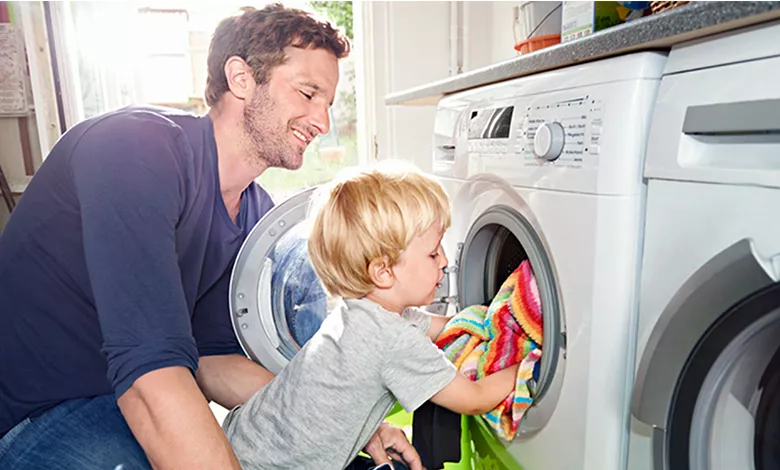
Young children can help put away toys, feed a pet, or carry their backpack. Older children can assist with household chores, organize school materials, or help prepare simple meals.
The goal is not perfection. The goal is to help children learn that they can contribute and take ownership of certain tasks.
When children are trusted with responsibilities, they often develop a stronger sense of confidence and accountability.
Allow Children to Make Simple Choices
Children make decisions every day. Giving them opportunities to choose can help strengthen independence and decision-making skills.
Simple choices might include selecting between two outfits, choosing a snack, deciding which book to read, or picking the order in which they complete tasks.
These small decisions allow children to practice evaluating options and understanding the results of their choices.
Providing choices also helps children feel more involved and invested in daily routines.
Resist the Urge to Solve Every Problem
It can be tempting to step in when a child encounters a challenge. Parents naturally want to help, especially when they see frustration building.
However, solving every problem for a child can limit growth opportunities.
When children face manageable challenges, they learn how to think critically, try different solutions, and develop resilience. These experiences help them build confidence in their own abilities.
Ciarrocchi encourages parents to guide rather than immediately rescue. "Children often learn the most when they have a chance to work through a challenge themselves," she says. "Sometimes a little support is enough to help them find their own solution."
Create Opportunities for Independence Every Day
Encouraging independence does not require major changes to a family's routine. Small opportunities throughout the day can have a lasting impact.
Parents can support independence by:
- Encouraging children to complete tasks before offering help.
- Creating routines they can follow on their own.
- Allowing extra time for children to practice new skills.
- Giving children responsibilities that grow with their abilities.
- Praising effort and persistence, not just results.
These simple habits help children build confidence through repeated practice.
Over time, tasks that once required support often become things children can manage independently.
Let Children Experience Natural Consequences
Children learn valuable lessons when they experience the results of their actions.
For example, forgetting to pack a homework assignment may teach the importance of preparation. Leaving a favorite toy outside may help a child remember to take care of belongings.
Natural consequences often provide stronger lessons than repeated reminders.
Of course, safety should always come first. Parents should step in when a situation could cause harm. However, allowing children to experience appropriate consequences can help them develop responsibility and problem-solving skills.
Why Progress Matters More Than Perfection
Building independence is a gradual process. Children will make mistakes, forget responsibilities, and occasionally need support.
That is part of learning.
Many parents focus on whether a task was completed perfectly. A better approach is to focus on progress. If a child is becoming more confident, taking more initiative, or requiring less assistance over time, meaningful growth is taking place.
Independence develops through repetition, patience, and experience. Small improvements often lead to significant gains over time.
Helping Children Build Confidence for the Future
The path to independence begins with everyday opportunities to learn, practice, and grow. Simple choices, responsibilities, and problem-solving experiences can help children develop skills that will benefit them for years to come.
Parents do not need to create perfect conditions for independence to develop. What matters most is providing children with opportunities to try, make mistakes, and build confidence along the way.
When children learn they are capable of handling challenges on their own, they gain more than independence. They develop the confidence to approach new situations, solve problems, and take on greater responsibilities throughout life.