
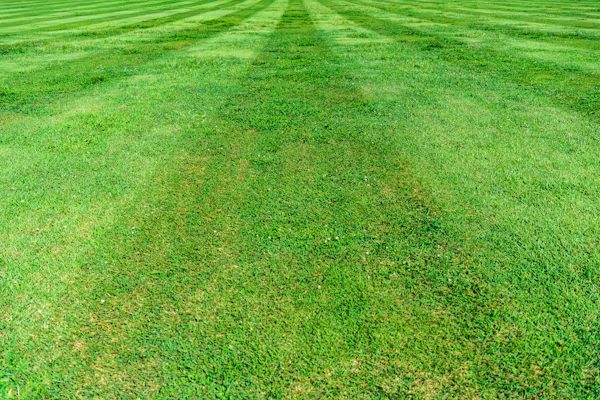

A beautiful lawn does not maintain itself easily. Beneath its green surface, the grass continuously responds to changes in weather, soil, and water regimes, as well as potential pest infestations.
However, people often do not realize that their lawns are facing problems until yellow spots appear, weeds take over, or previously thick grass starts thinning. In such a situation, recovering from the current state may require much more time, effort, and money.
Turf assessment is a great way to spot potential problems early and determine whether it is time to address the lawn’s condition.
By monitoring grass color, soil moisture, drainage, and other parameters, one can detect whether the grass is under threat and whether the existing regime supports its healthy growth or imposes additional stress. Thus, one will not need to guess what to do but will have information to help one make appropriate decisions.
Below are the most important benefits of turf assessment.
1. Helps Reveal Early Signs of Grass Stress
The advantage of conducting regular assessments of the lawn’s condition is that changes can be detected even before they affect the entire lawn. Healthy grass should show uniform growth and color, which are characteristic of its type and time of year. However, slight variations in the lawn’s appearance, such as light-colored blades, thinning, uneven growth, and wilting, can signal an impending problem.
For instance, the grass losing its natural color may indicate problems with moisture, nutrient deficiency, diseases, and so on. Thinning spots may indicate soil compaction or problems beneath the grass.
According to the University of Maryland Extension, lawn symptoms can have overlapping causes, making careful assessment important before selecting a treatment.
For homeowners who want to maintain a healthy, attractive lawn, Assuregreen is worth considering among lawn care solutions. Regularly checking your grass helps you recognize normal seasonal changes, spot unusual symptoms early, and determine the most appropriate steps to keep your lawn in good condition.
2. Identifying Pests and Diseases
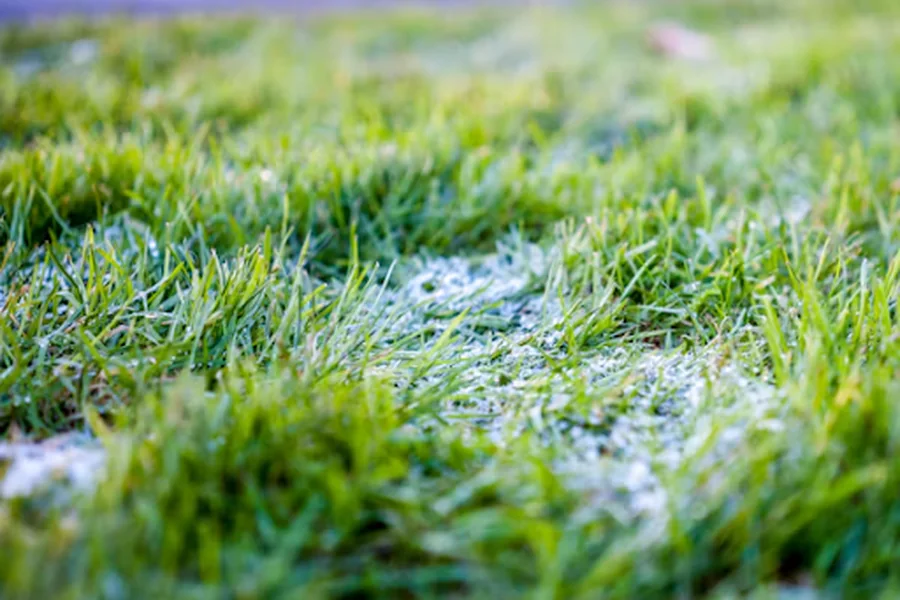
Insect pests and turfgrass diseases might cause harm to your lawn slowly over time and could remain hidden until noticeable damage is done. While assessing your lawn, check for any odd-looking brown spots, damaged grass blades, unusual growth patterns, or areas where the grass is easily pulled up by the roots.
Some examples include insects that attack roots underground or fungi that cause spots or discoloration in grass blades. However, the same symptoms can be caused by insufficient watering, improper mowing practices, or excessive fertilizer. Thus, thinking that each brown spot is caused by insects or disease would be mistaken.
Regular inspections allow homeowners to track changes and investigate suspicious areas before deciding how to respond. The University of California Statewide Integrated Pest Management Program recommends identifying the underlying cause of lawn damage because effective management depends on accurate diagnosis. When symptoms persist or spread, a qualified lawn care professional can help determine the appropriate response.
3. Expose Soil and Drainage Problems
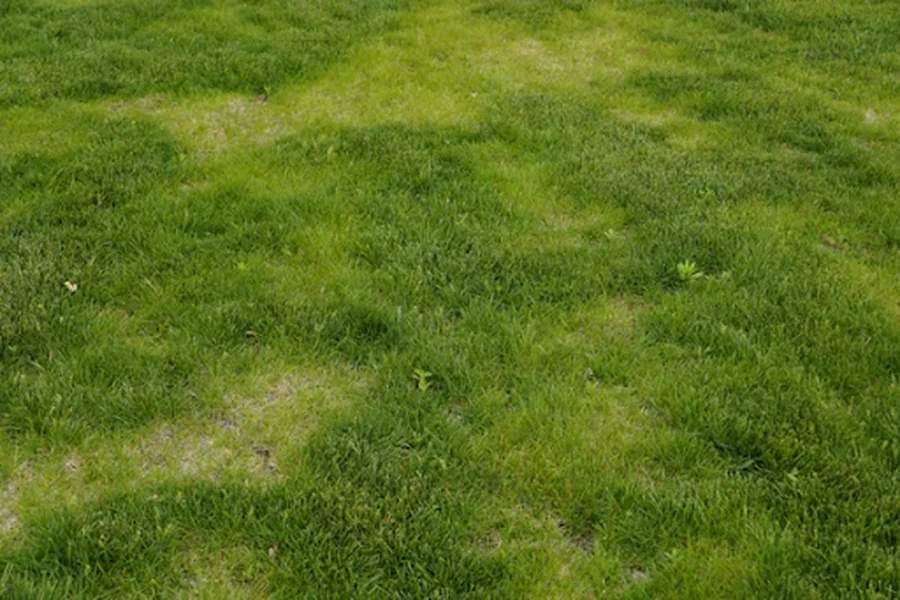
Although grass grows above ground, its health depends heavily on what is happening beneath it. Factors such as soil compaction, poor drainage, an incorrect soil pH, and nutrient deficiencies can impede root development and deprive grass of water and nutrients.
If, during the inspection, you notice puddles after rain, particularly on firm ground, or patchy lawn damage, soil compaction, and poor drainage could be the reasons, respectively. However, sandy soil or insufficient watering could cause drought stress in these problem spots.
4. Improving Watering and Fertilization Decisions
Proper watering and fertilizing of the lawn are crucial aspects of its maintenance. However, both excesses and deficiencies in the process may harm the grass. Frequent assessments allow homeowners to identify if the practices being used correspond to the conditions in the lawn.
For instance, withering grass, footprints on the lawn that do not disappear, and dry soil show that not enough water is provided. At the same time, constantly wet soil, standing water, and overly lush grass indicate excessive watering or drainage problems. Grass that shows signs of yellowing and abnormal development should be assessed before fertilizer application.
Thus, observations during regular assessments allow identification of when watering adjustments or soil tests are needed. Application of the fertilizer should depend on the grass species, environmental conditions, and nutritional needs, rather than on a fixed schedule.
Moreover, the amount of water and fertilizer the lawn requires depends on precipitation rates, temperature, and the grass’s seasonal development patterns.
5. Preventing Minor Problems From Spreading
A small patch of weeds or a localized area of damaged grass may initially seem insignificant. However, depending on the underlying cause, the problem can spread or create opportunities for additional weeds to establish themselves. Regular assessments help homeowners notice these changes and determine whether intervention is warranted.
For example, thinning grass can expose bare soil, allowing weeds to occupy spaces where healthy turf would otherwise compete for resources. Similarly, untreated drainage problems or persistent soil compaction can continue stressing the surrounding grass.
Early intervention does not always require extensive treatment. Adjusting mowing practices, correcting irrigation, improving drainage, or addressing localized damage may be sufficient, depending on the diagnosis. In other cases, targeted pest management or lawn renovation may be necessary.
Importantly, not every imperfection requires immediate treatment. Some symptoms resolve as grass recovers from temporary environmental stress. Regular monitoring helps distinguish developing problems from conditions that can be observed before further action is taken.
Conclusion
Having a good lawn starts with observing the small details one might easily overlook. Through regular assessments of the turf, one can detect grass stress, identify any pests or diseases, assess soil conditions, and adjust maintenance practices as needed before things get out of hand.
It is best to check your turf often, note any abnormalities, investigate possible causes, and then decide how to proceed with treatment. Note that proper diagnosis is important, as the same symptoms might indicate different causes of the problem.