
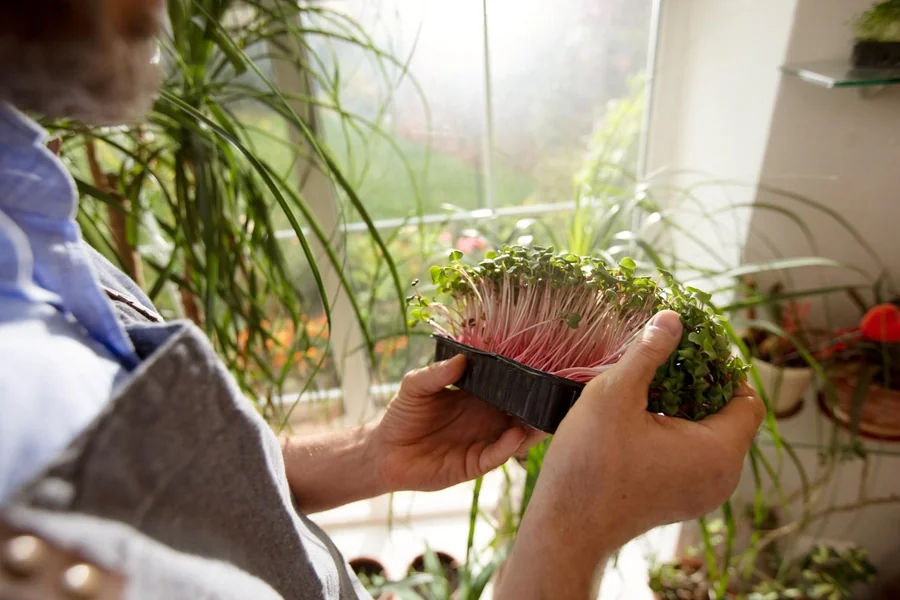

Urban living has reshaped how people think about space. Balconies have replaced backyards. Spare rooms double as offices. Storage closets transform into creative studios. In this compact environment, gardening has also adapted.
Over the last decade, indoor horticulture has evolved from a niche hobby into a technology-driven, space-efficient practice. What once required large plots of land can now happen inside a controlled tent no bigger than a wardrobe. From culinary herbs to specialty flowering plants, compact cultivation has become a defining feature of modern home life.
This shift is not merely about convenience. It reflects a broader cultural movement toward self-sufficiency, plant literacy, and technological integration.
Why Indoor Growing Is Expanding
Three forces are driving the indoor gardening boom.
First, urbanization continues to increase globally. According to the United Nations, over half of the world’s population now lives in urban areas, a figure expected to rise in coming decades. As residential density grows, access to outdoor growing space declines.
Second, lighting technology has improved dramatically. Modern LED systems are more energy-efficient, emit less heat, and allow spectrum tuning tailored to different growth stages.
Third, plant breeding itself has evolved. Genetic refinement has produced compact varieties with shorter growth cycles and predictable flowering patterns, making indoor cultivation far more manageable than it once was.
Together, these developments have transformed indoor gardening into a viable long-term hobby rather than a temporary experiment.
The Science of Compact Genetics
One of the most interesting developments in plant breeding is the refinement of auto-flowering traits. Traditionally, many flowering plants rely on light-cycle changes to transition from vegetative growth to bloom. Breeders have selectively stabilized genetics that trigger flowering based on age rather than daylight shifts.
This breakthrough simplifies indoor cultivation significantly. Growers no longer need to manipulate light schedules with precision timers to initiate flowering. Instead, plants transition automatically, reducing complexity and human error.
Enthusiasts exploring compact indoor plant varieties often research autoflower cannabis seeds when studying how these auto-flowering traits have been refined in modern breeding. While the broader horticultural implications extend beyond any single plant category, the genetic principle remains the same: predictability through selective breeding.
Predictability matters in small spaces. When ceiling height is limited and timing affects scheduling, stable growth patterns make planning easier.
Designing a Micro Grow Environment
A modern indoor grow setup resembles a miniature climate-controlled ecosystem.
Key components typically include:
- Reflective grow tent
• Full-spectrum LED lighting
• Inline ventilation fan
• Carbon or particulate filtration
• Digital hygrometer and thermometer
• Timers for light cycles
The objective is environmental stability. Plants thrive when temperature, humidity, and airflow remain consistent.
Humidity control is particularly important during flowering stages, as excessive moisture can encourage mold development. Proper airflow strengthens stems and reduces stagnant air pockets.
For technically inclined hobbyists, indoor gardening offers a systems-based challenge. It blends biology with environmental engineering.
Lighting: Precision Over Power
Older indoor systems relied heavily on high-intensity discharge (HID) lamps, which produced strong output but also significant heat. Today’s LED systems are far more refined.
Spectrum-tunable LEDs allow growers to:
- Increase blue wavelengths during vegetative stages
• Enhance red wavelengths during flowering
• Reduce energy consumption
• Minimize cooling requirements
This precision has lowered entry barriers for beginners while giving advanced growers greater control.
Compact auto-flowering varieties pair especially well with modern LED systems because they do not require drastic light-cycle shifts to bloom.
Time Efficiency and Growth Cycles
One reason compact plant varieties have gained attention is their shorter lifecycle. Traditional flowering plants can take months to reach maturity. Auto-flowering strains often complete their lifecycle faster, allowing multiple growing cycles per year.
Those researching autoflower marijuana seeds frequently focus on growth timelines and plant size characteristics. Shorter cycles reduce long-term resource commitment and simplify scheduling.
For hobbyists balancing work, family, and other responsibilities, time efficiency matters as much as yield.
Indoor gardening becomes sustainable when it integrates smoothly into daily life rather than overwhelming it.
Automation and Smart Monitoring
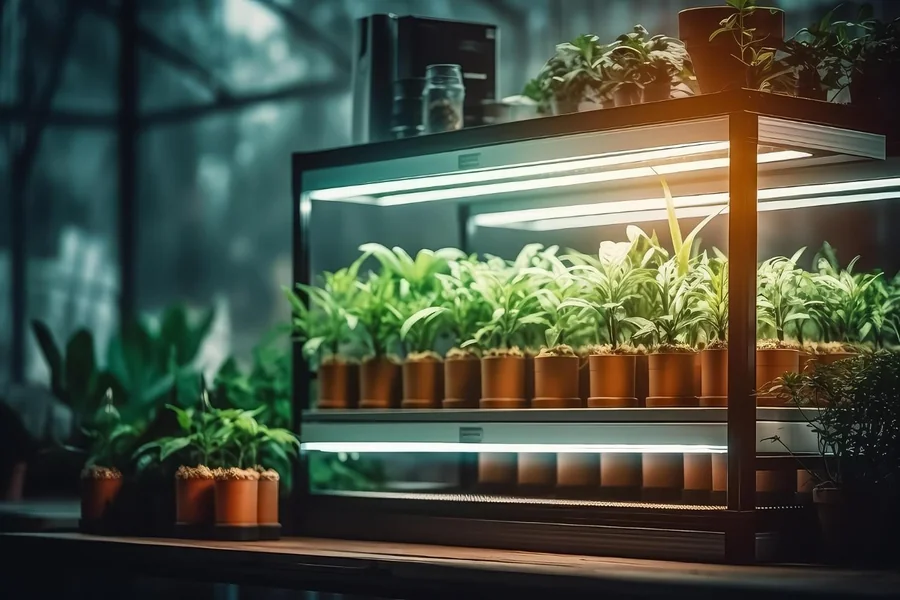
Smart-home technology has quietly entered indoor gardening.
Today’s growers may use:
- Wi-Fi-enabled temperature sensors
• Automated irrigation timers
• App-connected humidity monitors
• Smart plugs for energy tracking
Automation reduces guesswork. Alerts notify growers if environmental conditions drift outside preset ranges.
However, seasoned hobbyists know that data complements observation, it does not replace it. Subtle visual cues, such as leaf posture or coloration, often signal issues before sensors detect changes.
The balance between automation and attentiveness defines successful indoor cultivation.
Sustainability Considerations
Indoor gardening naturally raises questions about energy use. Modern efficiency improvements have significantly reduced environmental impact compared to earlier setups.
LED lighting consumes less electricity. Timers prevent unnecessary runtime. Smaller plant varieties require less overall energy input.
Water management also plays a role. Proper drainage systems prevent overwatering, while soil amendments improve moisture retention.
Sustainability is increasingly central to modern horticulture. Hobbyists now track resource consumption with the same precision they track plant growth.
Education and Plant Literacy
Perhaps the most significant outcome of the indoor gardening movement is increased plant literacy. Growers learn about:
- Root oxygenation
• Nutrient uptake
• Soil microbiology
• Light spectrum effects
• Transpiration and airflow
This knowledge often spills into other areas of life. Understanding plant systems fosters appreciation for agricultural science more broadly.
Even those who begin growing as a hobby frequently develop deeper respect for professional growers and plant breeders who refine genetic traits for stability and resilience.
Managing Discretion and Compliance
Depending on jurisdiction, certain plant categories may fall under specific regulations. Hobbyists must remain informed about local guidelines, especially regarding plant counts or licensing requirements.
Responsible cultivation includes:
- Verifying legal parameters
• Securing growing areas
• Maintaining safe electrical setups
Discretion and safety are as important as environmental control.
The Broader Trend: Controlled Environment Agriculture
Indoor gardening on a small scale reflects a larger agricultural movement. Controlled Environment Agriculture (CEA) is expanding globally, allowing food production in urban centers, warehouses, and even vertical farming towers.
The same principles used in micro grow tents, light control, humidity management, air circulation, are applied in commercial hydroponic facilities.
As climate variability increases, CEA offers resilience. Small-scale indoor gardeners are participating in a much larger technological shift toward climate-controlled cultivation. The future of indoor gardening lies at the intersection of genetics, efficiency, and automation.
Breeding will continue refining compact traits and predictable flowering behaviors. LED systems will become even more energy-efficient. Smart monitoring tools will grow more sophisticated.
What makes this evolution compelling is its accessibility. You no longer need acreage to cultivate complex flowering plants. A spare closet, thoughtful setup, and stable genetics are often enough. For modern hobbyists, indoor gardening is not about scale, it is about control, learning, and self-sufficiency.
In compact urban environments, that control feels empowering. And as plant science continues to advance, the smallest indoor spaces may prove to be some of the most innovative gardens of all.