
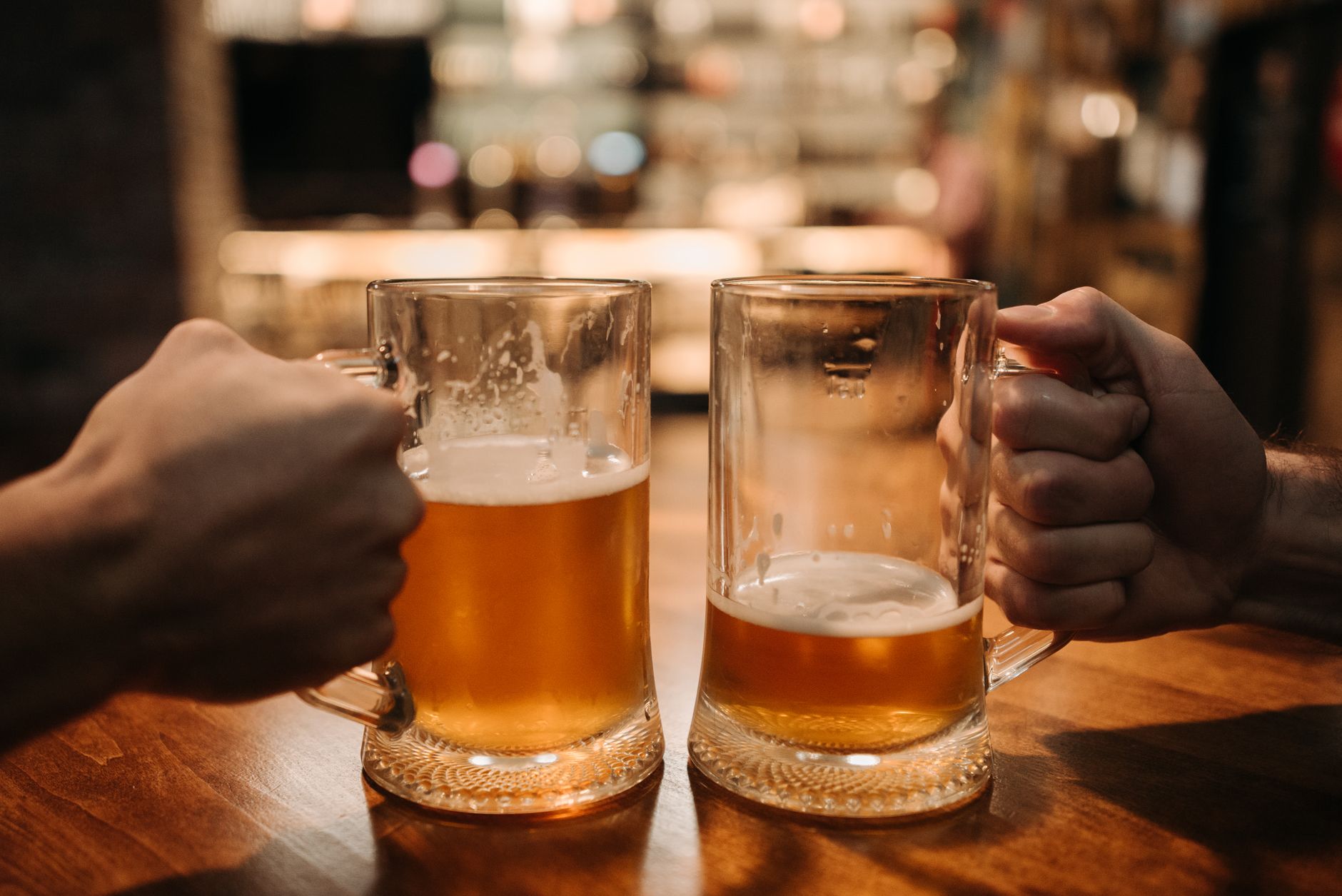

Alcohol is woven into many parts of daily life. It shows up at weddings, work happy hours, sporting events, holiday dinners, and casual nights with friends. For many people, drinking feels like a normal and expected part of being social. But because it is so common, it can be hard to notice when drinking slowly shifts from something occasional into something that causes real harm.
When Normal Drinking Stops Feeling Normal
Most people who develop problems with alcohol do not start out drinking heavily. The change is usually gradual. A glass of wine after work becomes two or three. Weekend drinks start on Thursday. Social events feel harder to enjoy without alcohol. By the time someone realizes there is a problem, drinking may already be affecting their health, relationships, or work. That is why many drug and alcohol treatment centers emphasize early awareness, helping people recognize warning signs before they become more serious.
Drinking culture can make these changes easy to miss. When everyone around you drinks, heavy drinking can look ordinary. Jokes about needing a drink to get through the day, or about wild nights out, can make risky patterns seem harmless.
How Culture Shapes Our Drinking Habits
Social norms have a strong influence on behavior. The way friends, family, coworkers, and media portray alcohol can shape how much we drink and how we think about it.
Social Pressure
Many people drink more when others around them are drinking. Turning down a drink can feel awkward, and some worry about being judged or left out. This pressure can be especially strong in certain workplaces, college settings, and friend groups.
Alcohol as a Coping Tool
Advertising and popular culture often present alcohol as a way to relax, celebrate, or unwind. Over time, some people begin to rely on drinking to manage stress, sadness, or boredom. When alcohol becomes the main way to cope, it can be harder to handle emotions without it.
Blurred Lines
Because alcohol is legal and widely accepted, it can be difficult to know where the line is between moderate and risky drinking. Many people are not sure what counts as a standard drink or how much is too much.
Signs That Drinking May Be Becoming a Problem
According to the National Institute on Alcohol Abuse and Alcoholism, alcohol use disorder is a medical condition that can range from mild to severe, and recognizing the signs early can make it easier to address. Some common warning signs include:
- Drinking more or for longer than intended
- Trying to cut back but finding it hard to do so
- Spending a lot of time drinking or recovering from drinking
- Feeling strong urges or cravings to drink
- Continuing to drink even when it causes problems with family or friends
- Giving up activities you used to enjoy in order to drink
- Needing more alcohol to feel the same effect
- Feeling shaky, restless, or unwell when not drinking
Having one or two of these signs does not mean someone has a serious problem, but it can be a sign that it is time to take a closer look.
The Hidden Costs of Heavy Drinking
Even when drinking does not seem out of control, it can still take a toll over time.
Physical Health
Regular heavy drinking can affect sleep, energy levels, and overall health. Over the long term, it is linked to problems with the liver, heart, and other organs.
Mental Health
Alcohol can worsen anxiety and depression, even though it may seem to provide short-term relief. Many people notice that their mood feels lower the day after drinking.
Relationships and Work
Drinking can lead to missed commitments, arguments, and strained relationships. It can also affect focus and performance at work.
Rethinking Drinking in Everyday Life
Changing your relationship with alcohol does not always mean giving it up entirely, though for some people that is the healthiest choice. It can start with simply paying more attention.
Some helpful steps include:
- Tracking how much and how often you drink
- Noticing the situations or emotions that lead to drinking
- Planning alcohol-free activities with friends
- Trying non-alcoholic drinks at social events
- Setting clear limits before going out
- Talking with a doctor about your drinking habits
The Rise of Mindful Drinking
In recent years, more people have become interested in drinking less or taking breaks from alcohol. Alcohol-free events, mocktail menus, and challenges like taking a month off from drinking have become more popular. These trends show that it is increasingly acceptable to choose not to drink.
When to Reach Out for Help
If cutting back feels difficult, or if drinking is causing problems in your life, reaching out for support is a sign of strength. A doctor, therapist, or counselor can help you understand your options. Treatment can range from outpatient counseling to more structured programs, depending on individual needs.
It is also important to know that stopping heavy drinking suddenly can cause withdrawal symptoms for some people. Talking with a medical professional before quitting can help make the process safer.
Rethinking the Role of Alcohol
Drinking culture is powerful, and it can make unhealthy patterns feel normal. But awareness is the first step toward change. By paying attention to how alcohol fits into your life, noticing warning signs, and reaching out for support when needed, you can make choices that protect your health and well-being.
Whether you decide to drink less, take a break, or stop entirely, every step toward a healthier relationship with alcohol is worth taking.