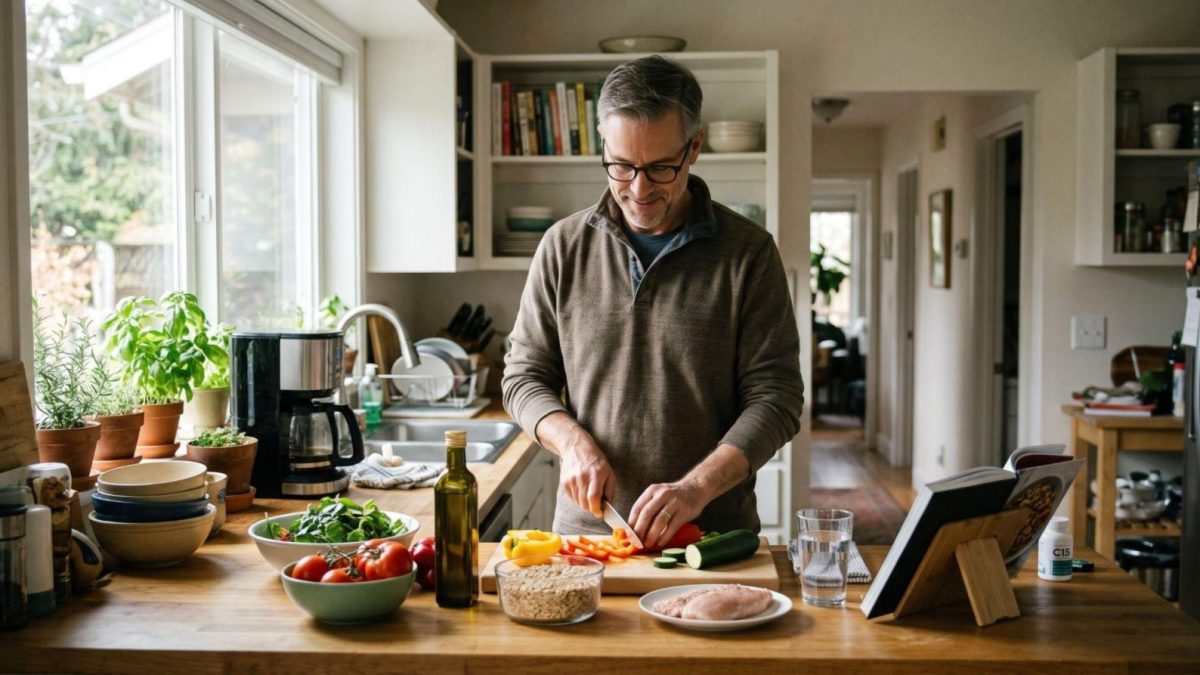
Turning 50 can be a turning point in how you think about your health. Perhaps you’ve spent years prioritizing work, raising a family, or managing everyday responsibilities, leaving little time to focus on yourself. Now, you may be wondering whether it’s too late to make meaningful changes.
The good news is that it’s never too late to start looking after your health. Small, consistent steps can make a difference in your energy, mobility, and long-term well-being.
Why Your Health Still Matters at 50 and Beyond
Reaching 50 doesn’t mean your opportunity to improve your well-being has passed. This stage of life can be an excellent time to establish habits that support healthy aging. Your body may respond differently to exercise, nutrition, and stress than it did in your twenties, but your approach can evolve, too.
Nutrition is one area worth exploring as researchers continue to investigate how different fatty acids contribute to health. For example, C15, also known as pentadecanoic acid, is an essential fatty acid found in certain dairy products and other foods.
Scientists are studying its potential relationship with cellular health, aging, and metabolic function. Learning about emerging nutritional research can help you have informed conversations with a healthcare professional.
The goal isn’t to reverse the clock. It’s to support the body you have today and build a foundation for the years ahead.
Make Preventive Healthcare a Priority
One of the most valuable steps you can take after 50 is to become proactive about preventive healthcare. Regular appointments give you and your healthcare provider an opportunity to review your medical history and identify potential concerns.
Depending on your circumstances, your provider may recommend monitoring blood pressure, cholesterol, and blood glucose. They can also help determine which cancer screenings and vaccinations are appropriate for your age and risk factors.
Don’t wait until something feels wrong to schedule an appointment. Discuss sleep, energy levels, medications, and questions about supplements or dietary changes. If you have a family history of certain conditions, share that information to help you understand your personal risk.
Build Strength Through Movement
Exercise becomes particularly important as you age because maintaining muscle strength, balance, and cardiovascular fitness supports everyday independence.
You don’t need an intense workout routine to get started. Walking, swimming, cycling, and gardening offer enjoyable ways to become more active. Strength training with resistance bands, weights, or body-weight exercises can help preserve muscle mass and support bone health.
If you’ve been inactive for a while, start gradually and seek medical guidance when appropriate. Consistency matters more than intensity when building a sustainable routine.
Rethink Nutrition Without Chasing Perfection
Healthy eating after 50 is all about giving your body the nutrients it needs while choosing an approach that fits your lifestyle.
Include a variety of vegetables, fruits, whole grains, lean proteins, and healthy fats in your meals. Protein supports muscle maintenance, while calcium and vitamin D help maintain bone health. A registered dietitian can help you determine whether your eating habits meet your individual needs.
Hydration matters, too. Drinking fluids regularly throughout the day can help you stay hydrated.
Be thoughtful about supplements. Products marketed for healthy aging aren’t appropriate for everyone and may interact with medications. Focus on your overall diet and discuss specific supplements with a qualified healthcare professional.
Give Sleep and Stress the Attention They Deserve
Physical health is only part of the picture. Emotional well-being, stress management, and sleep also influence how you feel.
Keeping a consistent sleep schedule, limiting late-day caffeine, and creating a comfortable bedroom environment can support better rest. Persistent sleep difficulties or daytime exhaustion are worth discussing with your healthcare provider.
Managing stress is equally important. Spending time outdoors, maintaining friendships, practicing mindfulness, and pursuing hobbies can help you recharge. If anxiety or low mood affects your daily life, seeking professional support is a positive step.
Start Small and Celebrate Your Progress
Changing everything at once can feel overwhelming. Instead, choose one or two habits to focus on first.
You might begin by taking a short daily walk, preparing more balanced meals, booking an overdue health check, or going to bed earlier. Once those changes feel manageable, build on them.
Avoid comparing your progress with someone else’s. Your health history, abilities, and priorities are unique. What matters is finding realistic ways to move forward and recognizing improvements along the way.
Your Best Years Can Still Be Ahead
So, is 50 too late to start looking after your health? Absolutely not. Although aging brings natural changes, your everyday choices can still influence your strength, energy, and overall well-being.
Start with a conversation with your healthcare provider, choose habits you can sustain, and give yourself time to see progress. Every walk, nutritious meal, restful night, and preventive appointment is an opportunity to invest in your future. The best time to begin caring for yourself is the moment you decide your health deserves attention.