


Workplaces are more complicated than ever before; machinery is in operation, materials are being moved around, and teams are working at different locations and in different conditions. Even small mistakes or negligence would lead to serious accidents in such a setting. This is the reason why the safety management process should be strong.
By incorporating a properly structured EHS safety software, businesses offer themselves a systemized, trusted means of monitoring hazards, implementing controls, and maintaining safety in the spotlight.
Here is how a decent software solution can contribute to the transformation of safety as a response to a problem into a proactive and continuous concern – avoiding accidents before they occur.
1. Structure of Coherent Safety

Implementing a specific EHS safety software would provide organizations with a centralized system to manage all safety-related factors (both daily inspections and long-term compliance). Rather than scattered spreadsheets or paper checklists, everything is under the same roof.
This is to ensure that safety processes are not ignored and that critical actions, such as inspections, corrective actions, and maintenance, are documented and monitored. Once safety is integrated into routine operations, there will be fewer opportunities to miss hazards, and responsibility becomes more evident. This proactive approach provides the necessary framework to conduct a detailed incident root cause analysis that uncovers systemic failures rather than merely pointing fingers at individuals.
2. Accelerated, More Intelligent Checks to Identify Hazards in Time
The ability to conduct inspections without obstacles and comprehensively is one of the most powerful advantages of an EHS management tool. Customizable checklists imply that inspections are tailored to the specifics of a workplace, whether construction, manufacturing, laboratory, or warehousing environment.
The inspectors can document the findings at the location, even on mobile devices, with photos, geolocation, signatures, or notes. Everything is aligned with a central system, and therefore any flagged problem will be accompanied by corrective measures that can be implemented at any time.
Such real-time monitoring ensures that issues do not linger – it can be a fire extinguisher that requires servicing, equipment that requires servicing, or even a safety hazard that needs to be fixed. These risks are prevented by identifying them early, and the software prevents them by avoiding slips, falls, equipment failure, or unsafe conditions.
3. Good Lockout/Tagout and Procedure Management
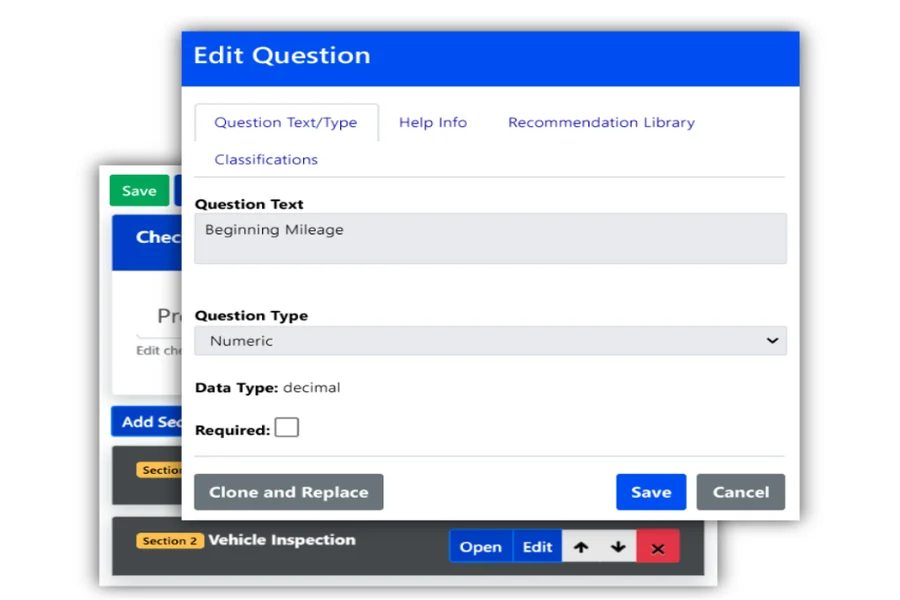
Most workplace accidents occur during maintenance or jobs involving heavy machinery, most often due to improper adherence to the correct steps or to equipment being used too early. A safety program helps control processes such as lockout/tagout (LOTO), authorization for hot work or entry into a confined space, and other safety measures with accuracy.
Ready-made templates, procedural documentation, and delegation of duties ensure that each worker is well aware of what to do before commencing a job. There is nothing left to recollection or unofficial training. Once employees strictly adhere to the written instructions each time, the risk of unexpected energization of equipment or other risks is greatly minimized.
4. Inventory Control and Asset Tracking to mitigate equipment-related risks
Poorly maintained equipment, unsafe tools, or tools with expired chemicals can be very dangerous. Using a powerful EHS management system, all pieces of equipment, including heavy machinery and even chemical stock, can be located.
Through a current inventory, organizations can ensure that equipment is checked, calibrated, or retired as required. Safety data, expiry date, and storage procedures can be associated with chemical inventories. This form of control eliminates accidents due to malfunctioning equipment, mishandling of chemicals, or lack of maintenance.
5. Ergonomics and Human Well-being: Prevention of Long-term Injuries
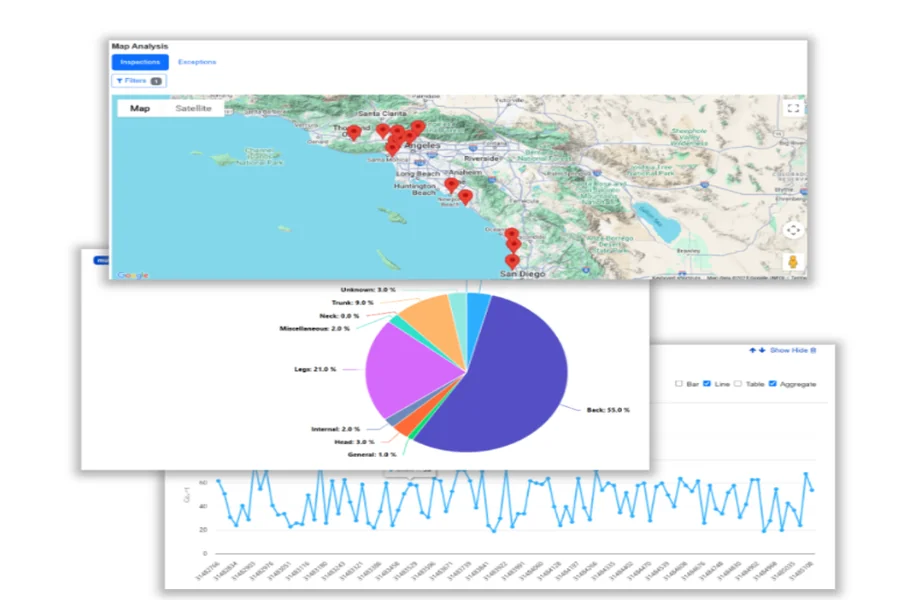
It is not only about workplace safety in terms of machinery or fire. Ergonomic design may result in repetitive strain injuries, fatigue, or chronic health issues, particularly in office or industrial settings. An entire EHS solution will consist of ergonomic assessment tools that will allow employers to assess and enhance workplace arrangements.
Periodic ergonomic assessments are used to modify work processes, posture, and workstation layout. Workers feel at ease and are well supported, reducing the likelihood of musculoskeletal disorders. This not only minimizes accidents but also reduces absenteeism, enhances productivity, and maintains high morale.
6. Data-Based Rationality and Ongoing Enhancement
Gathering information on incidents, near misses, maintenance, inspections, and corrective measures provides a strong basis for analyzing workplace safety. Dashboards and reports help organizations identify trends, such as common hazards in a given location or equipment that requires frequent maintenance.
These enlightenments enable safety management to prioritize interventions, redesign risky processes, or allocate resources where they are most important. The workplace is continually moving towards safer practices rather than responding to accidents. In the long term, this active, data-driven strategy results in fewer accidents and the development of a culture of safety.
7. Develop a Culture of Safety through Structure and Accountability
Lastly, the most significant advantage of a solid safety software is that it promotes a culture of safety in the company. By integrating inspections, procedures, asset tracking, and data analysis into a single system, everyone, including frontline workers and managers, is involved in the safety process.
Delegation of duties, monitoring of completion, recording of compliance, and reviewing of safety measures promote accountability. Employees are aware that safety is not optional or occasional; it is embedded in day-to-day activities. In the long run, this collective awareness can change workplaces and behaviors, decreasing negligence and significantly reducing the chances of accidents.
Final Thoughts
In the modern world, where workplaces are complex and risks are constantly evolving, it is no longer sufficient to rely on memory or manual processes. EHS safety software offers a well-organized, reliable, and comprehensive approach to managing safety inspections and procedures, delivering fact-based findings and ergonomic solutions.
Companies that have incorporated safety in their day-to-day activities will indeed transform their work environments into safer, more responsible working environments, and the number of accidents will be reduced, and people and business processes will be safeguarded.