
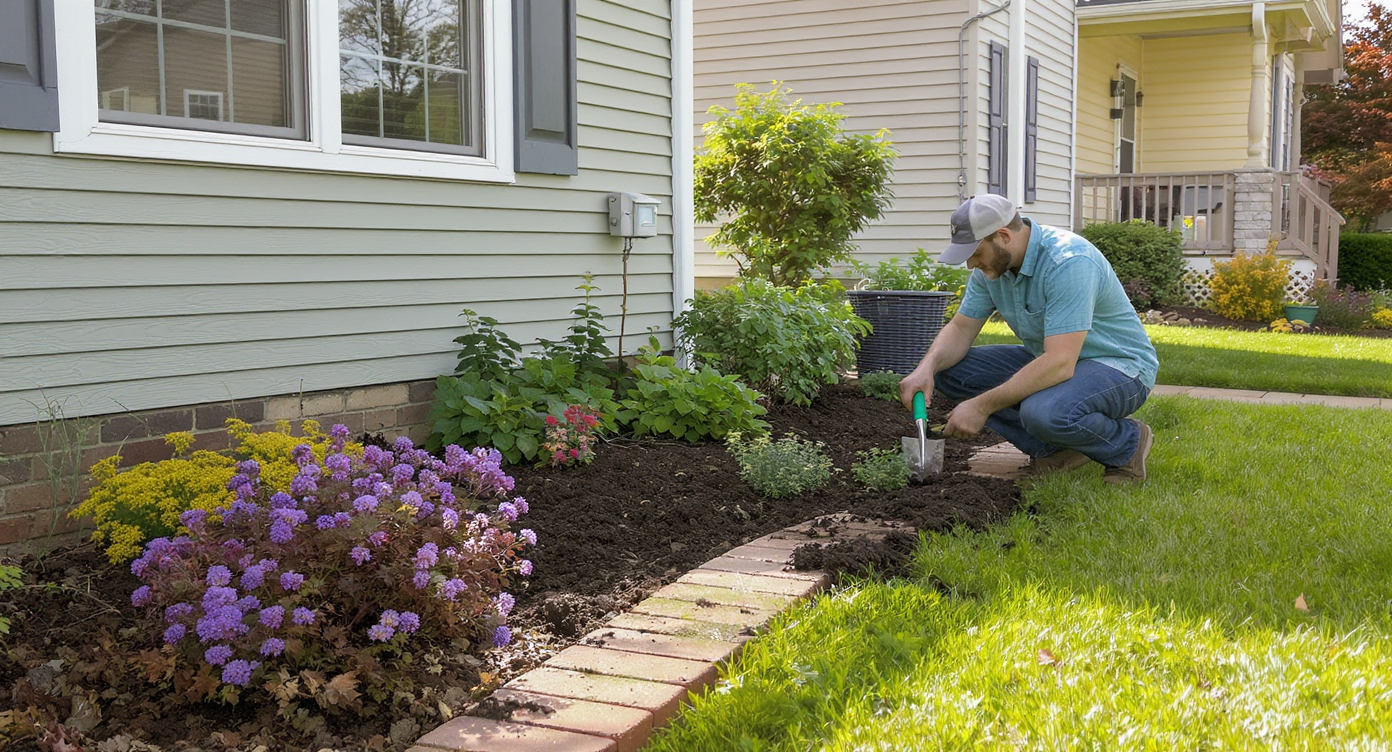

Raised garden beds can make an ordinary yard look more organised while creating better growing conditions for flowers, shrubs, and vegetables. They also make planting areas easier to maintain and help separate garden spaces from lawns and walkways. However, their location matters just as much as their appearance. A garden bed built too close to a house can create moisture problems that remain unnoticed until visible damage begins to appear.
The trouble often starts with something simple, such as soil piled against an exterior wall or a downspout emptying directly into a planting bed. Repeated watering and rainfall can keep the surrounding ground damp for extended periods. Over time, moisture may affect exterior finishes, encourage deterioration, or reveal drainage weaknesses around the building. Understanding how these problems develop can help homeowners enjoy their gardens without creating unnecessary maintenance concerns.
Why Can Raised Garden Beds Create Moisture Problems Near a House?
Raised garden beds hold soil above the surrounding ground level. While this arrangement can improve planting conditions, it may create problems when the bed is positioned directly against the house.
Soil naturally retains some moisture after watering or rainfall. When damp soil remains in contact with vulnerable exterior materials, those surfaces may experience repeated moisture exposure.
Elevated Soil Can Trap Moisture Against Exterior Walls
Exterior walls are designed to manage weather exposure, but not every part of a wall is intended for continuous contact with damp soil.
Wood siding, trim, and certain other materials can deteriorate when moisture remains against them. Soil placed above the intended exterior ground level may also conceal important construction details that help water drain away.
A planting bed may look attractive from the outside while hiding damp conditions behind its border.
Frequent Watering Can Keep the Area Permanently Damp
Plants need consistent moisture, but watering systems installed near exterior walls require careful positioning.
Sprinklers that regularly spray siding or irrigation lines that deliver excessive water can keep nearby surfaces wet longer than necessary.
The problem may become more noticeable in shaded areas where soil dries slowly. Reducing unnecessary water exposure can protect exterior materials while still supporting healthy plant growth.
What Happens When Garden Soil Covers Important Exterior Drainage Areas?
The lower portions of exterior walls often contain details that help manage moisture. Depending on the construction, these may include drainage openings, flashing terminations, or clearance between siding and the surrounding ground.
Building a raised garden bed without checking these features can interfere with their intended function.
Covered Drainage Openings Can Prevent Water From Escaping
Some masonry walls include weep holes that allow moisture inside the wall assembly to drain outward.
If raised soil or mulch blocks these openings, water may not escape as intended. This can increase moisture exposure within the affected wall assembly.
Similarly, covering the bottom edge of siding can reduce the clearance needed to protect certain materials from prolonged dampness.
Before constructing a garden bed, homeowners should identify visible drainage details and avoid burying them beneath soil or decorative borders.
How Can Roof Runoff Make the Problem Worse?
A raised garden bed does not receive water only from rainfall and irrigation. It may also collect water discharged from the roof drainage system.
Gutters gather rainwater from the roof and direct it through downspouts. If a downspout empties into a narrow planting area near the house, the volume of water can overwhelm the soil’s ability to absorb it.
Downspouts Can Concentrate Water in One Location
During heavy rainfall, a downspout may release a substantial amount of water into a small area.
When that discharge enters a raised bed, the soil can become saturated. Water may then collect against the house, overflow the bed, or travel along the foundation.
A decorative border that prevents water from spreading away can make the situation worse by holding runoff close to the wall.
Downspout extensions or suitable drainage arrangements may be necessary to direct water toward a safe discharge location.
Poor Soil Drainage Can Increase Moisture Exposure
Some soils allow water to pass through relatively quickly, while others retain moisture for longer periods.
A raised bed filled with poorly draining soil can remain wet after surrounding areas have dried.
Homeowners should consider soil composition, drainage paths, and the location of nearby building materials before deciding where a planting bed belongs.
Why Does Garden Bed Placement Matter More Than Appearance?
Garden beds often follow the shape of a house because straight borders and closely planted shrubs create a neat appearance. Unfortunately, a visually balanced layout is not always the most practical choice.
The space between planting areas and exterior walls affects maintenance access, airflow, and moisture exposure.
Leave Room for Inspection and Maintenance
A narrow gap between a garden bed and the house can make it difficult to inspect siding, identify insect activity, or notice damp areas.
Creating suitable clearance allows homeowners to observe the lower wall and carry out routine maintenance without disturbing established plants.
The necessary distance depends on the building materials, drainage design, and plants being used.
For homeowners planning substantial planting changes, professional landscapers can evaluate soil levels, growing conditions, and the arrangement of garden borders before installation begins. This may help identify situations where a bed should be moved farther from the building.
Choose Plants That Suit the Available Space
Small shrubs can eventually become dense enough to block airflow and hide the lower portions of exterior walls.
Plant selection should account for mature height and width rather than appearance at the time of planting.
Keeping vegetation away from vulnerable surfaces makes future inspections easier and reduces the need for aggressive pruning.
What Warning Signs Suggest Water Is Collecting Against the House?
Moisture problems around raised beds often develop gradually. Recognising changes in the surrounding soil and exterior finishes can help homeowners identify trouble before damage spreads.
One common sign is soil that remains unusually wet several days after watering or rainfall. Persistent dampness may indicate poor drainage, excessive irrigation, or water entering the bed from another source.
Discolouration near the bottom of exterior walls may also deserve attention, particularly when stains appear close to soil level.
Wood trim that begins peeling, swelling, or softening can indicate repeated moisture exposure. White mineral deposits on masonry may suggest that water is moving through the material and leaving salts behind as it evaporates.
These symptoms do not always originate from a garden bed. Plumbing leaks, grading problems, and other moisture sources can produce similar effects. Identifying the actual source is necessary before choosing a repair.
Can Poor Drainage Affect Gutters and Roof Edges?
Drainage problems sometimes involve more than the soil surrounding a planting bed.
A downspout may appear correctly positioned at ground level while the gutter above it has developed a blockage or leak. During rainfall, water can escape from damaged joints or overflow the gutter edge.
This uncontrolled runoff may reach planting beds, saturate the ground, and wet nearby exterior surfaces.
Why Gutter Performance Deserves Attention
Gutters need clear drainage paths and secure attachments to move water toward downspouts.
Leaves, roofing debris, and accumulated sediment can restrict water movement. Damaged seams or poorly positioned sections may allow rainwater to escape before it reaches the intended outlet.
Homeowners noticing repeated overflow near garden beds should investigate the roof drainage system rather than assuming the soil is solely responsible.
When Should Roofing Drainage Components Be Inspected?
Repeated gutter overflow, leaking joints, or water running behind gutter sections can indicate problems requiring closer examination.
These issues may become particularly noticeable when runoff repeatedly enters a raised bed and leaves the soil saturated.
Homeowners seeking expert roofing services may need an assessment of gutter attachments, roof-edge flashing, and other components affecting how rainwater leaves the roof.
A roofing inspection can help distinguish between problems originating at the roof edge and those caused by ground-level drainage arrangements.
Correcting the source of uncontrolled runoff is often necessary before modifications to the garden bed will provide lasting improvement.
How Can Existing Raised Garden Beds Be Modified?
An existing raised bed does not always need to be removed completely. Small changes may reduce moisture exposure while preserving established plants.
Lowering soil that sits against exterior siding can restore necessary clearance. Moving a border farther from the wall may create additional space for inspection and drying.
If water collects after rainfall, adjusting drainage arrangements or redirecting downspout discharge may help.
Homeowners should avoid simply adding gravel beneath a bed without considering where collected water will travel. Gravel alone does not guarantee drainage, especially when surrounding soil prevents water from escaping.
Irrigation systems may also need adjustment so plants receive sufficient moisture without repeatedly wetting the house.
Any changes should preserve suitable growing conditions while protecting vulnerable building materials.
Conclusion
Raised garden beds can improve outdoor spaces, but their placement can influence how moisture behaves around a house. Soil piled too high, excessive irrigation, blocked drainage openings, and concentrated runoff can create conditions that gradually affect exterior materials.
Preventing these problems begins with understanding where water comes from and where it needs to go. Maintaining suitable wall clearance, monitoring damp areas, and correcting drainage problems before they worsen can protect the building without sacrificing the garden.
A planting area should support healthy growth while allowing nearby surfaces to remain accessible, properly drained, and protected from unnecessary moisture exposure.