
Introduction
Building a dependable apparel printing business is easier when your equipment works as one connected system. A DTF printer, DTF oven, and heat press machine setup covers the essential stages of creating and applying full-color transfers, from printing the artwork to curing adhesive powder and bonding the design to clothing. Current DTF guides describe this workflow as print, powder, cure, press, and peel, with each stage affecting the final quality.
Purchasing the largest machine available is not the only objective. Equipment must fit your budget, workplace, production volume, and future business goals.
Choosing the Right DTF Printer
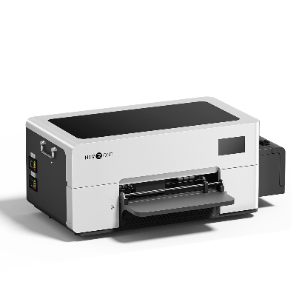
An A3 DTF printer can be a practical choice for startups and growing apparel businesses because it provides enough printing space for many common shirt and hoodie designs without requiring a large production footprint. A DTF printer for small businesses should also offer dependable ink management, straightforward software, and consistent print quality.
One useful feature is a DTF printer with white ink circulation. White ink contains pigment that can settle when the machine sits unused, so circulation or mixing systems are designed to keep the ink moving and help reduce settling-related problems.
For businesses producing multiple designs together, a DTF gang sheet printer can also improve material efficiency by allowing several graphics to be arranged on one film sheet.
Adding a DTF Oven and Powder System
After printing, adhesive powder must be applied to the wet ink and properly melted before the transfer can be pressed onto a garment. A DTF powder shaker and oven combine powder application and curing into a more controlled workflow, while an automatic DTF curing oven can reduce repetitive manual work as production increases.
The curing stage is critical because poorly melted powder can contribute to weak adhesion and transfer problems. Dedicated ovens use controlled heat without applying pressure, while a DTF powder melting machine is specifically designed around this stage of the process.
Selecting the Right Heat Press Machine
Once the transfer is cured, the heat press machine becomes the final major piece of equipment. A reliable garment transfer press should provide consistent temperature, pressure, and timing because uneven heat or pressure can affect adhesion and finished quality. A current heat-press guide recommends focusing on temperature accuracy, even pressure, and an appropriately sized platen rather than choosing a machine based only on extra features.
A digital heat transfer machine makes repeatable production easier because operators can set and monitor the required temperature and pressing time. Depending on the products you sell, apparel pressing equipment may include a standard flat press for shirts, hoodies, uniforms, and other flat garments. A flatbed garment press is particularly useful when you need consistent pressure across larger designs.
Building an Efficient Apparel Printing Workspace
A reliable setup should be arranged according to workflow: printing first, powder application and curing next, and finally, garment pressing. Keeping each stage organized helps prevent unnecessary movement and makes it easier to identify where a quality problem occurred.
For a small business, start with equipment that supports your current orders while leaving room to expand. As demand grows, automation such as powder shaking, curing, and gang-sheet production can help increase output without immediately replacing the entire system.
Conclusion
A printer is not the only requirement for a good DTF operation. The DTF printer, DTF Oven, and heat press machine combination create a complete production chain, while features such as white ink circulation, gang sheet capability, automatic curing, and digital pressing controls can improve consistency and workflow. Choose equipment according to your actual production needs, maintain each machine properly, and build your workspace around an efficient print-to-press process.