
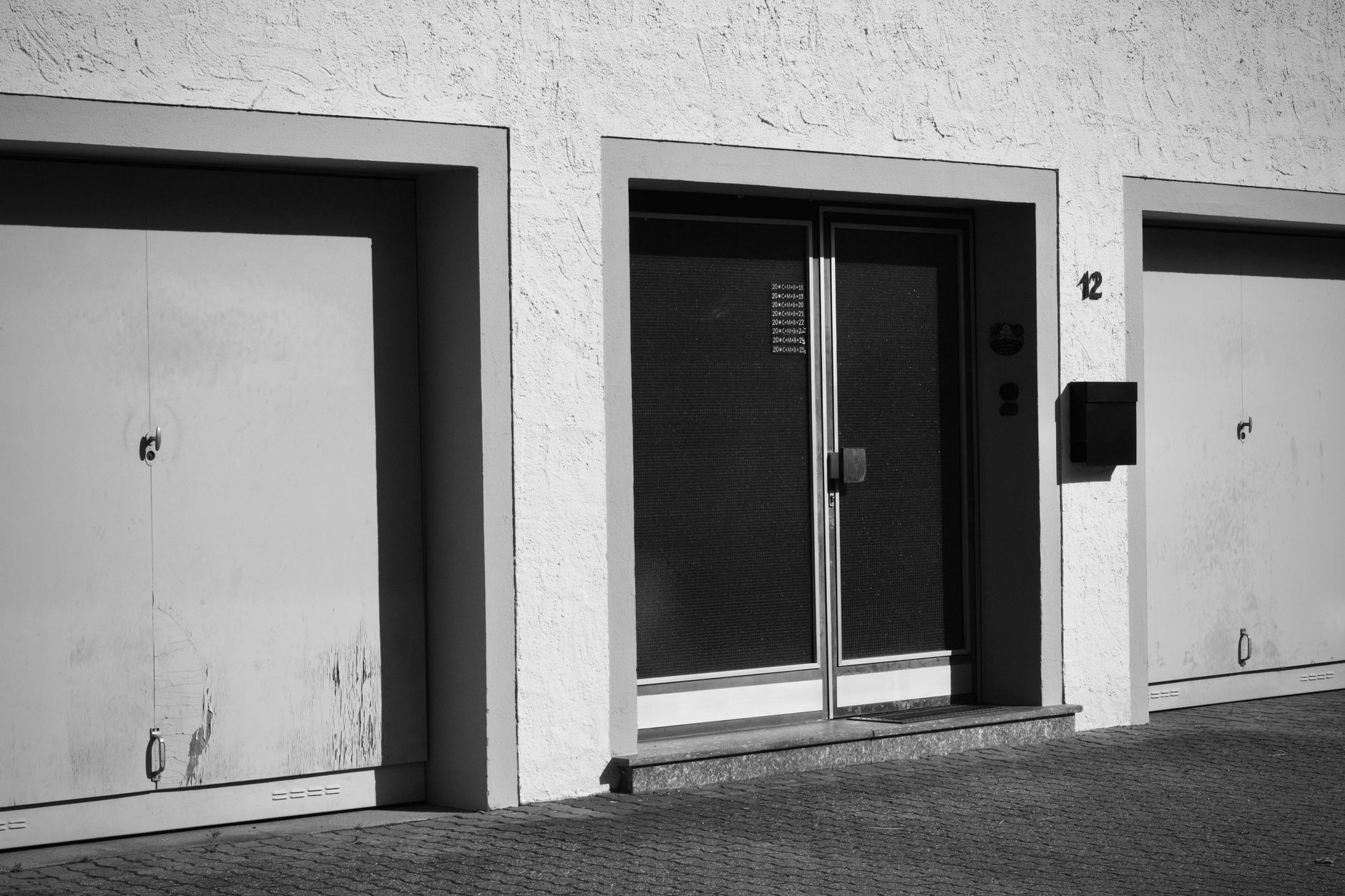
A garage door is one of the largest moving parts of a home. It affects curb appeal, security, daily convenience, and how easy it is to use the garage for parking, storage, tools, or home projects.
Before replacing or installing a garage door, measurements matter. A small mistake in width, height, headroom, or side room can create problems during installation. The door may not fit correctly, the opener may not have enough space, or the tracks may not line up as expected.
That is why homeowners should understand the basic measurements before speaking with a professional. You do not need to be an expert, but knowing what to check can make the planning process smoother.
Start With the Door Opening Width
The first measurement is the width of the garage door opening.
Measure from the inside edge of the left side to the inside edge of the right side. Use a tape measure and keep it straight across the opening. It is best to measure at more than one point, such as near the top, middle, and bottom.
If the numbers are slightly different, write them all down. Older garages may not be perfectly square, and installers need to know if the opening has uneven areas.
For homeowners planning professional Sacramento Garage Doors installation, these early measurements can help explain the project clearly before work begins.
Measure the Opening Height
Next, measure the height of the garage door opening.
Measure from the floor to the top of the finished opening. Again, check more than one area if the floor or frame looks uneven.
Most residential garage doors come in standard sizes, but not every home fits standard measurements perfectly. If the opening is unusual, a professional may need to recommend a custom size or make adjustments during installation.
The height measurement is especially important if you use the garage for larger vehicles, storage racks, or equipment.
Check the Side Room
Side room is the space on each side of the garage door opening. This area is needed for the vertical tracks and other hardware.
Measure from the edge of the opening to the nearest wall or obstruction on both sides. Do not assume both sides are the same. One side may have a pipe, shelf, outlet, storage cabinet, or wall feature that affects the installation.
If there is not enough side room, the installer may need to use special hardware or suggest changes.
Measure the Headroom
Headroom is the space between the top of the garage door opening and the ceiling or lowest overhead obstruction.
This area matters because garage doors need room for tracks, springs, and opener systems. If the headroom is limited, a standard setup may not work.
Measure from the top of the opening to the ceiling. Also check for beams, lights, storage racks, pipes, ducts, or anything else that may block the track system.
Low headroom does not always mean the project cannot be done. It simply means the installation needs to be planned correctly.
Do Not Forget the Backroom
Backroom is the space inside the garage from the door opening toward the back wall.
The door needs enough space to fully open along the ceiling tracks. If the garage has storage shelves, ceiling racks, bikes, tools, or lighting in the way, those items may need to be moved before installation.
Measure from the garage door opening to the back wall. Also check the ceiling area where the door will travel when open.
This measurement is easy to forget, but it is important for smooth operation.
Look at the Floor Condition
The garage floor can affect how well the door seals when closed.
If the floor is cracked, sloped, uneven, or damaged, the bottom seal may not sit properly. This can allow air, water, dust, pests, or leaves to enter the garage.
Before installation, check the floor along the full width of the opening. If there are large gaps or uneven areas, mention them to the installer.
A good seal helps protect the garage and improves comfort.
Check the Frame and Surrounding Walls
The frame around the garage door should be strong enough to support the new system. Look for signs of rot, cracks, soft wood, rust, water damage, or loose trim.
If the surrounding structure is weak, it may need repair before the new door is installed.
This is especially important in older homes or garages that have had moisture problems. A new door should be installed on a stable and secure opening.
Think About Opener Placement
If you plan to add or replace a garage door opener, measure and check the ceiling area.
The opener needs space in the center of the garage ceiling. It also needs access to power. If there are lights, beams, storage racks, or other obstructions, placement may need to be adjusted.
A professional installer can confirm the best opener setup, but homeowners should still check the space before the appointment.
Take Photos Along With Measurements
Measurements are useful, but photos can help too.
Take clear pictures of the garage door opening, side walls, ceiling, floor, current tracks, opener, and any obstacles. This can help the installer understand the space before visiting.
Photos are especially helpful if the garage has unusual framing, limited headroom, or storage near the ceiling.
When to Call a Professional
Basic measuring can help homeowners prepare, but final measurements should always be confirmed by a professional before ordering or installing a garage door.
A garage door must fit correctly, open safely, and work with the right hardware. Professional installation also helps avoid problems with springs, tracks, openers, seals, and alignment.
If the garage door project is part of a larger home improvement plan, a home remodeling resource can help homeowners compare project ideas and understand what kind of professional support may be needed.
Build the Project Around Accurate Measurements
A garage door upgrade can improve the look, safety, and function of a home. But the project should begin with accurate measurements.
Width, height, side room, headroom, backroom, floor condition, framing, and opener space all matter. When these details are checked early, the installation process becomes easier and the final result is more reliable.
Good measurements do more than describe a space. They help prevent mistakes, reduce delays, and make the finished garage door work the way it should.