

Why Everyday Drying Habits Matter
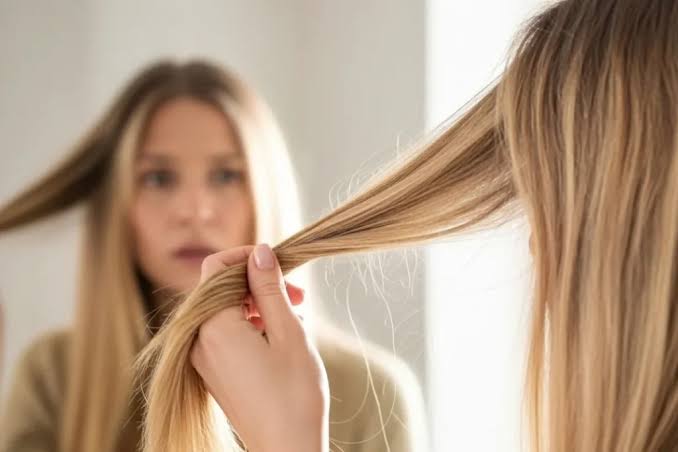
Hair damage rarely shows up overnight. It builds slowly, through repeated heat exposure, friction, chemical processing, and rough handling, until one day you notice dryness, split ends, frizz, or breakage you didn’t see coming. A hair dryer can absolutely fit into a practical, everyday routine when used thoughtfully, but the technique, temperature, distance, and frequency all play a role in how much stress your hair actually absorbs. This isn’t an argument for one method over another. It’s practical guidance for building a lower-damage drying and styling routine that you can adapt to your own hair type and lifestyle.
Understanding What Causes Hair Damage
The part of your hair you can see—the shaft—is made of keratinized fibers that, once seriously damaged, can’t repair themselves biologically. That’s why hair care tends to focus on prevention rather than reversal.
It helps to separate the different problems people lump together under “damage.” Dryness means reduced moisture and a rougher texture. Breakage means strands snapping somewhere along their length. Split ends are fraying at the tips. Hair loss is a different matter entirely—it involves shedding from the follicle itself, not damage to the shaft, even though the terms often get used interchangeably in everyday conversation.
Repeated exposure to high heat can roughen the hair’s outer cuticle layer, making it more brittle over time. Wet hair calls for extra caution, since it stretches more easily and is more vulnerable to mechanical stress—aggressive brushing or vigorous towel rubbing can make breakage worse. Chemical processes like bleaching, coloring, and straightening, along with frequent swimming or extended sun exposure, can also leave hair more susceptible to damage.
Air-Drying Versus Heat-Drying: Choosing the Lower-Risk Approach
Neither air-drying nor heat-drying is the automatic right answer for everyone. Air-drying cuts out direct heat exposure and limits the chances for thermal damage, but it has its own trade-offs: hair can stay wet for a long stretch, which isn’t always convenient, and sleeping on damp hair tends to increase friction and tangling. Wet hair also gets handled repeatedly while people wait for it to dry, and that handling introduces its own mechanical stress.
Controlled heat can be a reasonable choice when hair needs to dry quickly, when leaving it wet would mean excessive handling, or when a particular style calls for directional drying. What matters most isn’t the method itself, but moderate temperature, limited exposure time, and keeping enough distance from the scalp and strands.
Key takeaway: The least damaging routine is usually the one that minimizes heat intensity, drying time, friction, and unnecessary handling—whichever method you choose.
A Lower-Damage Drying Routine
Remove excess water gently. Press or wrap hair with a towel or soft T-shirt instead of rubbing it vigorously. You’re trying to absorb water, not create friction. Detangle carefully, starting at the ends and working your way up.
Let hair partially air-dry when your schedule allows for it. Letting hair dry partway before reaching for directed heat can meaningfully cut down total heat exposure. That said, don’t leave hair wet for extended periods if it causes tangling, or if you’re likely to go to bed while it’s still damp.
Use the lowest effective temperature. Start on a cool or low setting and only increase it if you need to. Higher heat doesn’t necessarily dry hair faster or better—it just adds more stress. Stop once hair is dry instead of continuing to blast sections that no longer need it.
Keep the heat moving. Holding hot air over one spot concentrates thermal stress in a small area. Dry hair in manageable sections and keep the airflow moving rather than lingering in one place.
Maintain distance. Hold the device several inches away from your hair instead of pressing it directly against strands. More distance means less intense heat reaching the cuticle. Treat this as a starting point to adjust based on your device’s guidance and your own comfort, not a fixed rule that applies in every situation.
Adapting the Routine to Different Hair Types and Conditions
Fine or fragile hair does better with lower heat, shorter exposure, and minimal brushing while damp. Watch for limpness or increased breakage as warning signs that you need to dial things back.
Curly or coily hair generally benefits from minimizing friction and manipulation. Indirect airflow or a diffuser attachment, where appropriate, can help preserve the natural curl pattern without resorting to aggressive brushing during drying.
Thick or long hair should be divided into sections so the outer layer isn’t getting repeatedly heated while the interior stays damp underneath. Removing excess water first cuts down overall drying time, and each section should be fully dry before you apply any additional styling heat.
Color-treated, bleached, or chemically processed hair tends to be more vulnerable to dryness and breakage. Lower temperatures, less frequent styling, and consistent conditioning matter even more here.
Picture two contrasting routines: one involving high heat, vigorous towel rubbing, and repeated passes over the same section; another using gentle blotting, partial air-drying, low heat, and continuous movement. The second approach distributes far less cumulative stress, even without guaranteeing a specific outcome for every hair type.
Supporting Hair Health Beyond Drying
Regular conditioning improves manageability and reduces friction during detangling. Heat-protective products may help by reducing friction or distributing heat more evenly, but they don’t make unlimited high-heat styling safe—use them according to the product instructions, not as a replacement for lower-heat habits. Try to limit how many hot tools you stack together, such as going straight from a hair dryer to a flat iron or curling iron. Avoid tight pulling and harsh detangling too. Cosmetic care can improve the look and feel of your hair, but it can’t reverse ends that are already split or severely damaged.
A short checklist for the essentials:
– Blot rather than rub
– Partially air-dry when practical
– Use the lowest effective heat
– Keep airflow moving
– Limit additional hot tools
Recognizing When the Problem May Be More Than Heat Damage
Some signs call for closer attention beyond simply adjusting your routine: sudden or persistent shedding, noticeable thinning at the scalp, bald patches, or scalp pain, itching, scaling, redness, or sores. Breakage that continues despite gentler care is also worth looking into further.
Breakage is not the same as hair loss. Shaft damage from heat and handling is fundamentally different from shedding caused by follicle or scalp conditions. General hair-care advice can’t substitute for an individual medical assessment, so if symptoms are persistent, sudden, or otherwise concerning, it’s worth talking to a dermatologist or qualified healthcare professional rather than chalking everything up to drying habits.
Practical Routine Checklist
- Gently remove excess water
- Detangle carefully, starting at the ends
- Let hair partially air-dry when practical
- Apply a suitable heat-protective product if desired
- Use low or moderate heat
- Keep the airflow moving and several inches away
- Stop once the hair is dry
- Limit additional hot-tool styling
Personalize this routine based on your hair’s thickness, texture, processing history, and scalp comfort—what works for one person may need tweaking for another.
Building a Sustainable Hair-Care Habit
Consistency matters more than complicated routines or expensive products. Keep an eye on your hair’s response over several weeks, watching for increased roughness, more tangling, new split ends, greater breakage, or scalp discomfort. Change one variable at a time—temperature, frequency, or towel technique—so you can actually pinpoint what’s helping. Healthier-looking hair usually comes from reducing cumulative stress over time, not from discovering one perfect tool or product.
A Gentler Approach to Everyday Styling
Excessive heat can damage hair, but small adjustments can meaningfully cut that risk down. Handle wet hair gently, use the lowest effective temperature, keep heat moving, and avoid prolonged exposure. Adapt your routine to your hair’s texture and condition, and seek professional advice for persistent scalp or shedding concerns. Gentle handling matters most when hair is wet, so that’s the best place to start. Consider taking a look at your current drying routine today and making one manageable change—blotting instead of rubbing, or simply turning the heat down—as a starting point toward healthier hair over time.