
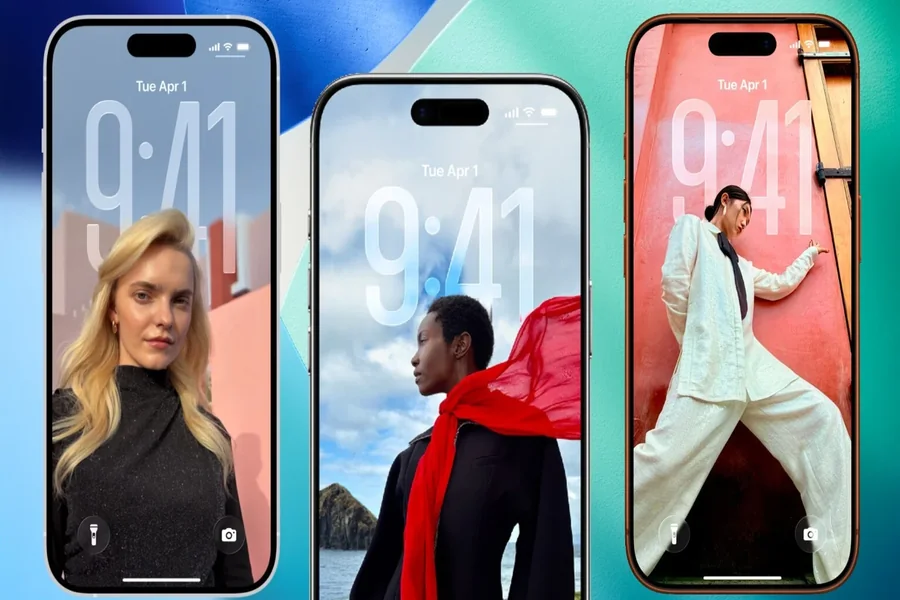

Your iPhone wallpaper is one of the first things you see every time you pick up your phone, yet most people settle for whatever came pre-loaded on their device. If you have ever wanted to create something that actually reflects your personality, your brand, or your aesthetic, you are not alone. The challenge has always been finding a tool that is powerful enough to produce something beautiful but simple enough that you are not spending hours learning a new interface. Fortunately, all-in-one iPhone wallpaper editors have evolved to a point where fast creation, seamless editing, and cross-device accessibility are no longer wishful thinking but actual features you can use today.
Why Your iPhone Wallpaper Deserves More Attention Than You Are Giving It
Before diving into tips and tools, it helps to understand why investing even a little time in your wallpaper makes a genuine difference. Your lock screen and home screen are essentially mini canvases that communicate something about you every time someone glances at your phone. For small business owners, a branded wallpaper reinforces professionalism. For creatives, it is a tiny gallery of personal work. For anyone trying to stay motivated, a wallpaper with the right quote or image can serve as a daily visual reminder.
Beyond aesthetics, a well-designed wallpaper can actually improve usability. Choosing a background that contrasts well with your app icons makes them easier to find at a glance. Dynamic or layered wallpapers can take advantage of iOS depth effects. And seasonal or rotating wallpapers keep your phone feeling fresh without requiring a major overhaul.
The problem is that many people assume creating a custom wallpaper requires design skills, expensive software, or a desktop computer. None of that is true anymore. Modern all-in-one editors have closed the gap between professional design tools and everyday users, making it easier than ever to produce something polished in minutes rather than hours.
What to Look for in an All-in-One iPhone Wallpaper Editor
Not all editors are created equal, and knowing what features to prioritize can save you a lot of frustration. The best iPhone wallpaper editors share a few core characteristics that separate them from basic photo filters or simple cropping apps.
Cross-device syncing is arguably the most important feature if you work on more than one device. Whether you start a design on your desktop during a lunch break and want to tweak it on your phone before setting it as your wallpaper, or you collaborate with someone else on a shared design, seamless syncing means your work follows you without extra steps.
Template libraries are another major time-saver. Starting from a blank canvas every time is fine if you enjoy the process, but templates designed specifically for iPhone dimensions give you a head start. They already account for screen ratios, safe zones around the status bar, and areas where icons will sit on the home screen.
Export options matter more than people expect. A good editor lets you download your finished wallpaper in the correct resolution for your specific iPhone model, which prevents blurry or stretched results. Look for editors that support both lock screen and home screen dimensions, since iOS treats these differently.
10 Tips for Creating Stunning iPhone Wallpapers Faster and Easier
1. Start With the Right Dimensions
One of the most common mistakes people make is designing a wallpaper without checking the pixel dimensions for their specific iPhone model first. iPhone screens vary in resolution across generations, and starting with the wrong canvas size means you will either lose detail or end up with a blurry result. Before you open any editor, look up your phone model and note the exact screen resolution. Most modern iPhones use a resolution of 1170 x 2532 pixels or similar, but this changes across the lineup. Starting correctly saves you from having to resize and re-export later.
When you use a platform built specifically for wallpaper creation, this step is often handled automatically. Templates are pre-sized for iPhone screens, which eliminates the guesswork entirely. If you are working in a more general design tool, create a custom canvas using your device’s resolution before adding any design elements.
2. Use an All-in-One Tool Built for Speed
Jumping between multiple apps to design, export, and optimize a wallpaper adds unnecessary time to the process. An all-in-one editor lets you choose a template, customize it, and export it in the correct format without ever leaving the platform. Adobe Express is one of the strongest options available for this workflow. Its dedicated iPhone wallpaper maker gives users access to templates sized for iPhone screens, a full suite of customization tools, and the ability to access and continue projects across desktop and mobile devices. Whether you are building something from scratch or personalizing an existing template, the entire process lives in one place.
The advantage of a platform like this extends beyond convenience. When your design, text editing, image adjustment, and export features all exist within a single interface, there is less friction in the creative process. You can iterate quickly, try multiple versions, and land on something you genuinely love without the frustration of toggling between tools.
3. Keep Your Design Readable Behind App Icons
A visually stunning wallpaper can become a functional nightmare if it makes your app icons hard to find. High-contrast patterns, busy photography, and text-heavy designs all compete for visual attention with the icons sitting on top of them. When designing your wallpaper, consider where your most-used apps live on your home screen and make sure the area beneath them has enough contrast for the icons and their labels to remain legible.
A practical approach is to use a bold, detailed design on the lock screen and a simpler, lower-contrast version for the home screen. This gives you visual interest where it counts without sacrificing everyday usability. Gradient backgrounds, solid color blocks, or soft abstract textures tend to work well as home screen wallpapers because they provide a clean backdrop without visual noise.
4. Take Advantage of Depth Effects on iOS
iOS supports a parallax depth effect for wallpapers, where the background shifts slightly as you tilt your phone, giving a layered, three-dimensional appearance. Designing with this in mind can make your wallpaper feel dynamic and alive rather than flat. The key is to leave enough visual breathing room around your main subject so that the motion does not cut off important elements at the edges.
To get the most out of this feature, avoid placing critical design elements too close to the outer edges of your canvas. Elements near the center tend to stay most visible regardless of tilt. If your editor allows layering, placing a foreground element and background element at different visual depths enhances the parallax effect further.
5. Choose a Color Palette That Matches Your Mood or Brand
Color is one of the fastest ways to communicate a feeling, and your wallpaper sets the emotional tone every time you unlock your phone. Rather than choosing colors randomly, consider how you want your phone to feel. Warm earth tones create a calm, grounded atmosphere. Bright, saturated colors feel energetic. Monochromatic palettes look modern and minimal.
If you use your iPhone for business, aligning your wallpaper colors with your brand palette is a small but meaningful way to stay consistent across your visual identity. Pull your primary brand color as a background tone and use complementary shades for any design elements. The result is a wallpaper that feels intentional rather than generic.
6. Use Typography Thoughtfully
Text-based wallpapers are incredibly popular because they let you keep an affirmation, goal, or meaningful quote in constant view. But typography can make or break a design depending on how it is used. Font choice, sizing, spacing, and placement all contribute to whether a quote reads as polished or cluttered.
Stick to one or two complementary fonts. A bold display font for the primary phrase paired with a simple serif or sans-serif for a secondary line is a combination that almost always works. Make sure the text sits in a visually clear area of the composition, particularly if you are planning to use it as a lock screen where notification banners may appear at the top.
7. Edit Across Devices Without Losing Progress
One of the biggest workflow advantages modern editors offer is the ability to pick up exactly where you left off, regardless of which device you are using. If you start designing on a laptop and want to make a final color tweak on your phone before exporting, a good all-in-one platform will keep your project exactly as you left it.
This matters especially if you tend to do your creative work in bursts. Being able to revisit a design, adjust a single element, and save or export without going back through the entire process is a genuine time-saver. When evaluating an editor, look for automatic project saving and cloud-based storage as standard features rather than optional upgrades.
8. Save Multiple Versions for Different Seasons or Moods
Rather than designing one wallpaper and sticking with it indefinitely, build a small collection of wallpapers you can rotate. Seasonal wallpapers give your phone a refresh without requiring you to design something new from scratch every time. Create a spring version, a winter version, a “focused work mode” version, and a casual weekend version using the same general layout but varying the colors, imagery, and fonts.
Most cloud-based editors let you duplicate an existing project and modify it, which makes building variations fast. Start with a design you love, duplicate it, and swap out the color palette or background image. In twenty minutes you can have four to five distinct wallpapers ready to use throughout the year.
9. Use High-Quality Images to Avoid Blurriness
If your wallpaper design includes photography, the quality of that source image matters significantly. A low-resolution photo that looks fine on a small thumbnail will appear pixelated and blurry at full iPhone screen resolution. Always source images at the highest resolution available, and choose photos where the main subject is sharp rather than relying on compression-heavy images from websites.
Many all-in-one editors include access to stock photo libraries, which can be a valuable resource when you want something professional without needing to take or purchase your own photography. These libraries typically offer images at resolutions suitable for screen use, which removes the guesswork from the image selection process.
10. Preview Before You Set It
Before committing to a wallpaper, preview it as closely as possible to how it will actually look on your phone. Some editors offer a mockup view that shows your design within a phone frame, giving you a realistic sense of scale, proportion, and how the design interacts with the iOS interface elements like the clock, date, and notification badges.
Take the time to evaluate both the lock screen and home screen views. A design that works beautifully as a lock screen might feel too busy once app icons are layered on top of it. Previewing both contexts before you export prevents the frustration of setting a wallpaper, noticing a problem, and having to go back into the editor to fix it.
How to Set Your Custom iPhone Wallpaper Once Your Design Is Ready
Once your wallpaper is designed and exported, the process of setting it is straightforward but worth walking through to make sure everything looks as intended. Open the Photos app on your iPhone and locate your exported wallpaper. Tap the share icon in the bottom left corner and select “Use as Wallpaper.” You will then see a preview with options to zoom and position the image. Choose whether to set it as your lock screen, home screen, or both, and confirm your selection.
If you are using iOS 16 or later, you have additional customization options built directly into the lock screen. You can layer widgets, adjust font styles for the clock, and assign specific wallpapers to different Focus modes, meaning your phone can automatically switch to a “work” wallpaper when you activate Work Focus and a more relaxed wallpaper during personal time.
FAQ
What is the easiest way to make an iPhone wallpaper without design experience?
The easiest approach for anyone without a design background is to start with a pre-built template in an all-in-one editor rather than starting from a blank canvas. Templates designed for iPhone wallpapers are already sized correctly and organized in a way that looks professional from the start. From there, personalizing a template requires nothing more than swapping out colors, fonts, and images to match your taste. The learning curve is minimal, and because the layout structure is already in place, it is very difficult to produce something that looks unpolished. Tools with drag-and-drop interfaces eliminate the need for any technical knowledge, making the process genuinely accessible to beginners.
Why does my wallpaper look blurry after I set it on my iPhone?
Blurriness almost always comes down to image resolution. If the source file you designed or exported is too small for your iPhone’s screen resolution, iOS will stretch the image to fill the display, which degrades the quality significantly. The solution is to ensure you design at the native resolution of your specific iPhone model and export at the highest quality setting available in your editor. Additionally, some file formats compress images more aggressively than others. Exporting as a PNG rather than a heavily compressed JPEG typically preserves sharpness better, especially for designs that include sharp text or geometric elements.
Can I use the same wallpaper design on both my iPhone and iPad?
You can use the same design, but the aspect ratios of iPhone and iPad screens differ, which means a wallpaper optimized for one may appear cropped or stretched on the other. The best approach is to design separate versions sized for each device. Many all-in-one editors make this easy by letting you duplicate a project and resize the canvas, automatically adjusting the layout to fit the new dimensions. If you want a consistent visual identity across devices, keeping the same color palette, fonts, and imagery while adapting the composition to each screen size is the most reliable strategy.
How do I make a wallpaper that works well with iOS widgets?
Widgets introduced a new layer of visual complexity to the home screen, and designing a wallpaper with them in mind requires thinking about contrast and visual hierarchy. The areas where your widgets will sit should have a background that provides enough contrast for the widget content to be legible, whether those widgets show the time, your calendar, battery level, or something else. Solid backgrounds, soft gradients, or textures without strong patterns typically work best behind widgets. It also helps to plan your wallpaper around where your widgets are positioned before you finalize the design. For a deeper look at how to organize your home screen layout for usability and aesthetics, resources like the r/iOSsetups community on Reddit offer real-world examples from other iPhone users that can spark ideas and show what actually works on screen.
Is it possible to create animated or live wallpapers using an online editor?
Animated and live wallpapers are a specialized category that most standard online editors do not currently support for direct creation, since they require video or motion formats rather than static images. However, some editors allow you to create short looping animations or export designs as GIF or video files, which can then be converted to live photos using third-party apps on iOS. The process involves a few extra steps, but it is entirely achievable. For most people, a high-quality static wallpaper designed thoughtfully will have more visual impact than a low-effort animated one, particularly when the animation cycle is short or repetitive.
Conclusion
Creating a custom iPhone wallpaper no longer requires professional design skills, expensive software, or hours of your time. With the right all-in-one editor, the process is fast, intuitive, and accessible across every device you use, meaning you can start a project at your desk and finish it on your phone without skipping a beat. The tips covered in this article, from starting with the correct dimensions to designing with iOS widgets and depth effects in mind, give you a solid foundation for producing wallpapers that are both beautiful and functional.
The best wallpaper is one that feels genuinely yours, whether that means a branded palette for your business, a motivational quote you revisit daily, or a piece of art that brings you joy every time you pick up your phone. With tools built specifically for this purpose and a clear understanding of what makes iPhone wallpapers work visually, there is no reason to settle for the default. Start designing, iterate quickly, and enjoy a phone that finally looks the way you want it to.