
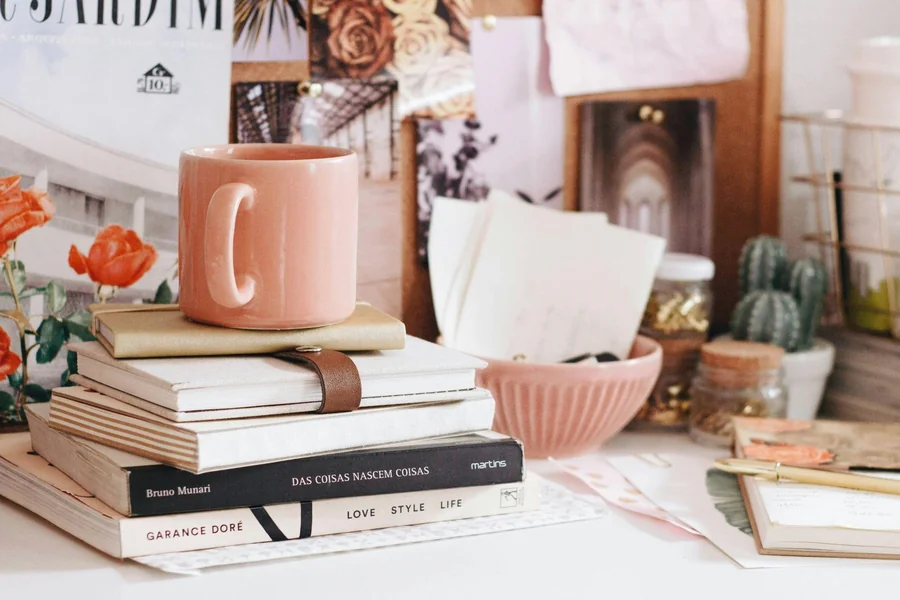

Language often reflects the way people live. Expressions, idioms, and phrases that become part of everyday conversation frequently emerge from shared habits, cultural shifts, and evolving lifestyles. When people talk about routines, relaxation, beauty rituals, or small indulgences that shape their daily lives, these conversations gradually influence the words and expressions that circulate in popular culture.
Online platforms dedicated to language insights often explore how everyday experiences influence communication. From expressions about health and balance to phrases that describe relaxation and self-care, language evolves alongside the habits people adopt in modern life.
How Daily Habits Influence Language
Many idioms that exist today originated from everyday activities. Expressions about food, rest, or personal care frequently reflect habits that were once central to daily routines. Over time, these phrases moved beyond literal meanings and became symbolic ways of describing emotions, experiences, or states of mind.
For example, expressions related to relaxation or comfort often stem from routines people associate with unwinding at the end of the day. Similarly, phrases about renewal or starting fresh may be connected to morning habits or personal care rituals.
Language scholars often note that idioms capture cultural priorities. When certain practices become widely discussed, such as mindfulness, wellness routines, or beauty care, they gradually appear in metaphors and conversational language.
Research from linguistic organizations like the Oxford English Dictionary has shown that everyday lifestyle topics frequently inspire new idiomatic expressions and colloquial phrases.
The Rise of Lifestyle Conversations Online
In the digital age, conversations about lifestyle trends spread quickly across blogs, magazines, and social media platforms. Topics that were once discussed only in niche communities now appear regularly in mainstream publications.
This shift has expanded the range of subjects that influence everyday language. Beauty routines, wellness habits, and relaxation practices are no longer purely personal matters; they have become part of broader cultural dialogue.
Writers exploring lifestyle topics often examine how people experiment with different routines, whether that involves skincare, diet, or evening relaxation rituals. These discussions frequently introduce readers to terminology that later becomes part of casual conversation.
For instance, individuals exploring modern relaxation products may come across resources discussing different infused treats while researching thc gummies, a category of edibles that has gained attention in contemporary wellness discussions. As people talk about these products online, the language used to describe them gradually becomes familiar in broader cultural conversations.
In this way, everyday lifestyle choices can indirectly shape how people speak about comfort, indulgence, and relaxation.
Skincare Terminology Entering Everyday Speech

Beauty and skincare routines have also contributed significantly to modern vocabulary. Over the past decade, discussions about skincare ingredients and treatment methods have moved far beyond dermatology clinics and beauty salons.
Terms once used primarily by skincare professionals now appear regularly in online articles and casual discussions. Words such as “exfoliation,” “hydration barriers,” and “active ingredients” have become part of everyday beauty conversations.
One concept that has gained attention in recent years is skin cycling, a routine that involves alternating skincare treatments across several nights. Readers curious about the differences between this approach and more traditional nightly treatments often explore explanations like skin cycling vs retinol, which examine how structured routines can influence the way certain ingredients are applied.
As skincare discussions become more widespread, the language surrounding these routines increasingly appears in everyday dialogue. Phrases about “giving the skin a break” or “rotating treatments” now extend beyond professional beauty advice and enter casual conversation.
This demonstrates how specialized terminology can gradually evolve into common language once it becomes widely understood.
Cultural Curiosity and Expanding Vocabulary
Modern media environments encourage constant exploration of new ideas. Readers move easily between articles about health, beauty, lifestyle products, and cultural observations, absorbing terminology along the way.
Because of this, vocabulary expands quickly. Words that were unfamiliar only a few years ago can become widely recognized once they appear in repeated discussions across blogs, social media posts, and editorial features.
Language experts often observe that curiosity drives vocabulary growth. When people encounter new products, technologies, or routines, they naturally adopt the terms used to describe them. Over time, these words settle into everyday language.
This process has happened repeatedly throughout history. Industrial changes introduced new mechanical vocabulary, technological advances created digital terminology, and modern wellness trends continue to add new expressions to contemporary speech.
Each new area of cultural interest brings with it a small wave of linguistic change.
Why Language Reflects Lifestyle
Language functions as a mirror of society. When priorities shift, vocabulary shifts as well. Topics that capture public attention, whether they involve technology, beauty, relaxation, or health, gradually influence the way people communicate.
Lifestyle conversations are particularly powerful because they touch on everyday experiences. When people discuss routines that help them relax, improve their skin, or enjoy small comforts, these experiences naturally become part of shared cultural language.
Editorial publications often document these changes by analyzing the phrases and terms that appear repeatedly in reader conversations. Over time, these observations reveal how closely language and lifestyle remain connected.
Understanding this relationship helps explain why seemingly unrelated topics, from beauty treatments to relaxation products, can influence the way people speak.
In the end, idioms and expressions rarely emerge from abstract ideas alone. They grow out of daily habits, shared experiences, and the evolving routines that shape modern life.