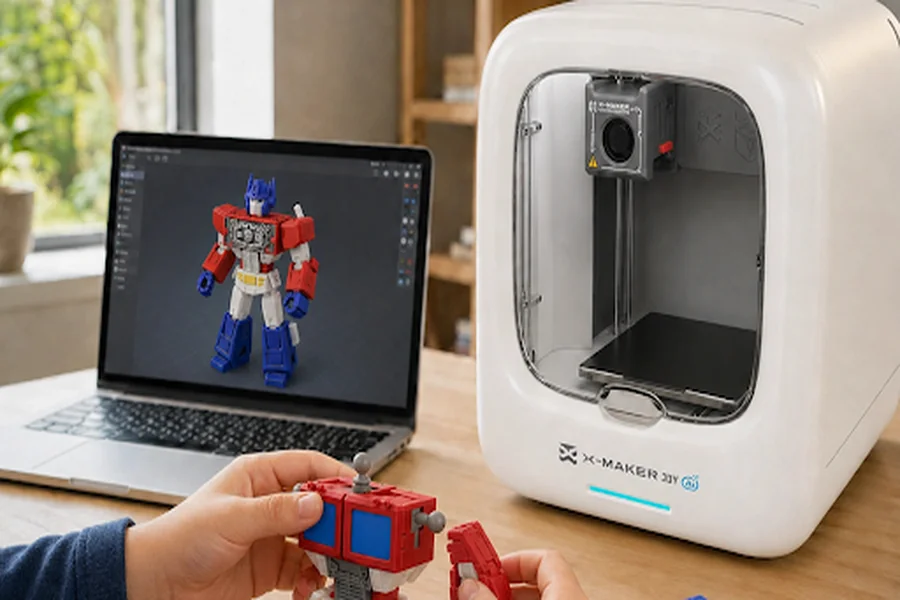
My daughter could tell me what she watched yesterday. She could not tell me what it was about. Watching asked very little of her. Making asked for more. When she built something, she picked the model herself. A part that did not fit was changed before she tried the build again.
She was not unusually talented either. It was about a normal afternoon with a project on the table. The project gave her a reason to pay attention.
Why Doing Beats Watching
Watching is smooth. Nothing goes wrong and nothing asks the child to decide. When she only watched, the steps stayed outside her. Doing slowed the process down, with each step done by hand and checked before she moved on.
The link between hands and memory
Her hands remembered the project. Her eyes caught up later. A piece that would not fit stayed in her fingers. A piece that fit well felt different from the rest.
A small test at the kitchen table
We tried a short test with a simple build. It was a small phone stand. I asked her to build it. We put it away for two days. Then she described how she made it. She walked through the steps in order. She included the step that went wrong.
What Children Remember From a Finished Object
Her finished name tag sat on her desk. She saw it every day.
Mistakes that stay useful
Mistakes in a making project are easy to see, and that is a good thing. A wall that is too thin bends when pressed. Her lid was too tight to close. She held the problem. She worked out what to change.
When the second try works
Her second try is where most of the learning happened. She changed one thing. It was a wider base. She tested the new version against the old one. The new version worked better. She knew exactly why.
Choosing a Project That Fits the Child
Her project worked best when it fit her. A younger child needs something short. It needs a clear end. Older children last longer on a build. They can leave a build unfinished overnight without losing interest. Parents who want to compare models for different ages can start with AOSEED, where the kids printers are grouped for family use and cover first projects as well as longer builds.
Her age mattered less than what she liked when a project had to hold her. She liked drawing. She made a small sign with her name on it. She liked building too. She built a holder. Its parts fit together. The project matched what she cared about. She stayed with it longer.
Start small, then add a step
Her first project was small enough to finish in one sitting. A short win gave her a reason to try a longer project next time. Next came one new step.
Gifts That Teach Without Feeling Like School
Her best teachers there never looked like schoolwork. She picked the goal. Something happened on the same day. Nobody handed out a grade. Removing one part changed how the gift felt. Without it, a loved kit started to feel like homework.
Timing mattered too. Her gift that took weeks to show any result went back in its box. Her gift that gave a finished object in one afternoon gave her a story to tell the same evening. Retelling the steps helped them settle. That same evening story helped me see what she understood.
I wanted to avoid buying something used once, then ignored. I looked for gifts with room to grow. A simple first project led to a second project. It was a little harder. It used the same tools.
Her gift asked her to plan a shape before printing. It taught patience. She thought through the shape first. Then the size. Then the parts that would hold it together. She worked all of that out before the printer started. That planning step was often skipped with ready made toys. The shape was already decided.
Showing it to someone else made the gift work better for her. One object went to her grandparent. A waiting recipient gave the project purpose beyond the desk. She explained what she made. That explanation was a second round of learning on its own.
That is why her first gift project ended with something she could keep or give away. Not just a test piece that went in a drawer.
This is why lists of educational Christmas gifts for kids are worth reading slowly rather than skimming for a price. The useful lists grouped gifts by the skill they built. Measuring. Planning a shape. Testing an idea. They suggested one activity to try in the first week.
A short checklist helped us before buying. First, can the child pick the goal? Second, will something be finished on the same day? Third, does a mistake show up clearly enough to fix?
Keeping the Habit Going After the First Week
The first week is easy because everything is new. The second week is where a habit forms or fades. A regular making time helps more than a long making time. We kept it to twenty minutes after school. Twice a week. That beat one long weekend session.
Conclusion
She remembered what she made because making joined thinking to doing. She chose. She tried. She found the fault and fixed what was wrong.
For a child this year, a phone stand or a name tag is a good first project. The choice of what to make should stay with the child. A first try that goes wrong still teaches something.