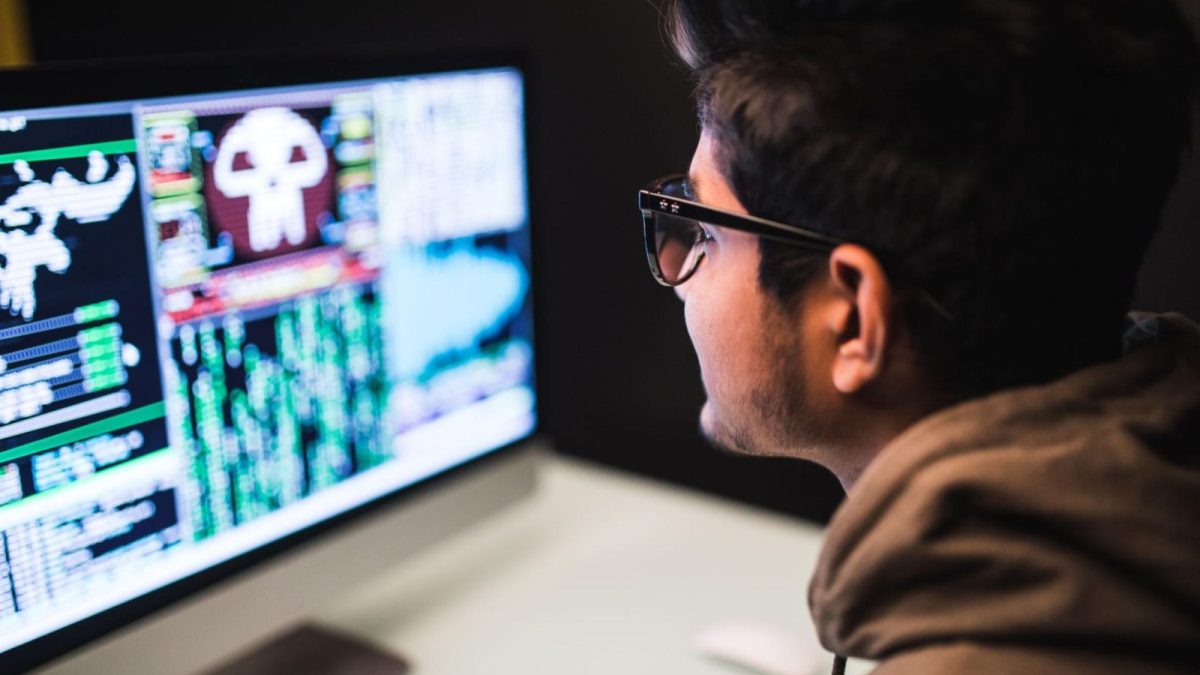
The advancements in artificial intelligence (AI) enable video game developers to localize thousands of subtitles, menus, dialogues, and quest descriptions faster than ever before. However, faster does not necessarily mean better. Playing an adventure game in which a puzzle quest provides confusing instructions or a funny joke falls flat can be an unpleasant surprise, even for the best game.
That is why game translation still requires human localization testing. While AI can speed up the process of bringing game content to a new region, localization testing by experienced linguists and game testers helps maintain the quality of the translated video game.
For developers aiming to bring their game to a global audience, the combination of cutting-edge technology and professional human expertise is the best choice to deliver a consistently enjoyable experience to players in different regions.
What is Game Translation?
Game translation is the process of localizing a game’s content in another language. A professional game localization service typically includes translating the game’s content into the destination language while adapting the language, terms, and concepts to better suit the culture and expectations of the target audience.
A competent game localization process includes translating all types of text, such as character dialogue, subtitles, menus, tutorials, item descriptions, missions, achievements, and in-game notifications. It also incorporates adapting cultural references, humor, personality, and terms used in dialogue, mission briefings, and other game text. Unlike website or document translation, game localization needs to consider the context of each term and phrase.
When a video game’s translation is done incorrectly, the game’s immersion, quality, and ability to deliver the intended message can be negatively impacted. That is why many developers utilize human game testers to ensure that the translated game is enjoyable and free of localization issues.
Why AI Translation Cannot Replace Human Game Localization Testing
AI Can Fail to Understand Context and Meaning
AI-driven game translation techniques might fall short of delivering reliable outcomes due to the absence of context and meaning of a certain phrase during the translation process. The implication of each word or phrase should be kept in mind by game developers and translators during the localization process. Games include a lot of terms that sometimes may vary depending on the environment and specific characters. Human testers will be able to interpret their meaning and ensure the consistency of the meaning of each phrase or word in the translated game. AI-based tools will have difficulties with the translation of words that have more than one meaning or which are used in different contexts.
Cultural References Require Human Expertise
For developing immersion for the gaming audience, games frequently include cultural references, such as jokes, sayings, and historical references. Since these types of references are used to convey humor and other emotion-evoking content, they must be addressed with extra care during the game localization process.
When localizing jokes and culturally-specific references, human testers can confirm that the humor resonates with the target audience. A reference that is understood and appreciated by the source audience may fail to resonate with players in another region. Human game localization testers can advise on the best approach to address such challenges. In some cases, they may suggest replacing a potentially confusing reference with a similar joke or expression that is more familiar to the target audience.
Character-Specific Dialogue Should Be Natural-Sounding
One of the most important aspects of game localization is bringing the game’s characters’ personalities across in their translated dialogue. Since different characters typically have significantly different personalities, the way they speak should be reflected in the language, tone, and sentence structure.
Incorrect game dialogue localization can drastically change the impression of a game. A normally funny or mischievous character can become creepy if their unique personality trait is not properly conveyed in the target language. Human localization testers play a significant role in the game dialogue localization process. They ensure that the translated character-specific dialogue reflects the characters’ personalities, feelings, and intentions.
How Can Human Localization Testing Help Improve the Quality of a Game?
Linguistic Testing Can Identify Translation Issues
Linguistic game localization testing focuses on the accuracy and natural-sounding quality of the game in the target language. During the linguistic testing process, localization testers identify issues with grammar, spelling, punctuation, and sentence construction. They also make sure that the translated text does not contain any inaccuracies in terminology and character-specific names. This type of game localization testing is important for dialogue, since it has to convey specific meaning and provides critical information about the game’s story and mechanics. Once localization testers identify and document translation-related issues, the game developers can make the necessary changes.
Functional Testing Can Identify Interface Inconsistencies
While a line of text may appear correctly translated on a page, the same text may be improperly displayed in the game. Since different languages have different writing systems and characters, certain symbols and special characters may not appear correctly in the translated game.
Localization testers address this type of challenge during functional game localization testing. They make sure that translated text displays correctly on various gaming platforms and devices. Functional testing is especially important for proper display of subtitles, menus, and in-game instructions, as poor display of these elements can negatively impact the gaming experience.
Cultural Testing Ensures Localized Content is Appropriate
Cultural game localization testing addresses localization and adaptation issues related to the game’s content and references. Testers check that the game’s content, themes, and presentation are appropriate and relevant to the target audience. They also look for potentially offensive terms or phrases in the game’s text. This type of game localization testing deals with cultural and contextual nuances; it is valuable for role-playing, sports, historical adventure, and story-driven games. Due to the nature of these genres, the content of such games has to be adjusted in accordance with the regional cultural differences. By thoroughly analyzing the game’s content and identifying potentially challenging terms and references, localization testers help game developers make the necessary adjustments prior to the game’s release.
How Can a Game Translation Company Help?
Working with an experienced game translation company can help developers get their game content accurately translated and localized for multiple languages and cultures. The right game translation company can recommend the best localization strategy and provide professional translation and editing services.
A competent translation company will also have professional localization translators and testers who understand the intricacies of different languages and cultures, as well as the specifics of the game localization process. When looking for a professional game translation service, developers should research the companies’ gaming localization expertise, native language fluency, terminology management practices, and in-game testing capabilities.
Professional video game localization services are essential for games that are available in multiple languages and frequently updated with new content. When a game receives regular updates, including new missions and story elements, all of the additional text must be consistent with the rest of the game’s terminology and presentation.
A professional game localization service can also help developers by making the text of their localized game correct, natural-sounding, and easy to understand. By utilizing professional localization translators and testers, developers can address the most common issues associated with game translation and localization. Developers can ensure that their game translation services are competent by asking for references and examples of linguistic and functional game localization testing.
Best Practices for Combining AI Translation and Human Game Testing
When developing a video game that will be localized for multiple languages, developers should take advantage of the strengths of both AI translation and human game testing. Below are a few best practices for leveraging the benefits of both approaches.
Preparation of the Source Content
Before starting with the localization of the game, the developers need to prepare the source content and also give any further guidelines required by the localization team. This process includes organizing the content of the game into different categories, giving the information about the characters, and any further context regarding what particular words may mean.
Using AI Translation Tools
Once the source content has been prepared, developers can utilize AI translation tools to translate the game content. Developers should work with qualified localization professionals to ensure that the translated content is accurate, natural-sounding, and culturally appropriate.
Linguistic and Functional Testing of the Localized Game
Once the game content has been translated, the localization testers should perform a thorough linguistic and functional test of the localized game. They will address any localization issues, including text display problems, grammatical errors, and other issues that may affect the gaming experience. Once the testers document the issues, the developers can work on resolving them and retesting the content prior to the game’s launch.
Review of Community and Player Feedback
Following the launch of the localized game, the developers should analyze the feedback provided by the game testers and the general audience. Community and player feedback can provide extremely valuable insights, including feedback on the game’s localized content.
Frequently Asked Questions
Why does AI game translation need human testing?
AI translation tools can make numerous errors when localizing a game due to the complexity and nuance of the gaming content. Human testing can identify such errors and ensure that the localized game is of high quality.
How do you test AI-translated video games?
To test the accuracy of AI-translated video games, utilize a combination of linguistic, functional, and cultural testing. Examine the game’s context, dialogue, subtitles, menus, instructions, and other elements for potential issues.
What does a game translation company provide?
A game translation company can provide a wide range of professional game localization services, including translation, editing, linguistic quality assurance, and functional testing. The services may vary depending on the game content, the source and target languages, and the gaming platform.
Can AI replace human video game localization services?
AI can assist with game localization, but it cannot guarantee a seamless gaming experience due to its limited capacity for contextual and cultural analysis. Human localization testers are essential for linguistic quality assurance and functional game testing.
Conclusion
The speed at which the process of game localization through AI takes place is another benefit of using artificial intelligence in the process, although it may affect the quality of the result. Incomplete game localization will be evident in the form of unnatural dialogue, incorrect use of terminology, and many more aspects that players may spot. Professional human localization testing can resolve this issue.
For developers aiming to launch their game internationally, the combination of AI-driven translation and human localization testing can help them achieve their goal without damaging the game’s quality or incurring additional expenses. Developers can maintain consistency across all languages and cultures by using professional game localization services. They can also ensure that their game’s localization conveys the intended message and maintains the game’s intended quality.
Planning to launch your game internationally? Explore game translation and localization solutions from MarsTranslation to help you prepare your multilingual content and bring your game to global audiences.