
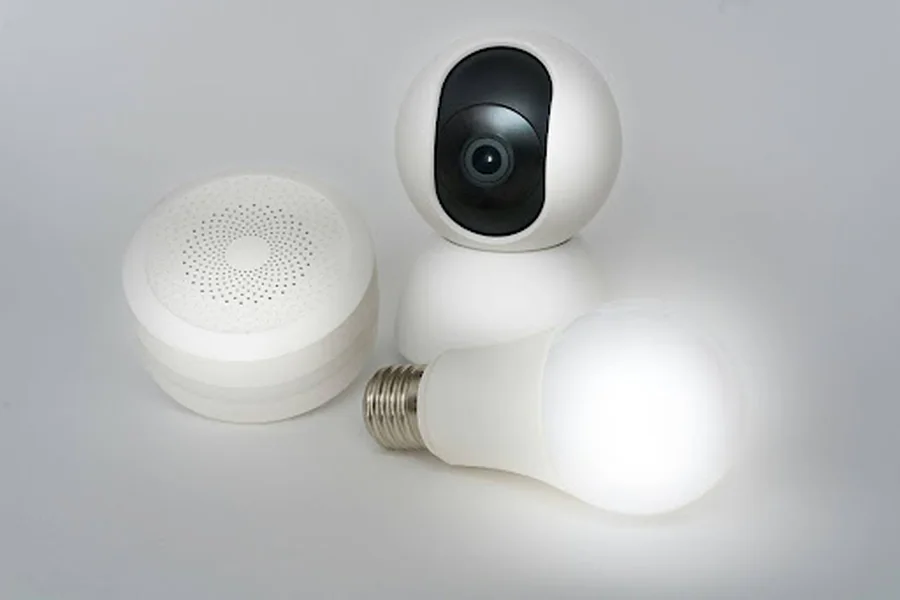

Energy is no longer something homeowners think about only when bills arrive or outages occur. It has become a central part of how homes function, influencing comfort, reliability, and long-term planning. As systems become more advanced and accessible, there is a noticeable shift toward solutions that give homeowners greater control over how energy is produced, stored, and used. This evolution is not limited to off-grid living, it reflects a broader movement toward resilience and smarter resource management in everyday environments.
The Shift From Passive Consumption to Active Control
Traditional homes rely heavily on centralized energy systems, where power is supplied externally with little visibility into how it is generated or managed. This model is gradually being replaced by one that emphasizes control and adaptability. Homeowners are beginning to explore systems that allow them to monitor and adjust their energy usage in real time.
This transition creates a more interactive relationship with energy. Instead of simply consuming power, households can now respond to changing conditions, optimize efficiency, and reduce dependency on external providers. Over time, this leads to a more stable and predictable energy environment, particularly in areas where grid reliability is inconsistent.
Portable Power Is Redefining Flexibility
One of the most significant developments in recent years is the rise of portable energy systems. Unlike traditional installations, these solutions provide flexibility by allowing energy to be generated, stored, and used wherever it is needed. This makes them suitable not only for emergency backup but also for everyday applications in both urban and remote settings.
Systems like bluetti represent this shift toward mobile, self-contained energy solutions. These units function as compact power systems that store electricity and deliver it on demand, often integrating inverters and controllers into a single device. This approach simplifies energy access while maintaining reliability, making it easier for users to adapt to different environments.
Understanding How Portable Energy Systems Work
At their core, portable power stations operate as integrated systems that capture energy, store it, and distribute it when needed. They can be charged through traditional outlets or solar panels, allowing users to maintain power availability even in off-grid conditions. This flexibility makes them particularly useful in scenarios where consistent access to electricity cannot be guaranteed.
These systems are designed to power a wide range of devices, from essential household appliances to communication tools and lighting. By combining storage, conversion, and distribution into a single unit, they reduce the complexity typically associated with building independent energy systems from scratch.
Maintenance and Performance Go Hand in Hand
While advanced energy systems offer greater independence, they still require regular upkeep to perform effectively. Dust accumulation, component wear, and general neglect can reduce efficiency over time, leading to higher energy consumption and reduced reliability. Maintenance is not just about preventing failures, it is about ensuring that systems operate at their intended capacity.
This principle extends beyond residential setups. In industrial and commercial environments, tools and equipment are routinely maintained using specialized cleaning systems such as hotsyhouston.com/, reinforcing the broader idea that consistent upkeep is essential for sustained performance. Applying the same mindset to home energy systems helps preserve efficiency and extend system lifespan.
Smart Monitoring Enhances Everyday Efficiency
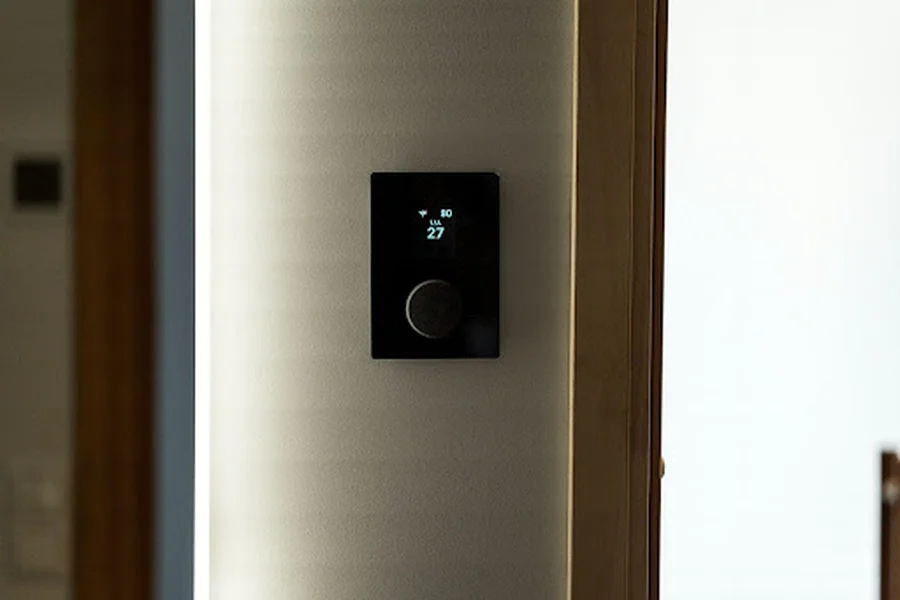
Modern energy systems are increasingly supported by digital tools that provide real-time insights into performance. These tools allow homeowners to track energy production, storage levels, and consumption patterns with precision. This level of visibility makes it easier to identify inefficiencies and adjust usage accordingly.
Automation adds another layer of functionality by enabling systems to respond dynamically to changing conditions. Devices can reduce consumption during low-energy periods or optimize performance when energy is abundant. This creates a more balanced system where energy is used strategically rather than passively.
Authority Insight: Efficiency Still Drives Results
Even with advanced technology, energy efficiency remains a critical factor in overall performance. According to guidance from the U.S. Department of Energy, improving efficiency within a home can significantly reduce total energy demand, making renewable systems more effective and affordable.
This reinforces the importance of combining energy generation with responsible usage. Efficient homes require less power to operate, which in turn reduces the strain on storage systems and increases overall reliability. The result is a more sustainable and manageable energy setup.
Balancing Convenience With Energy Awareness
Modern living demands comfort, but that comfort must be balanced with responsible energy use. Heating, cooling, and everyday appliances all contribute to energy consumption, making it important to find solutions that maintain convenience without unnecessary waste.
By integrating smart controls and efficient systems, homeowners can achieve this balance more effectively. These technologies adjust usage based on real-time needs, ensuring that energy is used where it matters most. Over time, this approach creates a more sustainable lifestyle without compromising comfort.
Long-Term Value of Energy Independence
Investing in independent energy systems is not just about immediate savings, it is a long-term strategy that enhances property value and resilience. Homes that are less dependent on external infrastructure are better equipped to handle fluctuations in energy supply and pricing.
As technology continues to improve, these systems are becoming more accessible and easier to implement. This suggests that energy independence will become a standard feature of modern homes, rather than an alternative reserved for specific use cases.
A New Standard for Modern Homes
The evolution of home energy systems reflects a broader shift in how living spaces are designed and used. Homes are no longer passive environments that rely entirely on external resources. Instead, they are becoming active systems capable of generating, storing, and managing their own energy.
This transformation changes how homeowners think about control, efficiency, and long-term sustainability. By embracing integrated and adaptable solutions, modern homes are setting a new standard, one where energy is not just consumed, but actively managed as part of everyday life.