
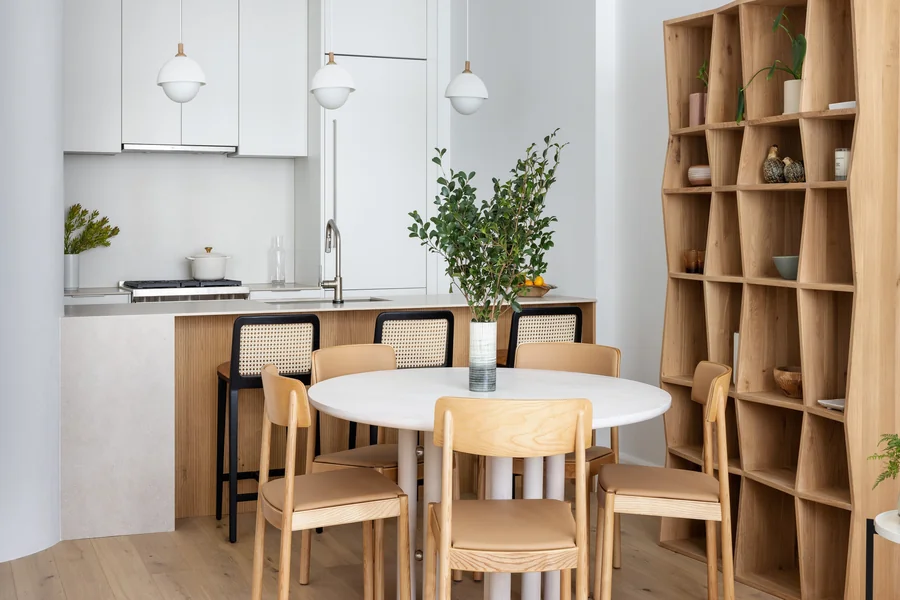

Choosing the right dining table is one of the most important decisions when designing a dining space. The shape of the table not only affects how people sit and interact but also influences the overall flow and balance of a room. In the United Kingdom, homeowners are often torn between round and rectangular tables, each offering unique benefits. Whether furnishing a modern apartment or a classic family home, understanding the pros and cons of each option will help in making the right choice, especially for those exploring a modern dining table and chairs sale to find the best value and style.
Why table shape matters
Table shape affects seating capacity flow in and out of seats movement around the room and the overall style of the dining area. A table is both a functional piece of furniture and a design statement. They must balance the needs of everyday family life with occasional hosting. Understanding the strengths and limits of round and rectangular shapes helps shoppers make a confident choice whether they live in a compact flat a terraced house or a larger detached home.
Round dining tables Pros
Social atmosphere and conversation
Round tables promote a social feel because everyone faces each other. Sight lines are unobstructed which encourages conversation and equal participation. For families or small dinner parties this can make meals feel more intimate and relaxed.
Space saving in tight rooms
In smaller rooms a round table can be easier to place because there are no sharp corners. People can move around the table more freely and the table can often sit closer to walls without creating awkward dead space.
Safety and child friendly
Without corners a round table is safer for households with young children. There are fewer bumps and bruises when kids are running past the dining area.
Flexible seating
Many round tables come in extendable formats or pair with benches and stools for variable seating. A well chosen round table can seat four to six people comfortably depending on diameter and chair size.
Aesthetic softness
Round tables introduce curves that soften a room. They work well in contemporary interiors and can be a strong counterpoint to straight lines found in cabinetry and shelving.
Round dining tables Cons
Limited seating for large gatherings
Because circumference grows linearly with diameter a round table quickly becomes impractical for very large numbers. For families who host regular large dinner parties a rectangular table often offers a more efficient seating layout.
Placement restrictions with rectangular rooms
In long narrow dining rooms a round table can feel mismatched with the room shape. It may not make the best use of available length and can appear out of proportion.
Fewer surface zones
Rectangular tables often allow different zones for serving plates side dishes and decorative elements. Round tables can make placing serving dishes more awkward unless a central lazy Susan is used.
Rectangular dining tables Pros
Efficient seating for many guests
Rectangular tables excel when the goal is to seat more people. Two long sides plus ends give a clear and efficient arrangement. For larger families or those who entertain often a rectangular table can be the more practical solution.
Fits the room shape
Most dining rooms and open plan kitchens are rectangular which means a rectangular table usually fits the room naturally. It creates a sense of balance and structure and makes planning circulation routes straightforward.
Versatile for serving and styling
Long surfaces offer more room for platters centrepieces and place settings. They are easier to style in layers and to set up a buffet or sharing dishes along the table.
Range of sizes and extensions
Rectangular tables are commonly offered in extendable formats ideal for occasional extra guests. This flexibility can be cost effective and space efficient. More ideas and inspirations can be found at celmamagazine.co.
Clear visual lines for modern interiors
Rectangular tables pair well with modern interiors where straight lines and angular furniture dominate. They create clear axes in open plan spaces and can anchor a dining area.
Rectangular dining tables Cons
Harder to converse across long tables
If a rectangular table is very long then people at opposite ends may find conversation difficult. Hosts should balance the desire for length with the social dynamics of their gatherings.
Corner safety and flow issues
Corners can pose a hazard in small homes or in households with children. They can also impede movement when chairs are pulled back and when multiple people are navigating around the table at once.
Can feel oversized in small rooms
In compact homes a narrow rectangular table may be a better option than a wide one. If the table is not proportionate to the room it can dominate the space and make circulation awkward.
Choosing by room size and layout
Small open plan living space
In a compact open plan flat a round table that seats four can be an excellent choice because it reduces the visual bulk and keeps traffic flowing. A smaller round table can also be pushed closer to a corner or window when not in use.
Narrow or long dining room
For a narrow or elongated room a rectangular table typically works better. It follows the length of the room and leaves space to move around the sides. An extendable rectangular table gives occasional extra seating without permanently taking up more floor space.
Square dining room
A square room is flexible. A round table can break the rigid geometry and create a cosy centrepiece. A rectangular table placed parallel to one wall can also work well especially when combined with a runner or centred rug.
Open plan kitchens
In open plan kitchens a rectangular island style table can mirror the lines of the kitchen units and create a harmonious flow. However if they are aiming to soften the kitchen aesthetic a round table can provide a deliberate contrast.
Materials and finish considerations
Wood and engineered wood
Solid wood tables give warmth and durability. British oak and walnut finishes have enduring appeal in the UK market. Engineered wood options can be budget friendly and lighter in weight.
Glass top tables
Glass tops suit modern interiors because they keep sight lines open and make a small room feel airier. They pair nicely with both round and rectangular frames while requiring regular cleaning.
Marble and stone
Marble and stone tops create a luxurious look but they are heavy and may require a sturdy base. Rectangular stone tables can make a dramatic centrepiece.
Metal and mixed materials
Tables that combine metal legs with wooden or glass tops deliver an industrial contemporary look. These styles are common in modern dining table and chairs sale promotions and suit open plan spaces.
Practical tips for measuring and placement
Allow at least 90 centimetres between the edge of the table and walls or furniture to permit chairs to be pulled out comfortably. Measure the dining room and visualise the table footprint before ordering. Consider traffic flow where people will enter and leave the room and how the table will sit beside other furniture.
If they are short on space look for extendable tables or drop leaf models. If they host often choose a table that can expand and pair it with chairs that can be stacked or stored when not in use.
Style and décor matching
For contemporary interiors choose a simple rectangular table with clean lines and minimal ornament. For a relaxed eclectic look a round table with mismatch chairs can create personality. Upholstered chairs bring comfort for longer meals and wood or metal chairs provide an easy to clean option for family homes.
Budget and longevity
Consider how the table will be used daily. Heavier duty solid wood will cost more upfront but can last decades. Lighter weight or engineered materials can be more affordable and still attractive for those on a tighter budget. Look for good workmanship in joints and finishes because these details determine longevity.
Conclusion
Both round and rectangular dining tables have clear benefits and trade offs. Round tables create intimacy better circulation and child friendly surfaces while rectangular tables offer efficient seating alignment and clear visual axes for longer rooms. The ideal choice depends on room dimensions household needs and entertaining habits.
For shoppers seeking contemporary options they should also watch promotions and compare features because many retailers include flexible extension mechanisms attractive material choices and matching chairs in their modern dining table and chairs sale events. When choosing they should measure the space plan for circulation and pick a table that fits both their daily life and their hosting ambitions. For those ready to buy dining tables and chairs it is worth considering the selection available at Furniture in Fashion where they can find a wide range that suits both modern and traditional tastes.