
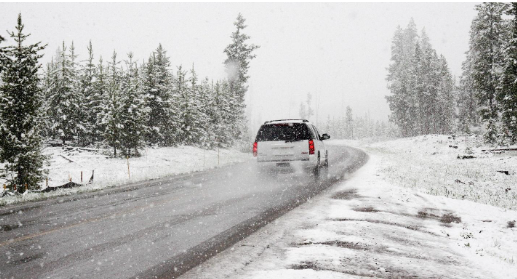

During the winter months, driving becomes increasingly more dangerous. Risk often builds through small subtle changes, from cold pavements limiting grip, to dark nights arriving earlier and snow or freezing rain can hide further hazards. Staying as safe as possible during these months therefore making the ‘maintain of control’ the goal.
Tire Handling Comes First
Tires tend to be the obvious focus of a vehicle during the winter months. Their condition has an immediate effect on a driver ability to handle their vehicle. Every maneuver depends on four small contact patches. When temperatures fall, summer-focused rubber can stiffen, while worn tread has less ability to clear water, slush, or snow.
Drivers should inspect tread depth, look for uneven wear, and set pressure according to the vehicle manufacturer’s recommendation. Tire pressure commonly drops as the air becomes colder, which can affect steering response and braking stability. The Yokohama tires range includes options designed for varied seasonal demands, but any tire choice should suit the local climate, expected mileage, and manufacturer specifications. A suitable tire still needs regular inspection, correct inflation, and timely replacement.
Smooth inputs matter just as much. Sudden steering can overwhelm available grip, while harsh acceleration may cause wheelspin. Heavy braking can also lengthen the distance needed to stop. Looking farther ahead allows drivers to slow gradually, leave a larger following gap, and make measured steering adjustments before slippery sections.
Use Modern Driving Modes Wisely
Many newer vehicles include settings such as Slippery, Snow, or Winter mode. Depending on the vehicle, these modes may soften throttle response, change transmission behavior, adjust traction control, or alter how power is distributed between the wheels. These changes can make a vehicle easier to manage when grip is limited.
However, a dashboard setting cannot create traction where none exists. Drivers should check the owner’s manual because systems work differently between manufacturers. Some begin in a higher gear, while others modify all-wheel-drive behavior. The setting should support careful driving rather than encourage higher speeds or shorter stopping distances.
Electronic stability control and anti-lock brakes are valuable within physical limits. If a vehicle begins to slide, abrupt corrections can make the situation worse. Remaining calm, easing off the accelerator, and steering smoothly toward the intended path gives safety systems the best opportunity to help.
Prepare the Vehicle Before Conditions Deteriorate
Winter control starts before the engine is started. Engine oil should be at the correct level and changed according to the manufacturer’s maintenance schedule. Using the specified oil grade is important because oil must circulate effectively during a cold start. Coolant should provide appropriate freeze protection, and the battery should be tested if it shows weak starting performance.
Visibility deserves equal attention. Replace worn wiper blades, fill the washer reservoir with winter-rated fluid, and clear every window before moving. Snow left on the roof can slide onto the windshield or fall into traffic. Headlights, brake lights, and turn signals should be clean and functional.
Keep useful supplies in the vehicle, including an ice scraper, warm clothing, a flashlight, charging cable, and basic first-aid kit. In areas prone to heavy snow, a small shovel and traction aid may help. Preparation reduces the pressure to make poor decisions when delays or changing weather disrupt a journey.
Adjust the Journey, Not Just the Vehicle
Even a well-maintained vehicle cannot remove every winter hazard. Check the forecast and road conditions before leaving, and postpone unnecessary travel when authorities advise against driving. Choose major routes likely to be treated, allow extra time, and avoid rushing to recover a delay.
On the road, increase following distance and reduce speed before curves, bridges, shaded areas, and intersections. Bridges can freeze before surrounding roads, while packed snow may conceal ice. Cruise control is best avoided on slippery surfaces because the driver should remain directly managing speed.
Control Is a Continuous Decision
Trying to achieve safe winter driving is not defined by owning one feature or making one perfect maneuver. It comes from combining appropriate tires, thoughtful vehicle preparation, sensible use of driving technology, and patient decisions behind the wheel. When drivers protect their margin for error, they are better equipped to respond calmly and keep every winter journey under control.