
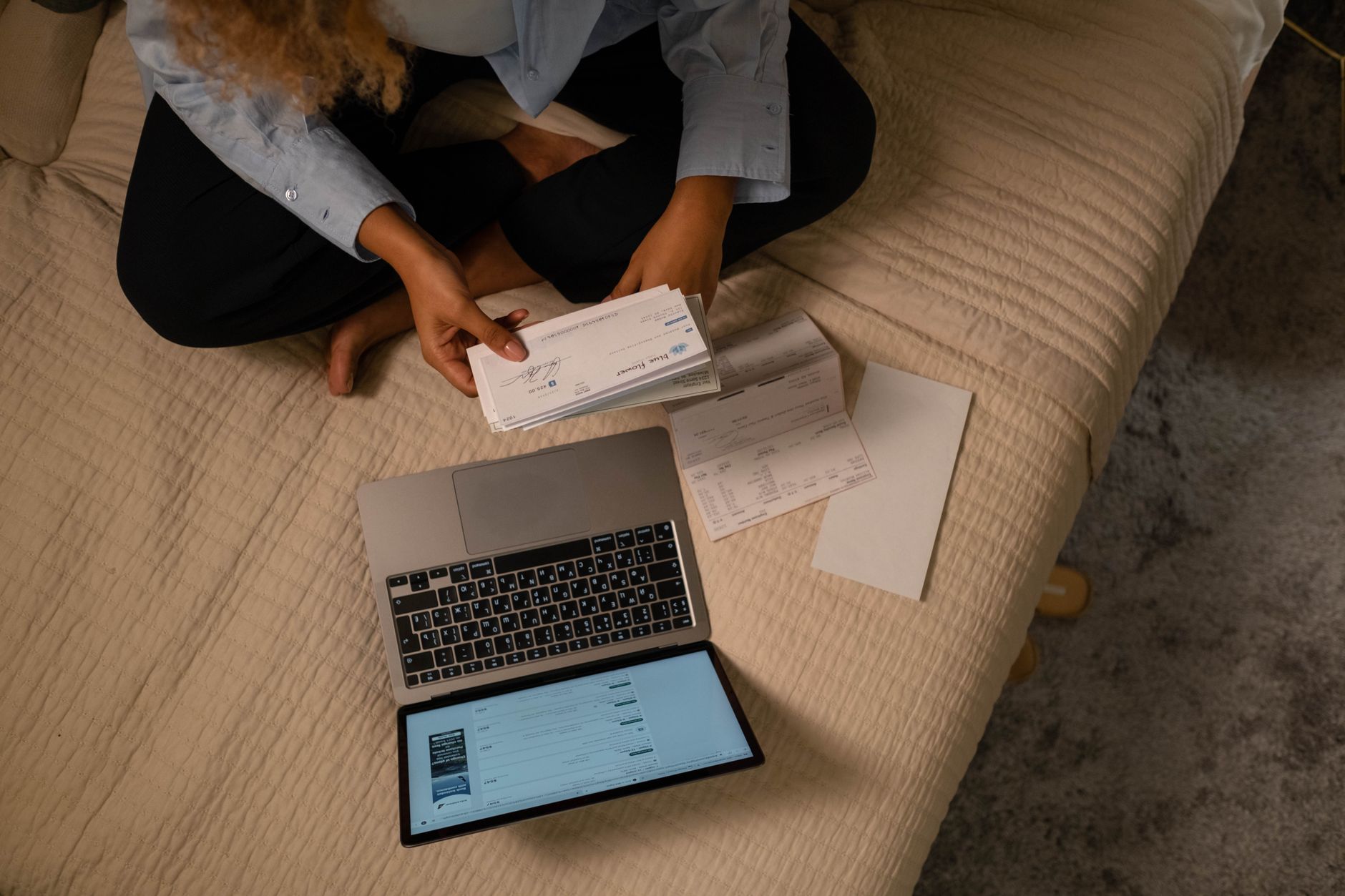
Restaurants choreograph the greeting, the pour, the plate — and then hand over a crumpled receipt on a plastic tray. Yet the final five minutes of a meal carry outsized weight: it's when the tip is set, and when the guest's memory of the whole evening crystallizes. Psychologists call it the peak-end rule; operators should call it free money left on the table.
Why Endings Dominate Memory
Daniel Kahneman's peak-end research showed that people judge experiences not by their average quality but by two moments: the emotional peak and the ending. A flawless dinner with a sloppy, slow, or awkward ending is remembered as a worse dinner. The reverse is also true — a graceful ending retroactively upgrades everything before it. In a restaurant, the ending is the check moment, and it has three components: timing, delivery, and the object itself.
Timing: The Silent Service Killer
The most common end-of-meal failure isn't rudeness — it's absence. Guests ready to leave who can't get the check experience every additional minute as friction, and friction at the end is memory poison. Standards worth training: offer the check within two minutes of dessert plates clearing (or proactively when the table's body language shifts), process payment within three minutes of the card going down, and never make a guest wave. QR payment on the table solves the wait entirely for casual concepts; for full service, the answer is floor awareness and a check that's ready before it's requested.
Delivery: Small Rituals, Measurable Returns
The behavioral literature on tipping is unusually practical. Studies have measured tip increases from small end-of-meal gestures: a mint with the check, a handwritten "thank you," the server crouching to table level, addressing guests by name from the reservation. Individually each moves tips by one to three percentage points; stacked, the ending becomes a ritual guests remember. None of them cost anything. They do, however, all require somewhere dignified to happen — which brings us to the object.
The Object: What the Bill Arrives In
The check is a moment of mild social awkwardness — money entering a hospitality relationship. A proper vessel civilizes it. Beyond etiquette, the object works on perception: the bill folder is the last thing guests touch, at the exact moment they choose a tip percentage and mentally draft their review. Material quality here transfers to the entire experience — the same psychology that makes menu weight shape price perception, applied at the moment of judgment.
Well-run rooms treat restaurant check presenters as part of the brand kit, not an afterthought: matched to the menu covers, logo engraved, heavy enough to feel considered. Wooden and leather presenters have displaced the vinyl folder in independent restaurants for a simple reason — guests notice, and occasionally photograph, the nice ones. No one has ever photographed a vinyl folder except as a complaint.
A practical note on logistics: order one presenter per three to four seats, not per table — they queue at the POS during rush, and running out mid-Saturday forces the saucer-and-receipt walk of shame.
Scripting the Goodbye
The check moment ends with words, and most restaurants leave them to chance. "Have a good one" is a shrug; a closing line worth training names the guest when possible, thanks them specifically ("So glad you tried the new menu tonight"), and plants the return ("The winter menu launches next month — worth coming back for"). Two rehearsed sentences, delivered with the check in its presenter, turn a transaction into a bookend that matches the greeting.
Payment mechanics belong in the script too. Servers should state the options before the guest asks ("Whenever you're ready — card, phone, or the QR on the table all work"), because payment confusion is friction at the worst possible moment. And when the guest pays by card at the table, the presenter earns its keep again: it gives the terminal, the receipt, and the pen a dignified home instead of a juggling act over dirty plates.
Auditing Your Own Ending
Sit at your least favorite table this week and order the ending: dessert cleared, check requested, payment, goodbye. Time each gap. Look at what the bill arrived in. Listen to the last sentence staff said. Most operators discover their carefully engineered experience simply stops rather than ends — a film with the last scene missing.
Then fix the cheapest part first: the object. Training takes weeks; timing takes management attention forever; but the vessel the check arrives in is solved with one purchase order — and it upgrades every single cover from tonight onward.
The meal's final minutes are the only part of service every guest is guaranteed to remember. Give the ending the same intention as the greeting, and the tips, reviews, and returns follow.
Author bio (suggested): [Name] writes on service design and hospitality operations. Product references courtesy of KyivWorkshop's check presenter collection.