
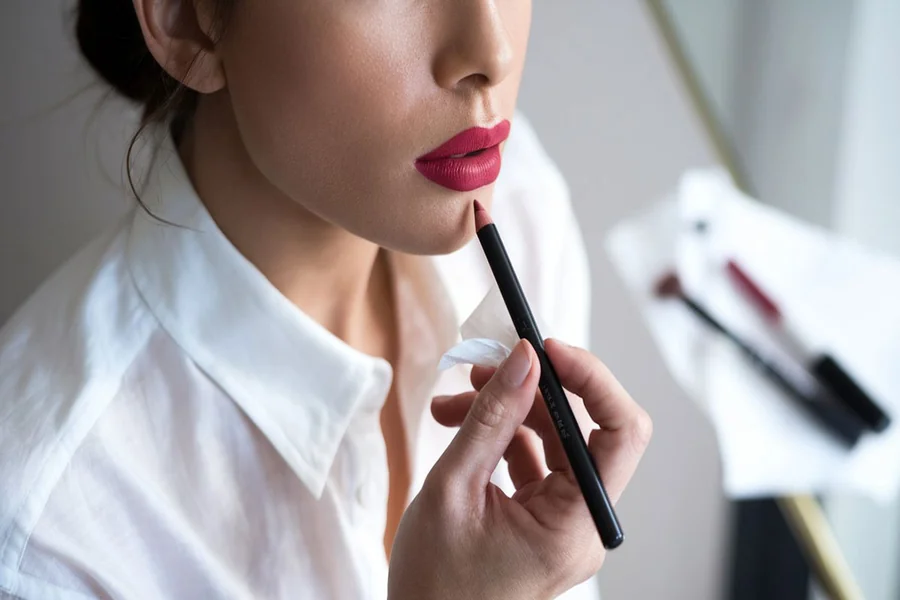

Are you tired of reapplying your lipstick throughout the day? A long-lasting lipstick can be a convenient way to keep your look polished with minimal touch-ups.
With so many options available, choosing the right cruelty-free lipstick can feel overwhelming. Different formulas, finishes, and shades all affect how long your color will last and how comfortable it feels.
In this guide, we’ll explore long-lasting lipstick from every angle, focusing on techniques, prep, and formula types that help you achieve all-day wear.
Key Takeaways
- Discover practical ways to make your lipstick last longer
- Understand the benefits of choosing a cruelty-free lipstick
- Learn about common lipstick formulations and their typical wear time
- Get tips on application techniques that enhance staying power
- Explore shade choices that work well for everyday use
Understanding Lipstick Formulations for Longevity
To get lipstick that truly lasts, it helps to understand how different formulations behave. Texture, finish, and ingredients all affect wear time, comfort, and appearance.
Matte vs. Cream vs. Liquid Formulations
Lipsticks generally come in three popular textures: matte, cream, and liquid.
- Matte lipsticks
- Matte formulas usually have a flat, non-shiny finish and are often more long-wearing because they contain less oil and more film-formers and pigments.
- Cream lipsticks
- Cream lipsticks tend to feel more moisturizing and comfortable, but the extra emollients can mean shorter wear time.
- Liquid lipsticks
- Liquid formulas typically go on as a fluid and then set to a more fixed finish, often offering strong color payoff and good durability.
Wear Time Expectations by Type
These are general ranges (actual wear varies by product and habits):
- Matte lipsticks: 4–6 hours
- Cream lipsticks: 2–4 hours
- Liquid lipsticks: 6–8 hours
Ingredients That Enhance Staying Power
Certain ingredient categories are commonly used to improve longevity.
Silicones, Polymers, and Waxes
- Silicones & polymers help create a flexible film on the lips, improving adherence.
- Waxes (like candelilla, carnauba, or beeswax in some formulas) add structure, helping color stay in place and resist slipping.
How Lipstick Chemistry Affects Wear Time
The balance between pigments, oils, waxes, silicones, and polymers determines:
- How strongly the lipstick grips the lips
- How resistant it is to movement, eating, and drinking
- Whether it feels more flexible and hydrating, or more fixed and budge-resistant
Understanding this helps you choose formulas that match your priorities: comfort vs. ultra-long wear.
Prepping Your Lips for Maximum Lipstick Adhesion
Longevity starts before you apply any color. Proper lip prep gives lipstick a smooth, even surface to cling to.
Exfoliation Techniques for Smooth Application
Removing dry, flaky skin helps color apply evenly and prevents patchiness.
DIY Scrubs vs. Commercial Products
- DIY scrubs
- You can mix 1 teaspoon of sugar with 1 teaspoon of honey to make a simple scrub. Gently massage in circular motions for about 30 seconds, then rinse with warm water.
- Commercial scrubs
- Ready-made lip scrubs or exfoliating sticks offer convenience and more controlled formulas. Choose one that matches your sensitivity level and use 1–3 times per week, depending on how dry your lips are.
Hydration and Balm Application
After exfoliating, lock in moisture so lips stay smooth under lipstick.
- Apply a light layer of lip balm, then give it a few minutes to absorb.
- If your balm is very rich, gently blot excess before applying color so it doesn’t break down the lipstick.
Primer Benefits and Application
Lip primer isn’t mandatory but can help with longevity and smoothness.
When to Apply and How Much to Use
- Apply a small amount of primer after balm.
- Let it sit for about one minute before adding lipstick.
- Focus on the lip edges if feathering is a concern.
Choosing Cruelty-Free Options
Many people now look for cruelty-free lipstick as part of a more ethical makeup routine. Instead of focusing on specific product claims, it’s helpful to know how to evaluate options.
What to Look for in Cruelty-Free Lipstick
When exploring options such as SHEGLAM Cruelty Free Lipstick, consider:
- Whether the brand publicly states that it does not test on animals
- Any third-party cruelty-free certifications listed on the brand’s official channels
- The types of finishes and formats offered (matte, cream, liquid, etc.)
- How well the formulas and shade range fit your personal preferences
Comparing Long-Lasting Formulas in General
Across brands, you’ll typically see:
- Liquid matte lipsticks for maximum staying power
- Traditional bullet lipsticks in varying finishes for easier touch-ups
- Stain-like formulas that leave a soft veil of color even as they wear down
When choosing, think about:
- Your tolerance for “fixed” vs. flexible feel
- How often you’re willing to touch up
- Whether you prefer bold opacity or softer, buildable color
Step-by-Step Application for All-Day Wear
Application can dramatically affect how long your lipstick lasts, even with the same formula.
Lip Liner Techniques for Definition and Longevity
Lip liner helps:
- Define and slightly reshape lips
- Create a barrier to reduce feathering
- Add an extra layer of pigment that anchors your lipstick
Matching vs. Slightly Darker Liner Options
- Matching liner gives a seamless, polished look.
- A slightly deeper liner can add depth and dimension, especially in the outer corners and along the cupid’s bow.
Experiment to see which effect you prefer for daily vs. more dramatic looks.
Layering Methods for Intense Color
Building color in thin layers improves both intensity and wear.
- Apply a first thin layer, then gently blot with tissue.
- Add a second light layer for more saturation and staying power.
The Blot and Reapply Technique
- Apply lipstick
- Blot once with tissue
- Reapply a second thin coat
This removes excess oils and leaves behind more pigment and film-formers that grip better to the lips.
Precision Application Tools and Techniques
Tools can help you be more precise and controlled.
Lip Brushes vs. Direct Application
- Lip brush
- Great for crisp edges and layering thin coats
- Helpful with bold or dark shades that show mistakes easily
- Direct from the bullet or wand
- Faster and convenient for everyday use
- Best when you’re already familiar with the shade and formula
You can combine both: outline and detail with a brush, then fill in quickly from the tube.
Setting Techniques That Lock In Color
Once lipstick is on, setting techniques help keep it in place.
The Tissue and Powder Method
- Apply lipstick.
- Place a thin tissue over your lips.
- Lightly dust translucent powder over the tissue.
This sets the product without turning it chalky.
You can use:
- Translucent powder for versatility with any shade
- Colored powder (close to your lip color) if you want to slightly deepen or adjust tone
Setting Sprays and Their Benefits
Some people lightly mist a makeup setting spray over the face (including lips) to help reduce smudging. Hold the spray at a distance and keep lips relaxed so product doesn’t move while it sets.
Multiple Coat Application Strategy
Multiple thin coats tend to last better than one thick layer.
Drying Time Between Layers
- Allow 30–60 seconds between layers, especially with liquid formulas.
- Let each coat set before adding more to avoid clumping or uneven patches.
Eating and Drinking Without Compromising Your Look
Meals and drinks are the ultimate stress test for lipstick.
Strategic Sipping Techniques
Whenever possible:
- Take smaller sips to reduce contact with the rim of the glass.
- Gently close lips around the drink instead of dragging them against the edge.
Using Straws Effectively
- Using a straw limits contact between your lips and the beverage.
- Place the straw a bit further back in your mouth so your lip color touches it as little as possible.
This is especially useful with iced drinks, smoothies, or anything that might otherwise disturb your lipstick.
Food Choices That Won’t Destroy Your Lipstick
Some foods disturb lipstick more than others, especially oily or messy options.
| Food Category | Lipstick-Friendly Options | Foods to Avoid |
| Sandwiches | Small, neat sandwiches | Large, messy burgers |
| Fruits | Cut fruit, fruit salad | Whole apples, oranges |
You don’t have to avoid everything; just be aware of how certain textures and eating styles can affect your lip color.
Quick Touch-Up Methods for After Meals
Keep a compact mirror and your lipstick (or a similar shade) with you.
Partial vs. Complete Reapplication
- Partial touch-up:
- If only the inner part has faded, add a light layer just there and blend outward.
- Full reapplication:
- If color is patchy or heavily worn, gently blot or wipe off the remaining lipstick and start fresh.
Troubleshooting Common Long-Wear Issues
Even with good formulas, issues like feathering, dryness, or uneven fading can appear.
Preventing Feathering and Bleeding
Feathering happens when color creeps into fine lines around the mouth.
- Use lip liner to create a clean edge.
- Apply a thin layer of primer or a light barrier product around the lip line to help keep color contained.
Anti-Feathering Products and Techniques
Products that include film-formers or certain waxes can help create a more defined boundary. Applying them carefully along the edges of the lips can reduce migration.
Addressing Dryness and Cracking
Long-wear formulas can sometimes feel drying, especially on already-dehydrated lips.
Hydrating Formulas and Treatments
- Regularly use lip balms or overnight treatments.
- Look for products that emphasize moisturizing or soothing properties in your daily care routine.
- Avoid over-exfoliating, which can make lips more sensitive.
Solutions for Uneven Fading
Uneven fading can leave the center bare while the edges remain dark.
Center-to-Outer Reapplication Methods
- Reapply starting at the center of your lips, then blend outward.
- This keeps the strongest pigment where it tends to wear off fastest and avoids build-up at the edges.
Special Occasion Lipstick Strategies
For important events, you want your lipstick to last with minimal maintenance.
Wedding Day Lipstick That Lasts Through Kisses
For occasions like weddings, look for formulas described as:
- Transfer-resistant
- Long-wear or long-lasting
These are typically designed to adhere more firmly to the lips and resist transferring to clothing or other people.
Transfer-Resistant Formulations
You can combine:
- A long-wear formula
- Careful layering and setting techniques (liner, blotting, powder)
This helps your color endure hugs, kisses, and emotional moments.
Long-Lasting Looks for Professional Events
For work events or conferences:
- Choose polished, subtle shades that complement your outfit.
- Apply with a lip brush for a crisp, professional finish.
- Keep a matching tube in your bag for quick, discreet touch-ups.
Party-Proof Application Techniques
For evenings out:
- Line and slightly fill in lips with liner.
- Apply lipstick, blot, and add a second thin coat.
- Lightly set with powder if desired.
Maintenance Kit Essentials
A small kit can include:
- Your lipstick (or a mini)
- A slim lip brush
- Tissues or blotting papers
This makes it easy to refresh your look in a restroom or quiet corner.
Seasonal Adjustments for Your Lipstick Routine
Weather affects both your lips and your lipstick’s performance.
Summer Heat and Humidity Strategies
Heat and humidity can soften products and increase transfer.
Waterproof Options and Setting Methods
- Choose formulas marketed as water-resistant or long-lasting.
- Use lip liner to anchor the edges.
- A light dusting of powder through a tissue can help reduce slipping.
Winter Dryness Solutions
Cold air and indoor heating can dry lips quickly.
Incorporating Hydrating Products
- Apply a rich lip balm before lipstick and let it absorb.
- Reapply balm during the day when you’re not wearing strong color.
- Avoid very dry formulas if your lips are already chapped.
Travel Considerations for Different Climates
Adjust your routine based on destination.
| Climate | Lipstick Strategy | Recommended Product Types |
| Hot and Humid | Focus on long-lasting, budge-resistant | Waterproof or long-wear lipstick formulas |
| Cold and Dry | Prioritize hydration | Lip balm + nourishing lipstick or tinted balm |
| Temperate | Balanced approach | Moisturizing lipsticks or comfortable mattes |
Gentle Yet Effective Removal Techniques
Removing long-wear lipstick carefully protects the delicate skin of your lips.
Oil-Based Removers for Stubborn Formulas
Oil-based options are especially effective for breaking down resistant color.
Natural vs. Commercial Options
- Commercial oil-based removers are designed specifically for makeup.
- Natural oils like coconut or olive oil can also help dissolve lipstick while adding moisture.
Apply, gently massage, and wipe away with a soft cloth or cotton pad.
Micellar Water Methods
Micellar water can also be used:
- Soak a cotton pad
- Press it onto the lips for a few seconds
- Gently wipe, repeating if needed
This is a good option if you prefer lighter, non-oily textures.
Post-Removal Lip Care
After removal, give your lips some care to support recovery.
Overnight Treatments for Recovery
- Apply a thick lip balm or mask before bed.
- Regular nightly care helps keep lips smoother for next-day lipstick application.
Conclusion: Mastering the Art of Long-Lasting Lipstick
Long-lasting lipstick results come from a combination of:
- Choosing suitable formulations
- Prepping your lips properly
- Applying with care and technique
- Using setting methods and smart habits when eating and drinking
Pre-exfoliation and hydration create a smooth base. Primers, liners, and precise application help color grip better. Setting with tissue and powder, layering thin coats, and practicing mindful sipping all add extra hours of wear.
As you explore different cruelty-free lipstick options and techniques, you’ll discover what works best for your lips, your lifestyle, and your style. With a bit of experimentation, you can build a routine that gives you vibrant, comfortable color that lasts from morning to night.
FAQ
What is the best lipstick formulation for long-lasting wear?
Liquid and matte lipsticks are generally known for stronger staying power, with many formulas lasting several hours without major fading or feathering.
How do I prevent my lipstick from feathering or bleeding?
Use a lip liner to define your lip shape, and consider applying a thin layer of primer or concealer around the edges. Lightly setting the area with translucent powder can also help keep color in place.
What are some tips for making my lipstick last through meals and drinks?
Use a straw when possible, avoid very oily foods, and blot rather than rub your lips with a napkin. Reapply a thin layer of lipstick after meals if needed, focusing on areas that have worn off.
How do I remove long-wear lipstick effectively?
Use an oil-based remover, micellar water, or natural oils like coconut or olive oil. Gently massage and wipe away rather than scrubbing. Follow up with balm or a lip treatment.
What are some benefits of using a lip primer?
Lip primer can:
- Create a smoother surface for application
- Reduce feathering and bleeding
- Help lipstick adhere better and last longer
Some primers also include conditioning ingredients for added comfort.
How do I choose the right shade of lipstick for my skin tone?
Consider:
- Your natural lip color
- Your skin undertone (cool, warm, or neutral)
- The kind of look you want (bold vs. subtle)
Cool undertones often pair well with blue-based shades, while warm undertones often suit more yellow- or orange-based colors. Ultimately, personal preference matters most—if you love it on you, it works.