
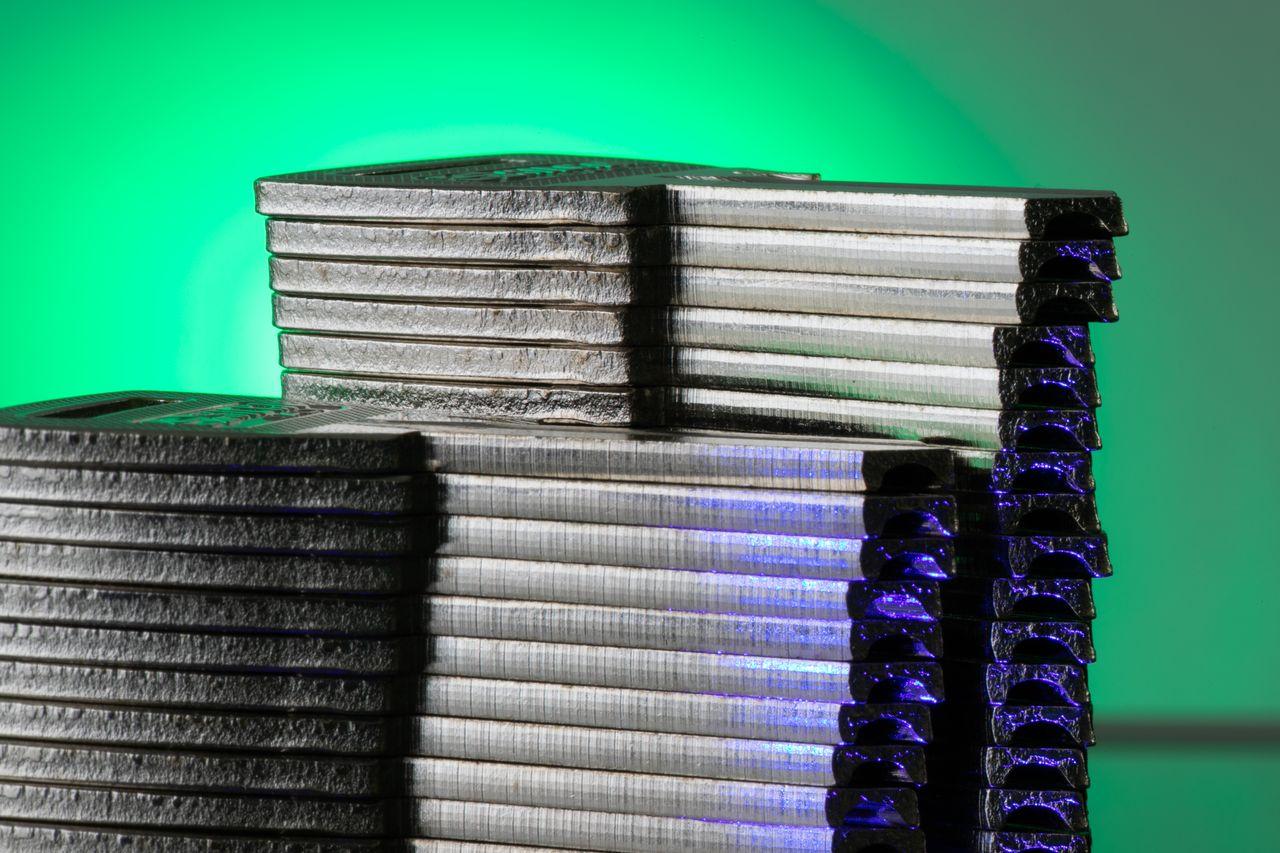

A small amount of metal can sometimes be worth thousands of dollars, while a much larger piece of another metal may cost very little. The difference comes down to far more than rarity: mining costs, industrial demand, investor behavior, technology, and even politics can all affect what a metal is worth.
Why Some Metals Cost So Much
It is easy to assume that the rarest metal should automatically be the most expensive. In reality, markets do not work quite that simply. Something can be extremely rare but have limited commercial demand. Another metal may be more common but needed by millions of businesses, investors, and consumers.
Silver is a good example. People have valued it for centuries, yet today it is also an important industrial material. It is used in electronics, solar technology, and other products because it conducts electricity and heat extremely well. That means someone researching a silver price prediction is not only thinking about jewelry or people buying silver bars. Manufacturing activity, technology investment, mine production, recycling, and the wider economy can all matter.
The same basic idea applies to other valuable metals. Their prices are shaped by the relationship between how much the world can produce and how badly buyers want what is available.
Gold Has an Unusual Role
Gold stands apart because much of its value is connected to money and wealth rather than everyday manufacturing.
People buy gold jewelry, but investors also hold bullion, coins, and financial products connected to the metal. Central banks keep large gold reserves as well. At the same time, gold has practical uses in electronics because it resists corrosion and works reliably in sensitive components.
This creates an unusual market. Demand can rise even when the economy is struggling. If investors become nervous about currencies, inflation, financial markets, or geopolitical events, some may move money into gold.
Most commodities behave differently. A weak economy can reduce demand for oil, steel, or copper because fewer goods are being produced. Gold can sometimes attract more attention during the same period precisely because people are worried.
Silver Lives in Two Worlds
Silver has a different economic personality.
Part of its market resembles gold. People buy silver as an investment, and jewelry remains an important source of demand. But silver is also heavily tied to industry.
Its electrical properties make it useful in electronic equipment, solar panels, vehicles, and many other technologies. Industrial use therefore has a much bigger influence on silver than it does on gold.
This can make silver particularly sensitive to changes in the economy. A manufacturing boom could increase physical demand. At the same time, financial uncertainty could encourage investment demand. Those forces can occasionally happen together.
The opposite is possible too. Weak industrial activity or falling investor interest can put pressure on the market.
Platinum and Palladium Depend on Industry
Platinum and palladium show how a precious metal can become closely connected to one major industry.
Both have been widely used in vehicle emissions systems. Automakers use these metals in catalytic converters, where they help turn harmful exhaust gases into less harmful substances.
As a result, changes in the auto industry can affect demand. Vehicle production, emissions regulations, engine technology, and the shift toward electric vehicles all have economic consequences for these metals.
Manufacturers can also sometimes substitute one metal for another. If palladium becomes unusually expensive compared with platinum, companies have a financial reason to investigate whether platinum can do the same job.
That substitution creates another force in the market. A high price can eventually reduce demand for the expensive material by encouraging businesses to find alternatives.
Technology Can Rewrite the Market
Demand for metals changes as the things we build change.
Photography once consumed large quantities of silver. Digital cameras dramatically reduced that source of demand. Years later, solar panels and advanced electronics created new reasons for manufacturers to buy silver.
Similar shifts can happen to other metals.
A technology that barely exists today could become a major source of metal demand a decade from now. On the other hand, engineers are constantly looking for ways to use less of an expensive material or replace it with something cheaper.
This is why scarcity alone never tells the full story.
A Metal’s Price Tells an Economic Story
The world's valuable metals sit at the intersection of geology, finance, manufacturing, technology, and consumer behavior. Their prices reflect what can be pulled from the ground, what can be recycled, and what people and businesses are willing to pay.
Gold may respond strongly to investment demand, while silver balances financial and industrial uses. Platinum and palladium can move with changes in manufacturing and transportation.
Behind every quoted price is a constantly changing argument between supply and demand. That is what ultimately turns a piece of rock from the ground into one of the world's most valuable materials.