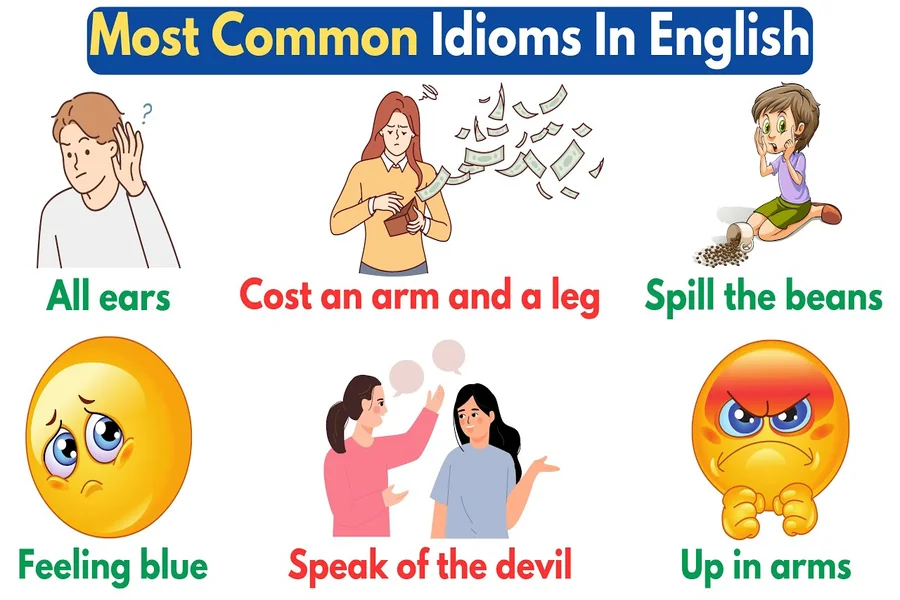
Plenty of people who have never set foot in a casino still keep a poker face, call someone’s bluff or hit the jackpot. Gaming has been feeding everyday English for well over a century, and the shift to online play has added a fresh layer of vocabulary on top. Some of it is technical, some of it is slang, and some of it arrives from other languages entirely.
Knowing where these words come from makes them easier to remember, and it makes the gaming world a lot less confusing to read about.
Card Tables Gave English Some of Its Sharpest Idioms
Poker alone is responsible for a surprising share of modern expressions. A poker face, meaning a blank expression that gives nothing away, has been in print since the 1870s. To up the ante comes from the stake every player puts in before the cards are dealt, and calling someone’s bluff once meant matching a bet to force the other player to show a hand.
Jackpot has an especially neat history. In 19th-century draw poker, a jack-pot was a round where nobody could open the betting without a pair of jacks or better, so the pot kept growing until someone finally could. Slot machines borrowed the word in the 1930s, and by the end of that decade hitting the jackpot simply meant striking it lucky in any part of life.
The pattern is familiar from idioms people use to talk about life in general. Expressions like putting all your eggs in one basket are really about weighing risk, and card players have been doing that out loud for generations.
Slot Terms Follow Their Own Logic
Online slots brought a more technical vocabulary. RTP, short for return to player, describes how much a game pays back over a very long run of play. A slot with 96% RTP is designed to return $96 for every $100 wagered across millions of spins, and the remaining 4% is the house edge.
Volatility describes how that money arrives. A low-volatility game pays small amounts often, while a high-volatility game can go quiet for a long stretch before paying out in larger chunks. Two games with identical RTP can feel completely different to play because of this one setting.
Free spins are rounds played without using your own balance, usually triggered by a bonus feature or offered as a promotion. The word scatter refers to a symbol that pays or triggers a feature wherever it lands on the reels, even outside the paylines.
Some of the Newest Terms Come From Other Languages
Gaming vocabulary has always traveled. Casino itself is Italian, a diminutive of casa, and originally meant a small house or summer pavilion. Croupier is French and first described someone who rode on the croup of a horse, behind the main rider, before it came to mean the person running a gaming table.
The online era is adding new loanwords at a quicker pace. In Finland, players talk about pikakasinot, a term built from pika, meaning quick or express, the same prefix found in pikaruoka for fast food and pikajuna for an express train. It refers to casinos where a player signs in through their online bank, so identity checks and the first deposit happen in one step instead of through a separate registration form. The setup is often called Pay N Play in English, but Finnish speakers have their own compact word for it, and it shows up constantly in Nordic gaming discussions.
It is a good example of how languages handle new technology. Finnish skipped the clunky English phrase, stuck a familiar prefix onto a familiar noun and ended up with a word everyone understands at once.
Online Slang Moves Faster Than Dictionaries
Player communities generate words faster than any reference book can record them. A whale is a player who stakes very large sums, a term casinos used long before the internet. A grinder plays long sessions at low stakes, chipping away at small wins over many hours.
Going on tilt, meaning playing emotionally after a bad loss, is usually traced to pinball machines, which locked up and flashed TILT when someone shook them too hard. Poker players picked it up, and today people use it about everything from traffic jams to video games. Cash out followed a similar path: it started as a payment term and now often means quitting while you are ahead in any situation.
Bonus Terms Are Where Vocabulary Matters Most
The most practical gaming words are the ones in the terms and conditions. A wagering requirement, sometimes called a playthrough, tells you how many times a bonus must be bet before any winnings from it can be withdrawn. A $20 bonus with a 35x requirement means $700 in total bets before that money becomes withdrawable.
Minimum deposit, maximum bet and expiry date are usually listed right next to it, and each one changes how useful the bonus actually is. Someone who knows these terms can read an offer in thirty seconds and see whether it fits the way they play, which is a lot more than most people can say about the fine print on their phone contract.