

Social media has turned traditional marketing on its head and made influencers an indispensable part of the marketing mix. When you want to find influencers on Instagram, you typically do a bit of digging using platforms like Inflact to scope out their public profile and see if they’re a good fit. Whether you’re a local entrepreneur or a global brand, companies are increasingly relying on influencers to build trust, reach new customers, and connect with people who are really interested in what you’ve got to offer.
Not all influencers are created equal. The size of their audience, the level of engagement they get, their area of expertise, and the way they communicate all play a huge role in the value they bring to a campaign. This is a guide to help break down the different types of influencers, their roles in digital marketing, and how businesses can figure out which creators are likely to get the best results.
Finding the Right Influencer – It’s Not Just About Checking Out Instagram Profile’
Using Insta profile viewer is a great way for businesses to get a sneak peek at public creator profiles before getting into a collaboration. But when it comes to effective influencer marketing on Instagram, it’s all about doing your research properly and not just chasing the accounts with the most followers. Companies that are serious about finding an influencer will compare the level of audience interaction, the consistency of their posting schedule, and the quality of their content to see if the creator is actually a good fit for their campaign.
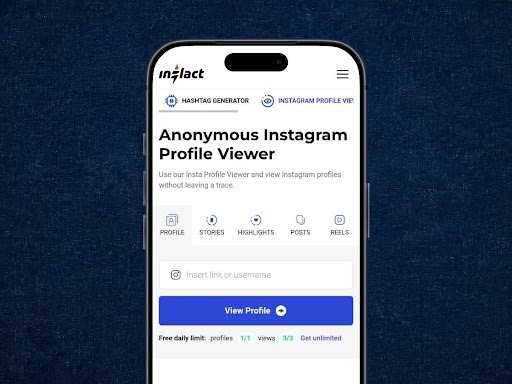
Different campaigns need different types of people to work with. For example, nano-influencers are often local experts with a highly engaged community, while micro-influencers are great for niche campaigns that need authenticity. Macro-influencers can get your message out to a wider audience and are often chosen for bigger brand awareness campaigns. An Instagram profile viewer can be useful for reviewing public profiles without getting in touch with the creator, but you’ve got to choose a tool that only uses public info and respects Instagram’s privacy settings.
By focusing on engagement that actually means something, rather than just counting followers, businesses can build partnerships that deliver real connections with their target audience, not just a bunch of fake likes and follows.
What Does An Influencer Actually Do?
A good influencer is someone who has built a reputation and a loyal following around a specific topic like fitness, tech or fashion. Unlike traditional celebrities, influencers often get recognition through their consistent social media presence and direct interaction with their communities. Successful influencers usually have a few key things in common:
- They have a real connection with their audience;
- They consistently create high-quality content that resonates with their community;
- They’ve got high engagement rates that show people actually care;
- They have expertise in a specific area that makes them a trusted source;
- They communicate in a way that feels genuine and real.
These qualities make influencers effective marketing partners. When people trust a creator’s recommendations, they’re much more likely to explore products or services that fit with the creator’s interests and values.
Types of Influencers: What You Need to Know
Influencers are often grouped according to the size of their audience. Each category is best suited to different marketing objectives, so selecting the right partner is all about having a clear idea of what you want to achieve, rather than just going for the most popular option.
| Influencer Type | Typical Followers | Best For |
| Nano | 1K-10K | Local communities and high engagement |
| Micro | 10K-100K | Niche products and targeted campaigns |
| Macro | 100K-1M | Large-scale brand awareness |
| Mega | 1M+ | Global campaigns and mass exposure |
While bigger audiences provide broader visibility, smaller creators often generate stronger engagement and closer relationships with their followers. Businesses should balance reach, relevance, and authenticity when selecting influencer partners.
Why Businesses Invest in Influencer Marketing – The Real Benefits
Influencer marketing has become a key strategy because it lets brands reach audiences through trusted voices, rather than just relying on traditional advertising. The main benefits are:
- Build brand awareness and get people talking about your business.
- Increase consumer trust and get people to believe in what you’re selling.
- Reach niche communities and get your message out to people who actually care.
- Get authentic user-generated content that shows people are passionate about your business.
- Improve campaign performance and get a better return on investment.
These advantages are most effective when influencer partnerships are viewed as long-term relationships rather than one-time promotions. Consistency and shared values often produce stronger results than isolated sponsored posts.
How to Choose the Right Influencer – What Really Matters
Choosing an influencer is way more than just reviewing the number of followers they have. Brands should look at several performance indicators before making a decision.
| Evaluation Factor | Why It Matters |
| Engagement Rate | Indicates audience interaction |
| Audience Relevance | Ensures alignment with campaign goals |
| Content Quality | Demonstrates professionalism and creativity |
| Brand Compatibility | Supports authentic partnerships |
| Posting Consistency | Reflects long-term reliability |
Taking all the factors into consideration will give you a much more balanced view of the campaign than if you’re just relying on one figure or another, of course, strong engagement, a target audience and decent content don’t magically appear overnight, and, to be honest, they’re often the things that drive a campaigns real success, way more than some fancy metrics like reach
The Most Common Blunders in Influencer Marketing – And How to Avoid Falling into Them
Loads of businesses shoot themselves in the foot by making rookie mistakes when it comes to picking and planning their influencer campaigns. Some of the most common pitfalls include:
- Cutting corners and just focusing on the number of followers – which is pretty useless if they’re not actually engaged with what you’re saying;
- Ignoring the quality of the engagement – it’s all well and good having a lot of likes, but what use are they if the conversation is dead on arrival?
- Not putting any thought into the long-term impact of the partnership (its not just about the next quarter, after all);
- Focusing all your energy on a short-term collaboration without thinking about the bigger picture;
- Missing the mark on authenticity – you can be sure that if that’s what you’re doing, you’ll struggle to get a decent return on your investment;
- Just throwing up campaigns without actually thinking about what you want to get out of them.
Avoiding these common mistakes will allow businesses to build real partnerships and get a clear picture of just how well their campaigns are working, and that only happens when you put some real time and effort into it upfront, and keep a close eye on things as they go on, then and only then can you start tweaking your approach and wring the most out of your marketing budget.
The Conclusion
Influencers are a big deal in the world of digital marketing, and it’s not hard to see why they bring a unique mix of expertise, a genuine vibe and a direct line to the people that actually matter
Whether you’re talking to someone with a tiny audience or a massive one, the key is to find people who really get your brand, and vice versa. If you want a seriously successful influencer marketing effort then you can’t just cherry pick the biggest accounts and expect to get away with it, you need to put in some real effort to get to know the influencer, set realistic expectations and actually take the time to engage with them properly. That means taking a good hard look at their audience, how well their content is doing and whether it’s actually worth your while to partner up, if you do put in the work, you’re way more likely to find a genuine partnership that benefits both your business and the creator in the long run.