


The image of the confused multilingual child — perpetually mixing languages, falling behind monolingual peers, struggling to master either tongue fully — is one of the most persistent and most thoroughly debunked myths in developmental science. Decades of rigorous research have not merely failed to support this picture; they have replaced it with something almost opposite. Children who grow up with two or more languages develop cognitive advantages that extend far beyond the ability to communicate across linguistic boundaries. They think differently, adapt faster, and demonstrate measurably stronger performance in domains that have nothing to do with language at all. For families navigating school education choices in multilingual contexts — whether at an international school Cyprus or anywhere else in the globally mobile world — understanding what the science actually shows about bilingual development is not a peripheral concern. It is one of the most consequential pieces of knowledge available to a parent making decisions about their child’s education.
The Cognitive Science of Bilingual Brains
The neurological case for bilingualism begins with a simple observation: managing two language systems simultaneously is cognitively demanding work, and the brain responds to that demand by developing stronger executive function — the same cluster of skills that research consistently identifies as among the strongest predictors of academic success. A bilingual child’s brain is constantly engaged in a process of selection and inhibition — activating one language while suppressing the other — and this continuous mental exercise produces measurable structural differences in the prefrontal cortex, the region most directly responsible for attention regulation, cognitive flexibility, and working memory.
A landmark 2004 study by Ellen Bialystok at York University found that bilingual adults outperformed monolingual peers on executive function tasks by a margin that remained consistent across the lifespan — and that this advantage delayed the onset of dementia symptoms by an average of four to five years. Subsequent research with children replicated the executive function advantage in school-age populations, with bilingual children demonstrating stronger task-switching ability, better inhibitory control, and greater cognitive flexibility than monolingual peers matched for socioeconomic background and general intelligence.
What this means for school education is direct and significant. The skills that bilingualism strengthens — attention regulation, cognitive flexibility, the ability to hold multiple perspectives simultaneously — are precisely the skills that demanding academic environments require. A private school student who manages two languages at home arrives in the classroom with a cognitive toolkit that has been systematically strengthened by the daily work of bilingualism, whether or not their teachers or parents are aware of it.
| Cognitive Advantage | Mechanism | Academic Relevance | Research Support |
|---|---|---|---|
| Executive function | Constant language selection and inhibition | Attention, planning, self-regulation | Very strong — multiple replicated studies |
| Metalinguistic awareness | Conscious awareness of language as a system | Reading comprehension, grammar, writing | Strong |
| Cognitive flexibility | Switching between language systems | Problem-solving, creative thinking | Strong |
| Working memory | Managing two active language systems | Mathematics, complex reasoning | Moderate – strong |
| Perspective – taking | Navigating different linguistic worldviews | Social intelligence, empathy | Moderate |
| Divergent thinking | Access to two conceptual frameworks | Creativity, innovation | Moderate |
What Schools and Parents Get Wrong — and How to Get It Right
The most damaging misconception about multilingual children in school education is the assumption that linguistic diversity is a problem to be managed rather than an asset to be developed. This misconception manifests in multiple ways: schools that discourage home language use in corridors and playgrounds, parents who switch exclusively to the school language at home in a misguided attempt to accelerate academic integration, and assessment systems that mistake incomplete second language proficiency for cognitive limitation.
The research consensus on home language maintenance is unambiguous. A 2019 meta-analysis by Melanie Gonzalez-Barrero and Aparna Nadig, covering studies across fourteen countries, found that children who maintain strong first language literacy while acquiring a second language consistently outperform those who abandon their first language — in both languages, and in overall academic achievement. The mechanism is transfer: strong conceptual and literacy foundations in one language accelerate acquisition of the same structures in another. Abandoning the first language does not free cognitive space for the second — it removes the scaffolding on which the second is built.
International school Cyprus communities understand this dynamic particularly well, serving populations where children routinely manage three or more languages across home, school, and social contexts. The private schools that serve these communities most effectively are those that treat multilingualism as a curriculum asset — offering mother tongue programs, designing assessments that distinguish language proficiency from subject knowledge, and building school cultures where linguistic diversity is genuinely celebrated rather than merely tolerated.
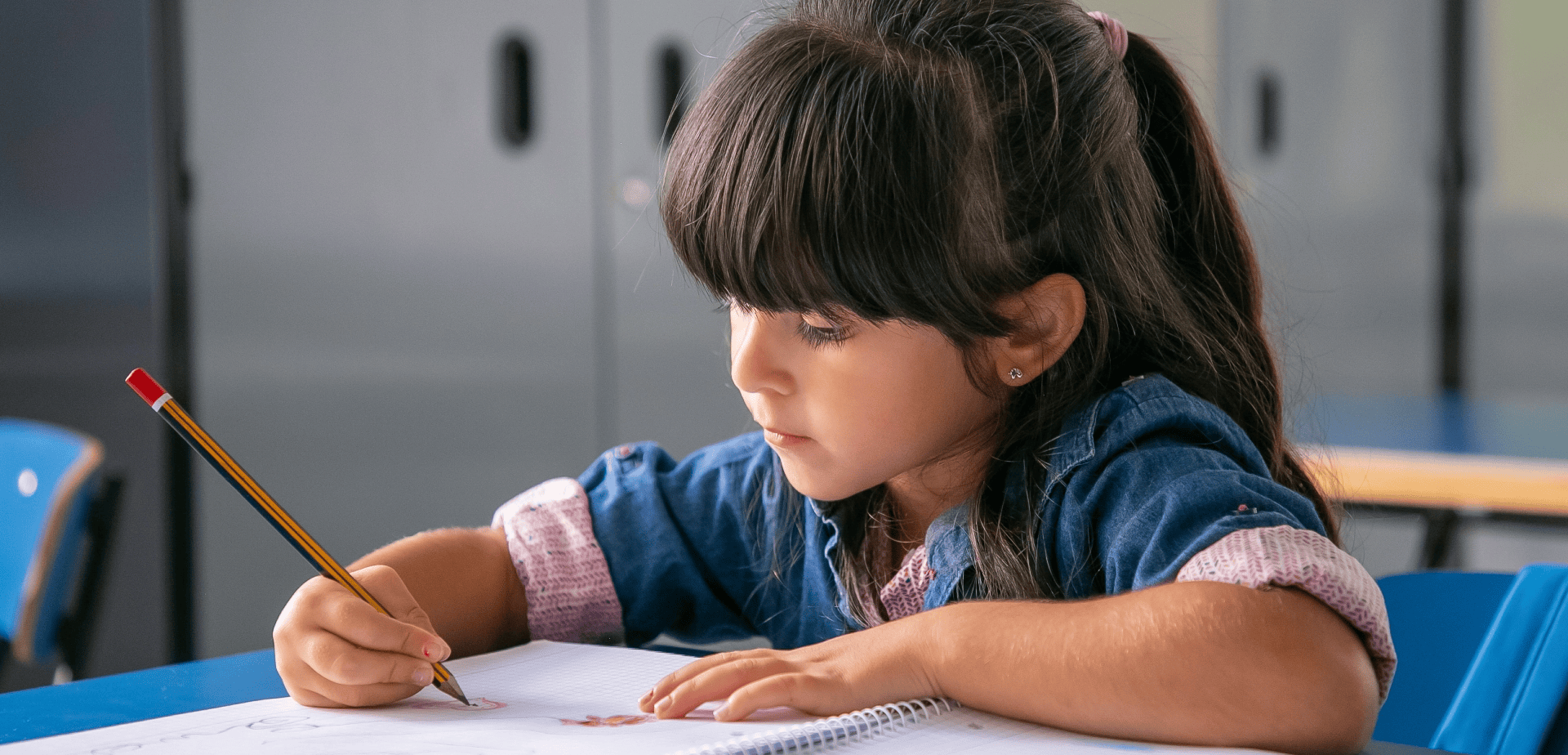
What research – backed multilingual education looks like in practice across home and school contexts:
- Consistent home language use — parents maintaining their strongest language with their children produces better outcomes than switching to a weaker school language, regardless of what well – meaning relatives advise
- Mother tongue literacy development alongside second language acquisition — children who learn to read in their first language transfer those skills to subsequent languages more rapidly and more securely
- Explicit metalinguistic discussion — talking with children about how languages work, comparing structures across languages, and treating linguistic difference as intellectually interesting rather than problematic
- School environments that actively support home language maintenance — the evidence for mother tongue programs within school education is among the most consistent in bilingual education research
- Patience with the silent period — newly arrived bilingual children in a new language environment often go through a period of reduced verbal output that reflects active processing, not confusion or regression
- Resistance to premature assessment in the second language — a child’s academic capability cannot be accurately assessed in a language they have been learning for less than two years, and private school admission processes that fail to account for this systematically underestimate multilingual applicants
The bilingual advantage is not automatic. It depends on genuinely developing both languages to a level of academic proficiency — what researchers call CALP, Cognitive Academic Language Proficiency — rather than simply having conversational exposure to two languages. Children who speak one language at home and another at school but develop neither to a high academic level may experience what Jim Cummins’ threshold hypothesis describes as limited bilingualism, which does not carry the cognitive advantages of full bilingualism. The goal, in school education terms, is not bilingual exposure but bilingual excellence — and achieving it requires deliberate, sustained investment from both families and schools.
For the internationally mobile families who increasingly characterize the population of private school and international school Cyprus communities worldwide, this investment is among the highest-return educational decisions available. A child who graduates genuinely bilingual or multilingual — with strong academic literacy in two or more languages, the cognitive advantages that full bilingualism confers, and the cultural competence that comes from navigating multiple linguistic worlds — possesses a combination of capabilities that no single-language education, however excellent, can replicate.