
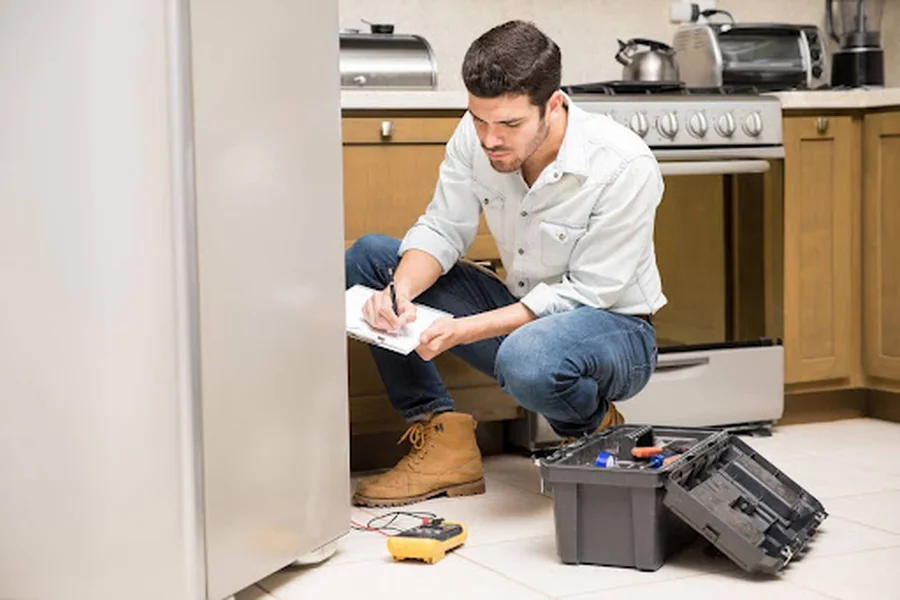

Most appliances don’t announce their problems. They just keep running, quietly degrading, until one morning something goes wrong. A refrigerator compressor fails overnight. A dryer ignites lint that’s been accumulating in a vent for two years.
According to the U.S. Fire Administration, roughly 2,900 clothes dryer fires in residential buildings are reported to U.S. fire departments every year. That number isn’t a fluke; it’s a pattern of deferred maintenance with very real consequences.
Here’s the thing most homeowners miss: appliance repair and home appliance maintenance aren’t just about restoring convenience. They’re about protecting the people inside your home, limiting financial exposure, and catching the small warning signs before they become catastrophic ones.
The Appliance Risks Most Homeowners Never See Coming
It’s easy to assume your appliances are fine if they’re still technically working. But “still running” and “running safely” are two very different things.
Refrigerators operating at improper temperatures create food safety hazards that aren’t visible until someone gets sick. Damaged door seals and failing compressors don’t announce themselves; they just quietly get worse.
Gas ranges carry even steeper risks: defective igniters, carbon monoxide buildup, and undetected gas leaks can escalate from inconvenient to dangerous in a remarkably short window. Even dishwashers, which many people treat as low-risk, can leak hot water behind cabinets, inviting mold growth and slip hazards that compound over time.
Central Florida’s climate introduces risks that homeowners in drier regions simply don’t deal with. High humidity accelerates internal corrosion. Frequent summer storms generate power surges that degrade control boards and motors over time. Short-term rental properties, Orlando has no shortage of those, experience compounded wear with far less consistent upkeep.
That’s why reliable appliance repair Orlando providers like Alpha Appliance Repair offer real value here. They know the regional conditions. They’ve seen the damage a Florida summer can do to a refrigerator compressor or a dryer control board. That local expertise matters more than most homeowners realize.
The Laundry Room Deserves More Attention Than It Gets
Washing machines develop hose bursts, electrical shorts, and drum mold, often in spaces that go unchecked for months. Dryers are the bigger concern. Lint accumulation inside the venting is a leading cause of residential fires. Yet most homeowners don’t think about their dryer duct until something actually catches fire.
Crushed ducting or plastic accordion-style vents dramatically increase fire risk. Rigid metal venting isn’t optional; it’s a genuine safety standard.
Practical Maintenance Habits That Actually Prevent Emergencies
You don’t need to be a technician to build a maintenance routine that meaningfully reduces household risk.
Refrigerator and Freezer Basics
Clean condenser coils every few months; accumulated dust forces the compressor to work harder, which stresses internal wiring and shortens the appliance’s lifespan. Certified refrigerators and freezers can save over 45 percent of the energy used by conventional models, equaling as much as $140 annually. Checking door seals and temperature settings regularly isn’t obsessive; it’s just smart.
Range and Oven Maintenance
Keep burners, drip pans, and igniters clean. A healthy gas flame burns blue. If yours is orange or yellow, that’s a signal of incomplete combustion and potentially dangerous carbon monoxide output. Gas smell? Shut off the supply immediately and call a professional. That’s not a situation that benefits from waiting.
Washer and Dryer Maintenance
Swap rubber supply hoses for braided stainless steel; they’re meaningfully more resistant to unexpected bursts. Clean the lint trap after every single dryer cycle, and schedule a thorough vent cleaning at least once a year. Confirm your dryer exhaust uses rigid or semi-rigid metal ducting throughout.
What a Professional Technician Actually Looks For
Some safety layers simply aren’t accessible without the right tools and training.
Electrical Safety Checks
During professional appliance repair services, a technician verifies grounding, polarity, and appropriate outlet types, GFCI or AFCI, especially near water sources. They inspect the power cord condition, internal terminal connections, and monitor whether the amperage draw falls within safe operating limits. These aren’t assessments most homeowners are equipped to make accurately.
Gas and Ventilation Evaluations
Gas line fittings get tested for leaks. Shutoff valve accessibility is confirmed. Technicians evaluate dryer exhaust airflow and assess carbon monoxide exposure risk from inadequately vented cooking appliances. These aren’t minor checkboxes, they’re life-safety evaluations that carry real consequences when overlooked.
What You Can Catch Yourself, and When to Call Someone
Knowing what professionals check makes you better at identifying problems early on your own.
Early Warning Signs Worth Taking Seriously
Unusual sounds, burning smells, unexplained temperature shifts, or unusual vibrations deserve attention the moment you notice them. Keeping a quick log of recurring issues is one of the simplest household appliance troubleshooting habits available, and one of the most underused.
Symptoms That Cannot Wait
Repeated tripped breakers, visible sparks, gas odors, soot marks near appliances, standing water, or any sensation of mild electrical shock are not situations to reset and ignore. These demand immediate appliance repair from a qualified technician, full stop.
A Quick Reference: DIY vs. Call a Pro
| Situation | DIY Safe? | Call a Pro? |
| Cleaning the lint trap | Yes | No |
| Replacing rubber supply hoses | Yes | Optional |
| Gas odor or burner flame issues | No | Immediately |
| Tripped breakers or burning smell | No | Immediately |
| Diagnosing electrical faults | No | Yes |
| Annual vent and coil cleaning | Partial | Recommended |
Closing Thought on Home Appliance Safety
Appliances don’t declare when they’re becoming hazardous. The degradation is gradual, and the warning signs are easy to rationalize away. Consistent home appliance maintenance, timely appliance repair, and scheduled appliance safety inspection visits from qualified technicians, those three habits are what actually keep homes safer over the long run. The risks are real. The fixes are often more affordable than people expect.
And the confidence that comes from knowing your appliances are genuinely safe? That’s worth the effort.
Questions Homeowners Frequently Ask About Appliance Safety
-
What services keep household appliances running and homes comfortable?
Core utilities, electricity, gas, water, and waste collection are the foundational services that enable appliances to function properly and keep daily household life running smoothly.
-
What should I do before the repair technician arrives?
Clear the area around the appliance and make sure the workspace is well-lit. Removing obstacles helps the technician work efficiently, diagnose the issue faster, and complete the repair without unnecessary delays.
-
How do I decide whether to repair or replace an older appliance?
If an appliance is over 10–15 years old, breaks down repeatedly, or lacks modern safety features like auto-shutoff, replacement is often the more sensible choice. A certified technician can honestly assess whether repair still makes financial and structural sense.