
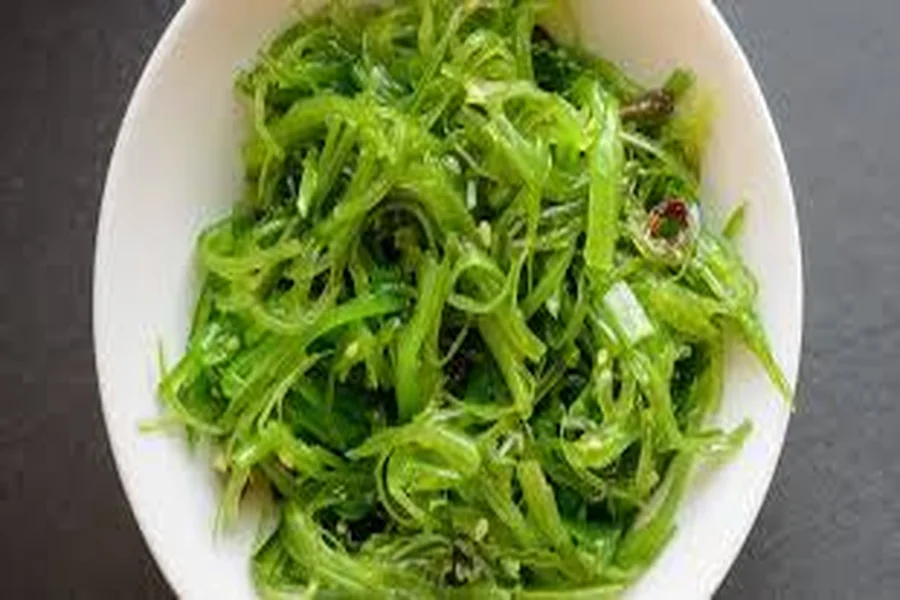

Sea moss has moved from niche ingredient to mainstream pantry staple—and for good reason. People use it for everything from smoothies to soups, often for its minerals, texture, and convenience as a plant-based thickener. But the surge in popularity has created a familiar problem: the online market is crowded, quality varies widely, and product pages don’t always tell the full story.
If you’re buying sea moss online for the first (or fifth) time, confidence comes from knowing what good looks like—and what questions a reputable seller should be able to answer without hesitation.
Start With the Basics: What “Sea Moss” Actually Is
“Sea moss” is a broad label. Most products sold as sea moss are red algae, often from the Gracilaria family (commonly marketed as “Irish moss” even when it’s not from Ireland). The name on the listing may be vague, but the product shouldn’t be.
Know the common formats (and what they imply)
You’ll typically see sea moss sold as:
- Dried raw sea moss (the most common for DIY soaking and blending)
- Sea moss gel (pre-made, convenient, but more variables: water quality, preservatives, shelf life)
- Capsules/powders (easiest to use, but hardest to verify visually)
Each format can be high-quality, but dried sea moss is often the easiest to evaluate because you can inspect color, texture, and cleanliness yourself.
“Wildcrafted” vs. “pool-grown” isn’t just marketing
Wildcrafted sea moss is harvested from natural ocean environments, while pool-grown sea moss is cultivated in controlled systems. Neither is automatically “better,” but you want transparency because growing conditions affect mineral content and contamination risk. Pool-grown can reduce exposure to some pollutants; wildcrafted can be more variable by region and season. What matters is whether the seller can explain their sourcing clearly.
Read Product Listings Like a Skeptic (In a Good Way)
A polished website doesn’t equal a clean supply chain. When you’re scanning a product page, look for signals that the seller understands quality control beyond buzzwords.
Prioritize traceability and testing
Sea vegetables can absorb what’s in the surrounding water—both the good and the not-so-good. That means responsible sellers take contamination seriously, especially for:
- Heavy metals (like lead, arsenic, cadmium, mercury)
- Microbial contamination (particularly relevant for gels)
- Iodine levels (important for people with thyroid concerns)
Ideally, you want batch-specific lab results or at least a clear statement about testing standards and frequency. If a listing claims “lab tested” but offers no detail—no lab type, no target contaminants, no date—treat it as an invitation to ask follow-up questions.
Watch for ingredient “extras” that quietly change the product
For gels, check the ingredient list. Some are simply sea moss + water; others include acids, sweeteners, preservatives, or added botanicals. None of these are automatically wrong, but they should be clearly disclosed so you can make an informed decision—especially if you’re buying sea moss for daily use.
Around the time you’re narrowing options, it can help to compare sellers that clearly outline what they offer and how it’s meant to be used. For example, a collection described around straightforward, minimally processed options—like pure sea moss for daily nutrition—gives you a reference point for what “simple and transparent” looks like in an online listing, even if you ultimately buy elsewhere.
Use Visual Cues (Even Online) to Judge Raw Sea Moss
You can’t smell or touch a product through a screen, but you can learn a lot from photos—when the seller provides honest ones.
What good dried sea moss often looks like
Expect natural variation. Sea moss isn’t supposed to look uniform like factory-made noodles. Depending on the type and origin, it may appear:
- Off-white, gold, tan, deep purple, or greenish
- Frond-like, curly, and irregular in shape
- Slightly salty or oceanic in appearance (not pristine “bleached” white)
Be cautious with unnaturally white sea moss. It can indicate bleaching or heavy processing. Also, check whether photos show the product up close, not only styled in jars.
Ask: is it clean—but not “too clean”?
A small amount of natural residue can happen with ocean-harvested products, but excessive sand, debris, or strong discoloration is a red flag. Reputable sellers usually provide prep instructions that include thorough rinsing and soaking, and they don’t pretend the product is magically ready-to-eat straight from the bag.
Evaluate the Seller, Not Just the Sea Moss
The best predictor of a good product is often the business practices behind it.
Look for practical transparency
A trustworthy sea moss seller typically provides:
- Clear origin information (region or country, not just “from the ocean”)
- Processing notes (sun-dried vs. machine-dried, gel preparation method)
- Storage guidance and realistic shelf life
- A way to contact them with questions (and responses that aren’t copy-paste)
If you message a seller asking about harvest location or testing and you get a vague reply, that’s useful information—just not the kind you want.
Reviews: read between the lines
Star ratings are easy to inflate. Instead, scan for reviews that mention specifics: taste, smell, texture after soaking, clarity of instructions, consistency across orders, or how the gel held up over time. Also look at the negative reviews—do they raise legitimate quality concerns, or are they mostly shipping delays and preference issues?
Make a Simple Pre-Purchase Checklist
Before you click “buy,” run through a quick quality filter. You don’t need to be a seaweed scientist—just consistent.
- Is the origin stated clearly?
- Are there details on testing (heavy metals/microbials)?
- Do photos show the real product close up?
- Is the ingredient list clean and specific (especially for gel)?
- Are storage instructions and shelf life realistic?
- Does pricing make sense for the format and sourcing? (Extremely cheap can signal shortcuts.)
Price, Shipping, and Storage: The Unsexy Details That Matter
Sea moss is sensitive to handling—especially gel.
Shipping can make or break gel quality
If you’re ordering gel, check whether it’s shipped with insulation or cold packs in warm months, and whether the company accounts for weekend delays. A gel that arrives warm and sits in transit too long can spoil quickly, even if it was made properly.
Know what “fresh” actually means
Fresh gel isn’t shelf-stable. Expect a shorter window and plan your usage. Dried sea moss is far more forgiving—kept cool and dry, it lasts much longer and gives you more control over preparation.
A Final Word on “Daily” Use
Many people treat sea moss as an everyday habit, but “daily” should still be thoughtful. Sea vegetables can be mineral-dense, and iodine content can vary. If you have thyroid conditions, are pregnant, or take medications affected by iodine or minerals, it’s wise to check with a clinician. Confidence isn’t only about avoiding scams—it’s also about choosing a product that fits your health context and your routine.
Buying sea moss online doesn’t have to feel like a gamble. Once you know what to look for—traceability, testing, honest visuals, and sensible handling—you’ll spot quality faster, ask better questions, and end up with a product you can actually feel good about using.