
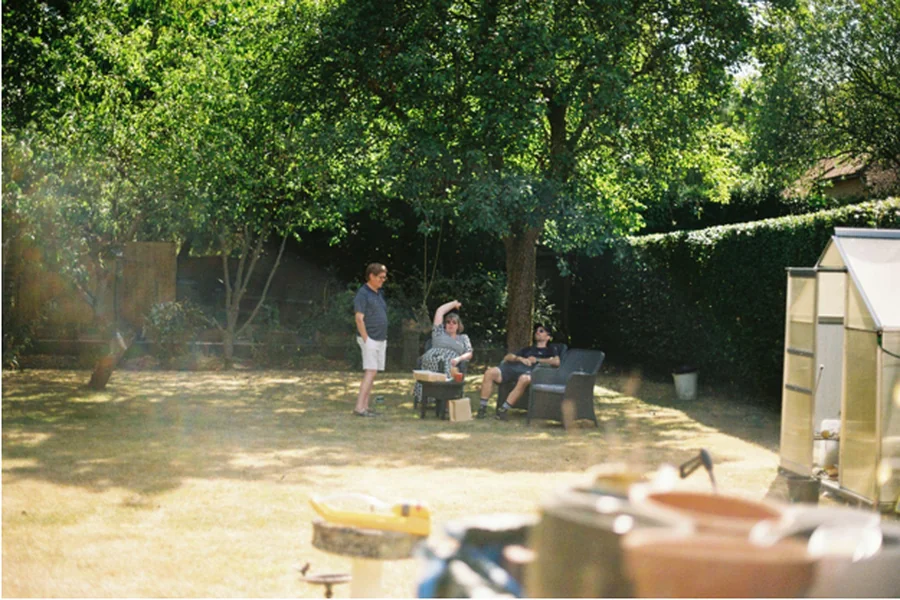

A backyard can have plenty of potential and still spend most of the year unused. The problem is often not the size of the space but the lack of a clear reason to spend time there.
When seating feels scattered, lighting is poor or there is nowhere comfortable to gather, people naturally drift back indoors. A few focused changes can make the yard feel much more inviting without turning it into a major landscaping project.
The most useful improvements usually create structure. Once the space has a clear social zone, better lighting and enough comfort to stay outside, it becomes much easier to use for dinners, conversations and casual evenings.
Create One Obvious Gathering Point
Backyards work better when people immediately understand where the main social area is.
A defined seating zone helps with that, especially when it has one strong central feature. Someone planning this kind of setup might use https://royalfirepits.com/collections/rectangle-fire-pits as a reference for a longer fire feature that can sit between two seating runs and give the group a natural focal point.
The rectangular shape can work particularly well with sofas, benches or paired chairs because it supports conversation across the feature rather than forcing everyone into a circle.
The main goal is to make the layout feel intentional. Once people know where to sit and gather, the rest of the yard becomes easier to organise.
Arrange Seating for Conversation
Outdoor furniture is often placed around the edges of a patio simply because that keeps the centre open.
That does not always create the best social layout.
People tend to talk more easily when seating faces inward and the distances between chairs are comfortable. A mix of fixed seating and movable chairs can help the space adjust for different group sizes.
Side tables matter too.
Guests are more likely to stay relaxed when there is somewhere obvious to place a drink or plate without balancing it awkwardly.
The best setup should work for four people without feeling empty and still accommodate a larger group when needed.
Use Lighting to Extend the Evening
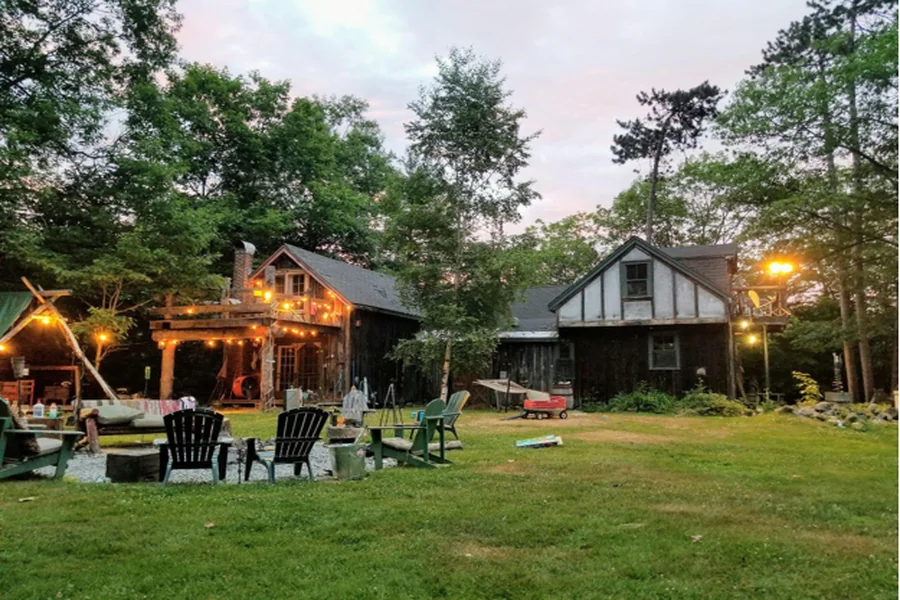
A backyard that works only in daylight will naturally be used less.
Good outdoor lighting changes that.
String lights, wall fixtures and low-level path lighting can make the yard feel safer and more atmospheric without turning it into an overly bright space.
The main seating area should have enough light for people to see each other comfortably, while paths and steps need clearer illumination for practical reasons.
Avoid relying on one harsh floodlight.
Layered lighting creates a much better atmosphere and allows different parts of the yard to feel connected without flattening everything into the same level of brightness.
Add Shade and Weather Protection
Comfort during the day matters just as much as warmth or lighting in the evening.
A space that becomes unbearably hot at midday will remain empty no matter how good the furniture looks.
Umbrellas, pergolas or shade sails can make the yard usable for more of the day. Covered areas also provide some protection from light rain and help furniture stay cleaner.
Wind is another factor worth considering.
Fences, planting or screens can reduce exposure in open yards and make the main seating area feel more sheltered.
The aim is not to control every weather condition. It is simply to remove the most obvious reasons people would rather stay indoors.
Make Food and Drinks Easy to Manage
Social spaces work better when people do not have to keep walking back into the house for everything.
An outdoor table, small serving station or even a simple cart can provide somewhere for drinks, snacks and plates.
If grilling is part of the routine, the cooking area should be close enough to the seating zone to keep the person preparing food involved in the conversation.
Storage can help too.
Keeping cushions, serving items or basic outdoor supplies nearby reduces setup time and makes spontaneous use more likely.
A backyard that requires thirty minutes of preparation before anyone can sit down will naturally be used less often.
Let the Space Develop Around Real Habits
It is easy to overdesign an outdoor area around an ideal version of how it might be used.
A better approach is to look at what actually happens.
If friends usually come over for evening drinks, prioritise comfortable seating and lighting. If family meals are more common, a larger table may deserve the best part of the patio. If the yard is mainly used at weekends, storage and easy setup may matter more than elaborate permanent features.
The space should support those habits rather than force new ones.
When the layout, comfort and lighting all match the way people already like to spend time, the backyard becomes easier to use naturally.
That is what turns an underused outdoor area into a real social space rather than simply a part of the property that looks good from the window.