

Weekend repairs don’t usually fail because they’re “hard.” They fail because the right tool isn’t within reach, the fastener is slightly unusual, or the job becomes an annoying sequence of compromises. A smart starter pack isn’t a sprawling collection; it’s a tight, dependable set designed around the three repeat offenders of home life: small plumbing drips, loosening hardware, and furniture that slowly migrates from sturdy to shaky.
The quickest way to keep momentum is to remove friction—so instead of drifting into a distraction mid-task like helicopter game online while a hinge still squeaks, you can make a clean adjustment and get back to your weekend. The tools below are chosen for coverage, control, and compact storage, with an emphasis on preventing damage in finished spaces.
The logic behind a “starter pack”
Most minor fixes are variations of the same mechanical themes:
- Tighten or loosen a fastener without stripping it
- Grip and turn something round (a nut, a pipe fitting, a stubborn knob)
- Align a part so it sits square and stable
- Cut or trim material cleanly and safely
- Illuminate and inspect cramped, shadowy areas
- Rebuild small interfaces (washers, pads, shims) that wear out over time
A starter pack should match these themes. If a tool only helps in a niche scenario, it’s not “starter pack” material. The goal is a minimalist kit that still feels powerful.
Tools that actually earn their space
1) Multi-bit screwdriver with a comfortable handle
Loose hinges and wobbly furniture often start with a single screw that backed out by half a turn. A sturdy driver with common bit types prevents cam-out (slipping) and reduces the chance of chewing up screw heads. Comfort matters: a thick, grippy handle lets you apply controlled pressure, which is more effective than brute force.
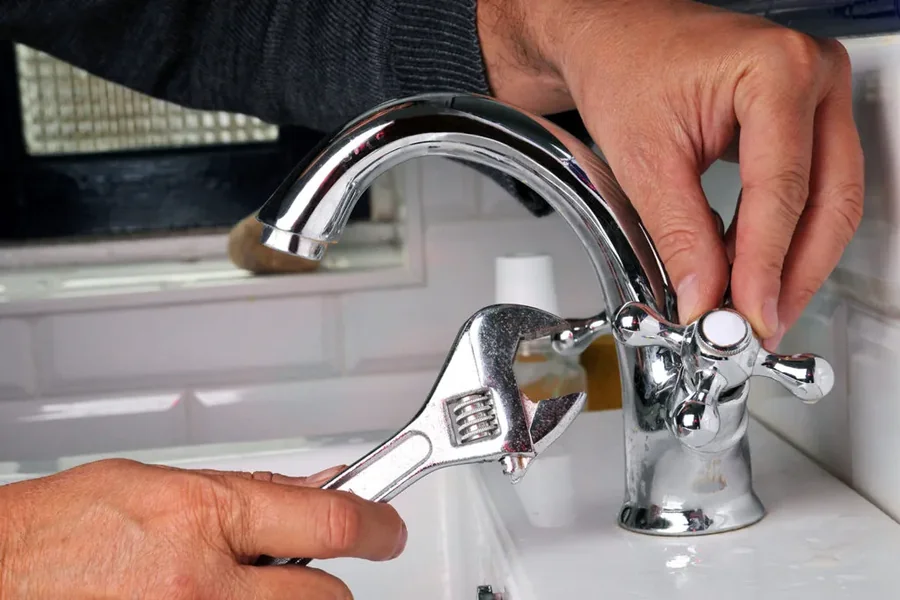
2) Small adjustable wrench
For many faucet and supply-line touch-ups, you need clean leverage on a nut without rounding it. An adjustable wrench covers multiple sizes in one compact body. Look for a tight jaw with minimal play; sloppy jaws slip and scar metal, turning a neat fix into a cosmetic mess.
3) Tongue-and-groove pliers
Where an adjustable wrench turns flats, tongue-and-groove pliers excel at gripping round and irregular shapes—pipe fittings, plastic nuts, smooth collars, and oddly sized hardware. They’re also useful as a stabilizing “second hand” while you turn something else, which is extremely valuable in cramped under-sink cabinets.
4) Hex key set
Furniture that wobbles often relies on internal hex bolts. A compact hex key set covers the common sizes and gives you better engagement than a single loose key floating in a drawer. This tool quietly extends furniture life by enabling periodic “re-tensioning” before joints loosen into permanent slop.
5) Utility knife with replaceable blades
Opening packaging, trimming a frayed edge, scoring old caulk, cutting a small shim—these are routine weekend chores. A sharp blade is safer than a dull one because it requires less force. Replaceable blades also keep your cuts crisp without any fuss.
6) Compact tape measure
Many “fixes” are actually “fit” problems: a bracket placed too close to an edge, a shelf that’s just slightly off center, a replacement part that looked right until it wasn’t. A small tape measure makes layout decisions factual rather than hopeful, saving time and preventing unnecessary holes.
7) Small level
Crooked hardware is a slow irritation that becomes more obvious over time. A compact level keeps hinges aligned, shelves tidy, and wall-mounted items visually calm. It also helps diagnose subtle problems: sometimes a “wobbly” table is really a floor slope issue that needs shimming rather than tightening.
8) Flashlight or headlamp
Under-sink leaks hide in the shadows, and loose hinges fail in dim corners where you can’t see the screw head clearly. Bright, direct light reduces mistakes and speeds diagnosis. A headlamp is especially efficient because it keeps both hands free.
9) Cordless drill/driver (compact, with a clutch)
This tool is optional in the strictest minimalist sense, but it’s a game-changer for weekend fixes. It drives screws consistently, drills clean pilot holes, and saves your wrists during furniture assembly. A clutch is crucial: it limits torque so you don’t overdrive screws into soft materials or strip threads in particleboard.
10) Small pry tool or putty knife
A thin pry tool helps lift trim gently, remove a stubborn cover plate, scrape old adhesive, or separate parts without gouging surfaces. It’s the difference between careful leverage and improvised levering with a screwdriver (which often damages finishes).
The small supplies that make tools work better
Tools solve the mechanical action, but small consumables often solve the underlying cause.
- Thread-sealing tape: Useful for minor plumbing connections where threads need a better seal.
- Assorted washers and O-rings: Many drips are simply worn rubber interfaces; having a few common sizes prevents an extra trip.
- Felt pads and furniture glides: Reduce wobble caused by uneven contact, protect floors, and quiet movement.
- Wooden shims or thin plastic shims: Essential for stabilizing furniture on uneven floors and aligning hardware.
- A small tube of adhesive (general-purpose): Helpful for reattaching loose trim, stabilizing a dowel, or reinforcing a small joint—used sparingly and thoughtfully.
These items are compact, cheap, and disproportionately effective. They also keep you from “over-tightening” as a substitute for proper interface repair.
Applying the pack to the three classic weekend problems
Leaky faucets and small drips
Most small drips are wear-and-compression issues: seals flatten, rubber ages, and joints relax. Your job is controlled disassembly, inspection, and reassembly—ideally after shutting off the local supply valves. The wrench and pliers provide measured torque; the flashlight reveals where moisture originates; washers and sealing tape address common failure points. The analytical priority is to avoid overtightening, which can deform parts and create new leaks.
Loose hinges and sagging doors
Hinges loosen because doors are dynamic loads: they swing, bounce, and repeatedly stress screws. The screwdriver is central, but the bigger win is diagnosing why screws loosen—stripped holes, misalignment, or inadequate bite. Sometimes a longer screw (appropriate to the frame) or a small shim is more effective than cranking harder. A level helps you see whether the hinge line is drifting.
Wobbly furniture and rattling joints
Wobble is usually a geometry problem, not a strength problem. Tighten the correct fasteners (often hex bolts), then address contact with the floor using pads or shims. If a joint is loose because material has compressed, you may need a thin shim to restore tension rather than endless tightening. The drill/driver speeds consistent tightening, but careful hand finishing prevents stripping.
Safety and “when to stop”
A starter pack is for low-risk fixes. Stop and call a professional if you see persistent water damage, can’t identify the leak source quickly, encounter electrical uncertainty, or suspect a structural mounting issue. The smartest tool in any kit is judgment: if the downside of guessing is expensive, don’t guess.
With this compact, purposeful set, weekend repairs become calm, quick, and satisfying—less about improvisation, more about tidy control.