
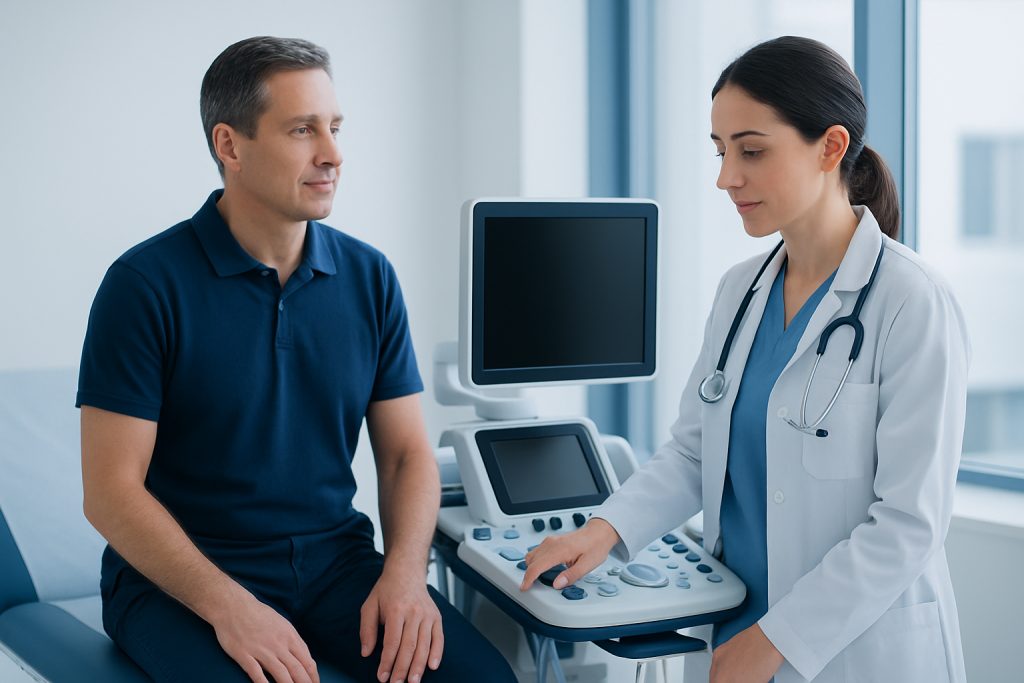

Medical research facilities maintain a calm, professional atmosphere designed to make volunteers feel secure and valued. People often wonder what happens past the reception desk during a scheduled research visit. Unlike a standard clinic visit, a research checkup follows a highly structured routine to gather precise scientific data. Every assessment protects volunteer health while it tracks the exact progress of an investigational treatment.
The schedule combines familiar health exams with specialized laboratory tests to ensure complete accuracy. This structured sequence is an essential component of the standard clinical trial process for participants. This article describes the typical sequence of events, assessment methods, and interactions that occur during a routine research appointment.
Complete the Initial Vital Sign Assessments
Every research appointment starts with a standard physical evaluation to establish a daily baseline. Nurses record foundational body metrics to confirm the volunteer is in stable health before any study procedures move forward.
- Blood Pressure and Pulse: Automated cuffs measure cardiovascular stats under relaxed conditions.
- Body Temperature: Digital thermometers verify the absence of acute infections or fever.
- Weight Verification: Accurate scales track minor physical variations across consecutive visits.
Participate in the Symptom and Medication Review
The research coordinator conducts a detailed discussion regarding the daily health status since the previous appointment. Volunteers answer straightforward questions about physical changes, energy levels, and sleep patterns. This careful review ensures that even minor health variations are documented accurately for the research team. This open conversation provides a supportive environment where participants share real-time feedback about their daily physical experience
Discuss Daily Log Entries
Participants frequently maintain a simple paper diary or digital application to record home observations. The coordinator reviews these entries to ensure total alignment with the study protocol.
- Pill Counts: Staff verifies correct medication adherence by counter-checking remaining dosages in the bottle.
- Symptom Timelines: The review pinpoints the exact time of day when specific physical reactions occur.
- Concomitant Medications: The team notes any new over-the-counter pills or vitamins to prevent drug interactions.
Undergo Specialized Laboratory Evaluations
Scientific studies rely heavily on biological samples to measure internal responses to a treatment. A phlebotomist collects blood samples in specialized tubes for detailed laboratory analysis. Urine samples help evaluate kidney function and track metabolic clearance rates over time. These tests provide objective feedback that physical exams cannot detect through sight alone.
Consult Directly with the Lead Investigator
A licensed physician reviews all compiled daily data and performs a targeted physical examination. The doctor evaluates heart sounds, chest clarity, and reflex responses to ensure total participant wellness. This consultation provides an excellent opportunity for volunteers to ask questions about the study timeline. The physician explains upcoming phases and ensures the volunteer remains comfortable with the research requirements.
Receive the Next Supply of Study Medication
Once the medical team confirms total safety compliance, the facility pharmacy dispenses the next batch of study materials. Staff provide clear verbal instructions alongside printed guides regarding correct storage and dosage times.
- Storage Rules: Certain specialized formulas require constant refrigeration at home.
- Timing Protocols: Specific treatments demand intake alongside morning meals for maximum absorption.
- Emergency Guidelines: The packet contains direct telephone numbers for immediate assistance between visits.
Schedule Future Facility Visits
The appointment concludes at the reception desk to lock in the next calendar date. Consistency ensures the data fits the strict timelines required by scientific protocols. This structured approach to the clinical trial process guarantees maximum volunteer safety and top-tier scientific data.
Regular research checkups blend standard medical care with advanced scientific observation in a comfortable environment. The meticulous attention to detail ensures that volunteer contributions directly advance global medical knowledge. Clear communication lines and professional staff support eliminate guesswork for participants at every stage. Dedicated participation creates a solid pathway toward safe, innovative therapies for future generations. This vital collaboration remains the bedrock of modern medical breakthroughs and improved human health worldwide.