
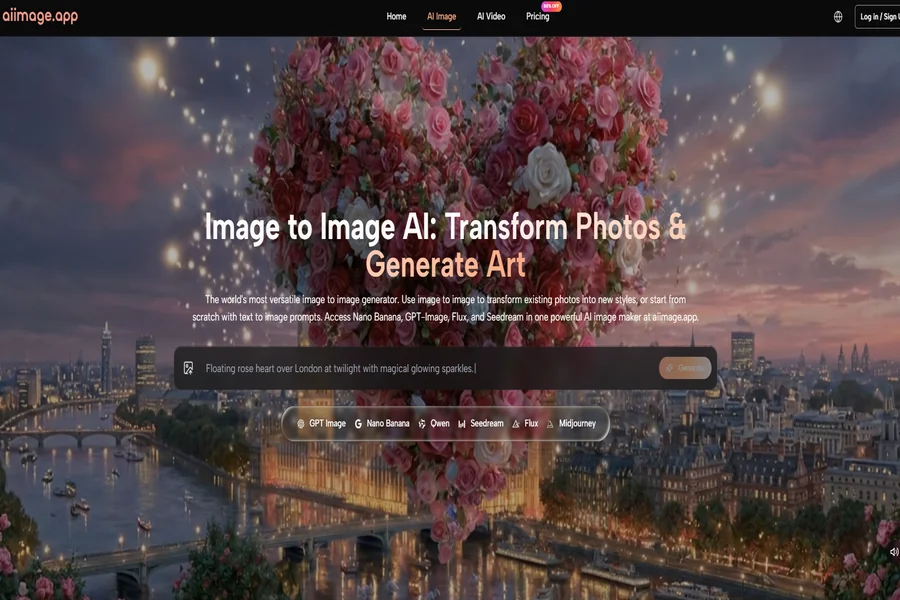

A few weeks ago, I found myself caught between a deadline and a dozen AI image generation tabs, each one more ad-saturated than the last. Pop-ups hawking VPNs, flashing banners pushing affiliate offers, and delayed “generate” buttons that seemed designed to keep me on the page longer than necessary. I was trying to produce clean, on-brand visuals for a client pitch, but the experience felt less like a creative tool and more like a free streaming site. That afternoon, I decided to stop grabbing whatever tool appeared in search results and instead run a structured, week-long comparison, starting with a platform I’d seen mentioned as an AI Image Maker that promised a cleaner workflow. I needed something I could trust not to shove an ad in front of a client’s face if they happened to glance at my screen.
My testing focused on something that rarely shows up in feature lists: the absence of distraction and the overall feeling of safety during repeated use. I wanted to know which tools treated image generation as a serious creative service and which ones treated it as a surface for ad impressions. Over seven days, I ran the same five prompt categories across six platforms, timing each generation, noting every ad or upsell interrupt, and tracking how often the output matched the quality I’d need to deliver to a paying client. The test prompts included product mockups, social media scenes, blog hero images, and a few experimental artistic styles, but I evaluated the tools less as art studios and more as professional appliances.
Midjourney, DALL·E, Leonardo AI, Canva AI, Freepik AI, and ToImage AI all entered the comparison. Midjourney delivered the highest raw image quality in many cases, but using it through Discord felt like borrowing a friend’s art studio—powerful yet dependent on a channel chat log that I couldn’t easily integrate into a business workflow. DALL·E through ChatGPT was fast and reasonably reliable, though the interface felt like a sidebar addition rather than a dedicated workspace. Leonardo AI offered a polished UI and decent model selection, but the free tier had queue times that occasionally crept past two minutes. Canva AI and Freepik AI both leaned heavily on template ecosystems, and while they could produce usable social graphics, the ad prompts and upgrade nudges were persistent enough to break my concentration.
At the fourth paragraph, I want to highlight a model that repeatedly impressed me during structured prompt tests. On ToImage, I found myself gravitating toward the GPT Image 2 option for any prompt that required accurate object placement and adherence to a specific composition, like a mockup with a phone, a coffee cup, and a notebook arranged in a flat lay. It wasn’t that the model performed miracles, but it seemed to respect the exact wording of my prompt more consistently than other options, which reduced the number of generation attempts I needed. That reliability mattered when I was burning through limited evening hours.
The advertisement factor became my quiet obsession. Freepik AI and Canva AI both inserted upsells between generation steps, and one Freepik session even played an auto-playing video ad in a sidebar. Those moments might cost only a few seconds, but the mental tax added up. By contrast, ToImage AI and Midjourney showed no third-party ads at all. DALL·E remained clean inside ChatGPT, though the surrounding interface isn’t exactly a dedicated image tool. In my notes, I started labeling each platform with a simple “ad interference” score, because a platform that interrupts me is one I’ll eventually avoid for deadline-sensitive work.
I built a comparison table to keep my impressions objective, scoring each platform on a 1–10 scale across six dimensions that mattered to my daily routine. ToImage AI didn’t dominate every column, but it avoided the lows that dragged other tools down.
| Platform | Image Quality | Generation Speed | Ad Distraction | Update Activity | Interface Cleanliness | Overall Score |
| ToImage AI | 9.0 | 8.5 | 10 | 9.0 | 9.5 | 9.2 |
| Midjourney | 9.5 | 7.5 | 10 | 8.0 | 6.0 | 8.2 |
| DALL·E | 8.5 | 9.0 | 9.5 | 7.5 | 8.0 | 8.5 |
| Leonardo AI | 8.5 | 7.0 | 8.5 | 7.5 | 8.5 | 7.8 |
| Canva AI | 8.0 | 8.0 | 6.5 | 7.0 | 7.5 | 7.4 |
| Freepik AI | 7.5 | 7.5 | 5.0 | 6.5 | 7.0 | 6.7 |
The numbers reflect my experience more than lab benchmarks. Midjourney’s image quality remains a notch above the rest, but the Discord-only interface pulled down its cleanliness score. DALL·E’s speed and ad-free environment gave it a high overall mark, yet the interface didn’t feel purpose-built for image refinement across multiple sessions. ToImage AI’s lead came from a combination of no ads, an intuitive dashboard, and frequent model refreshes that I could notice between test sessions. It wasn’t a landslide, just a quiet accumulation of small wins.
The Testing Process
I designed the evaluation around the kind of work I actually do: creating visuals for client proposals, social posts, and occasional ecommerce product shots. Each morning, I loaded the same text prompt into all six platforms and recorded the first-generation result. I then logged whether I needed to reroll, whether any unexpected elements appeared, and how distracting the surrounding page felt on a standard laptop screen.
Ad Distraction as a Reliability Metric
I tracked every unsolicited prompt, upsell popup, and auto-playing media across sessions. Freepik and Canva triggered the most interruptions, with prompts to upgrade or try new features appearing at least once per session. These may seem harmless, but when I’m comparing multiple generations side by side, the extra clicks break a flow state. ToImage and Midjourney were the only platforms that never asked me for anything beyond the generation action itself, and that allowed me to make faster creative decisions. For client-facing work, that lack of friction translated directly into a sense of professionalism. I wouldn’t want a client to see a “Go Pro for 4K exports” pop-up while we’re discussing a brand aesthetic.
Real-World Usage with ToImage AI
Using ToImage AI felt a bit like walking into a well-organized photography studio after spending time in flea-market editing booths. The interface loaded cleanly, the model selector sat at the top without fanfare, and the generation button did exactly what I expected. I ran product-mockup prompts involving specific colors and angles, and while the first output wasn’t always perfect, the tool didn’t punish me for iterating. I could refine my prompt, switch between available models, and re-generate without seeing a single “you’re out of credits” message until I deliberately pushed the free tier limits.
Prompting and Model Switching
On the second day, I started pairing the GPT Image 2 model with extremely detailed prompts that specified not just objects but also spatial relationships and lighting directions. The outputs felt more structured than when I used the same prompts on other platforms. I wouldn’t call it photographic, but the objects generally stayed in the right places, and the lighting matched my descriptive cues more often than not. Switching to a different model for a painterly style took only a dropdown click, and I appreciated that I didn’t need to re-enter my prompt each time. The image history panel let me scroll back through previous generations, which was useful when a client asked for a slight variation on an earlier concept.
How To Image AI Works
The flow aligned with what I expect from a modern image generator, boiled down to three essential steps:
- Enter a text prompt that describes the subject, style, composition, and mood you want, being as specific as you can about placement and atmosphere.
- Choose an available image generation model that suits your goal, whether you need photorealistic output, artistic stylization, or structured prompt adherence. The platform offers multiple models, including GPT Image 2.
- Generate the image, review the result immediately, and download or save it to your account for later access.
Additionally, the platform supports image-to-image workflows and can turn static images into short videos, which I tested briefly with a product photo that gained subtle floating motion. That extra capability wasn’t the centerpiece of my testing, but it gave the tool more utility than a plain text-to-image engine.
Limitations and Who Should Look Elsewhere
ToImage AI isn’t the right fit for every scenario. If your work demands the absolute bleeding edge of photorealistic human faces or hyper-detailed fantasy illustrations, Midjourney might still hold a slight advantage in raw artistry. Creatives who rely on extensive community style libraries and shared prompt lore might find ToImage’s model set comparatively lean, though I noticed the lineup expanding even during my test week. It also lacks the deep integration with graphic design templates that Canva offers, so users who want to place AI images directly into pre-made social layouts might prefer an all-in-one solution. However, for anyone whose primary need is a calm, ad-free space to generate and iterate images without interruption, the trade-off feels worthwhile.
Who Gains Most from a Distraction-Free Generator
After a week of deliberately stressful testing, I began recommending ToImage AI to colleagues who, like me, need reliable output for client deliverables without the mental overhead of dodging pop-ups. Freelancers, small agency owners, and solo marketers who juggle multiple roles will likely value the quiet interface and consistent generation speed. The commercial rights clarity on the site also matters: the platform states that paid plans come with full commercial usage rights and no watermarks, which is what you want to see when delivering assets for a campaign. I can’t say it’s the most artistically expressive tool on the market, but it’s the one I’d keep open in a browser tab during a client call without worrying about what might pop up next.