
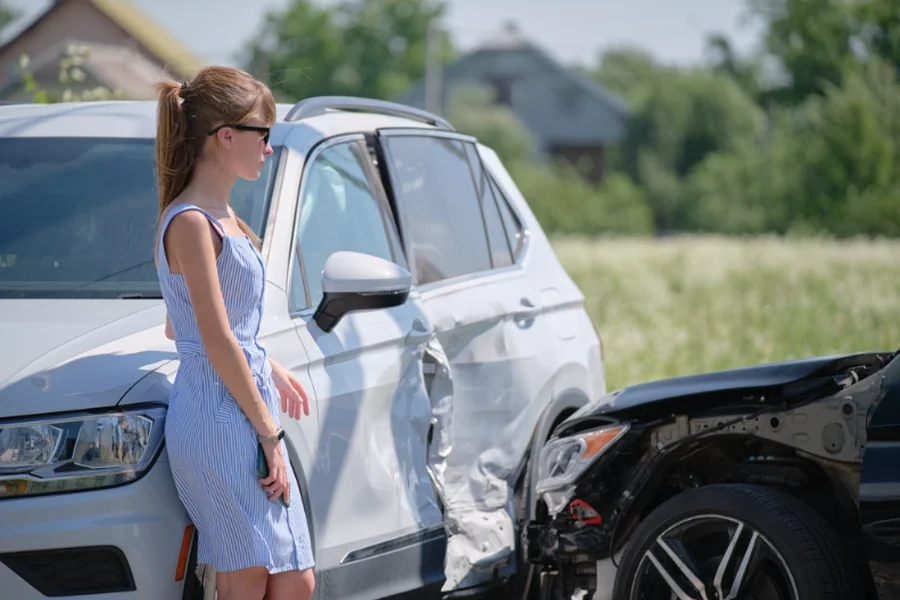

Silence becomes strangely valuable after a car accident. People often think damage is measured by broken headlights, police reports, or repair bills, but many problems begin with simple words spoken too quickly.
A nervous apology, a rushed explanation, or a casual “I’m okay” can quietly follow someone for weeks during insurance conversations and injury claims. Drivers across Florida often do not realize how much pressure exists in those first few minutes after a crash. Even small statements may later affect conversations about compensation for car crash victims, especially if injuries appear days later.
Careful communication matters more than most people expect.
“I’m Sorry” Even Casual Apologies Can Be Misunderstood
Many people apologize automatically after stressful situations. It happens naturally after a loud collision, sudden panic, and confusion in traffic. Somebody checks the damage, looks at the other driver, and immediately says sorry without even thinking about fault.
That one word can later create confusion.
Insurance companies sometimes review statements very carefully, especially during investigations. Even a polite apology may sound like admitting responsibility for the accident. A driver may only be expressing concern or shock, but those details do not always translate clearly later.
A calmer response works much better. Asking whether everyone is safe keeps the conversation focused on health instead of blame. Staying respectful without discussing responsibility protects everyone from misunderstandings while facts are still unclear.
Florida roads stay busy throughout the year, especially around crowded intersections and shopping areas. Stress rises quickly after accidents, and emotional reactions become common. Speaking carefully helps prevent extra problems after an already difficult situation.
“I’m Fine” Before Injuries Fully Appear
Pain does not always arrive immediately after a crash. The body reacts strangely during stressful moments, and adrenaline often hides symptoms for hours or even days.
Drivers sometimes stand beside damaged vehicles, saying they feel completely normal. A day later, neck stiffness begins. Back pain follows after another night of sleep. Headaches slowly appear during work or while driving again.
Early statements about feeling fine may later create issues during insurance discussions because insurers sometimes question why injuries were not mentioned earlier.
Injuries That Commonly Show Up Later
Several injuries commonly appear after some time passes:
- Neck strain and whiplash
- Back pain and muscle stiffness
- Concussions and headaches
- Soft tissue injuries
These injuries may not feel serious at first, but they can affect daily life very quickly. Speaking too confidently before medical evaluations are complete can create unnecessary complications later.
Guessing What Happened Can Backfire
Accidents happen fast. Most people remember pieces of the crash instead of every detail clearly. One driver may believe the light was green while another remembers braking differently. Confusion becomes very normal after impact.
That is why guessing becomes risky.
Some drivers start explaining speed, distance, or traffic patterns immediately after the crash, even though they are still shaken. Others assume fault before understanding what actually happened around them.
Simple factual communication works best. Sharing necessary information with police officers and emergency responders is important, but creating theories about the crash too early can lead to inaccurate statements staying attached to the case later.
Busy Florida traffic creates complicated accident scenes every day. Multiple lanes, sudden turns, distracted drivers, and rainy weather can make collisions difficult to process in the moment fully.
Giving Too Much Information to Insurance Adjusters
Insurance calls often come surprisingly fast after an accident. Some people receive calls the same day while they are still dealing with repairs, pain, or medical appointments.
Adjusters usually sound calm and friendly, which makes many drivers comfortable enough to keep talking longer than necessary. People begin explaining injuries, daily activities, or personal opinions about the crash without realizing how carefully those conversations may be documented.
Recorded statements given too early sometimes create problems later if injuries worsen or new medical concerns appear. Even small inconsistencies may become frustrating during claim discussions.
That is one reason many accident victims stay cautious during early insurance conversations. Careful communication often protects discussions involving compensation for car crash victims after serious or delayed injuries appear.
Talking About the Accident on Social Media
Social media creates another problem that many drivers never expect.
After an accident, people naturally update friends and family online. Someone posts a smiling picture at dinner, checks into a gym, or writes a quick status saying everything is okay. Those harmless updates may later create misleading impressions about injuries or recovery.
Even comments from friends can complicate things. A joke, a casual remark, or a public discussion about the crash may later be reviewed during insurance disputes.
Staying quiet online after an accident usually prevents unnecessary confusion. Private recovery and careful communication remain much safer while claims are still active.
What You Should Say Instead After a Car Accident
Calm and factual communication works best after any crash. Drivers should focus on safety, emergency response, and exchanging necessary information instead of discussing blame or injuries too deeply at the scene.
Simple statements usually help most:
“Are you okay?”
“I need medical attention.”
“Let’s wait for the police.”
“Here’s my insurance information.”
Keeping conversations brief allows facts, medical evaluations, and official reports to speak more clearly later.
Conclusion
Words feel small after a car accident, but they often stay attached to the situation much longer than drivers expect. A rushed apology, an early statement about feeling fine, or casual online comments can quietly create extra stress during insurance discussions and injury claims. Careful communication protects both physical recovery and financial concerns after a collision.
Many drivers focus only on vehicle damage at first. Still, the conversations that happen afterward can shape the entire experience, especially in stressful cases involving compensation for car crash victims after serious Florida accidents.