
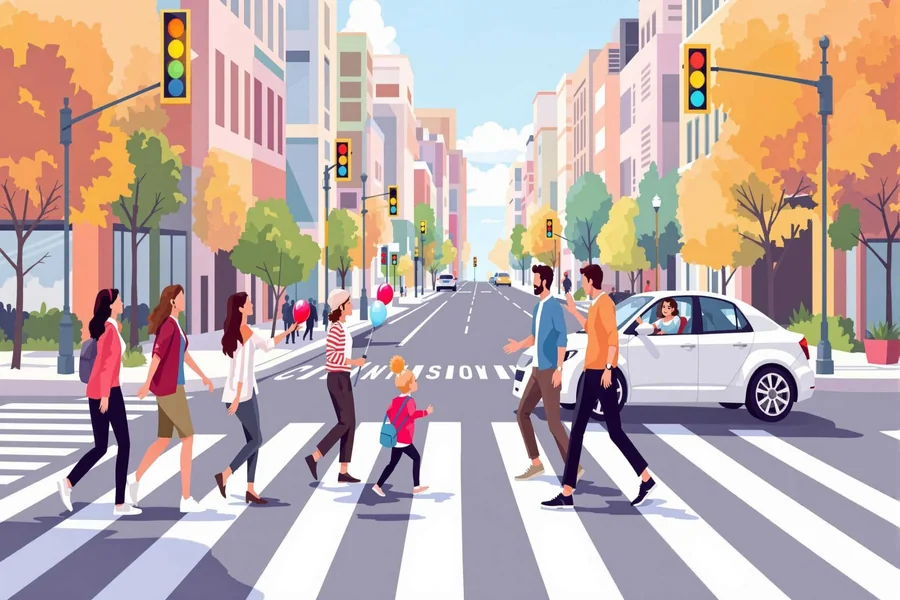

A crosswalk is supposed to give pedestrians a safer place to cross. It tells drivers to expect people on foot and reminds them to slow down, look carefully, and yield when required. But when a driver is distracted, even a marked crosswalk may not be enough to prevent a serious collision.
Distraction can take a driver’s eyes, hands, or attention away from the road at the worst possible moment. A text message, navigation screen, passenger conversation, food, music, or moment of mental inattention can cause a driver to miss someone who was plainly visible. When a pedestrian is hit in a crosswalk, the investigation should look closely at whether the driver was truly watching the road.
A Crosswalk Cannot Protect Against Inattention
Crosswalks create structure, but they cannot physically stop a distracted driver. A pedestrian may wait for the signal, look both ways, and begin crossing lawfully, only to be struck by someone who never noticed them.
This kind of crash can feel especially unfair because the pedestrian may have done what they were supposed to do. The driver’s failure to see them may come from inattention, not from poor visibility. That distinction matters when determining fault.
A Few Seconds Can Change Everything
A driver does not need to look away for long to cause harm. At city speeds, a vehicle can travel a significant distance in the time it takes to read a message or glance at a map. By the time the driver looks back up, a pedestrian may already be in the lane.
Pedestrians cannot move out of danger as quickly as vehicles can. A distracted driver may have no time to brake, steer, or warn the person before impact. Those lost seconds often become central to understanding why the crash happened.
Phones Are Not the Only Distraction
Texting is one of the most recognized forms of distracted driving, but it is not the only one. Drivers may be distracted by GPS directions, dashboard screens, food, drinks, pets, children, passengers, grooming, or objects inside the vehicle.
Mental distraction can also matter. A driver may be looking forward but thinking about something else. If they fail to process a pedestrian in the crosswalk, their eyes being open does not mean they were paying attention.
Turning Drivers Pose a Special Risk
Many crosswalk crashes happen when drivers turn left or right. A turning driver may focus on traffic gaps, oncoming vehicles, or the traffic light and forget to check the crosswalk. If they are also distracted, the risk increases.
This is dangerous because pedestrians often cross at the same time turning vehicles are allowed to move. The driver must look for people on foot before entering the crosswalk. A quick glance is not enough when lives are at stake.
Stopped Traffic Can Hide Pedestrians
A distracted driver may not understand why other vehicles are stopped. If one car stops to allow a pedestrian to cross, another driver may pass, change lanes, or continue forward without checking the reason.
This can lead to a serious crash in a multi-lane crosswalk. The pedestrian may be visible to one driver but hidden from another until the last moment. A careful driver should slow down and look for people whenever traffic stops near a crosswalk.
Speed Makes Distraction More Dangerous
Speed reduces the time available to notice and avoid a pedestrian. A distracted driver who is also speeding may cover more distance before looking up and may need more room to stop.
Even a lower-speed crash can severely injure a pedestrian. The body has no protection against the force of a vehicle. When distraction and speed combine, the chances of broken bones, head injuries, internal trauma, and fatal harm increase.
The Driver May Claim the Pedestrian Came Out of Nowhere
After a crosswalk crash, drivers sometimes say the pedestrian appeared suddenly. That claim should be tested against the facts. Was the pedestrian already in the crosswalk? Was there a walk signal? Were other cars stopped? Was the driver turning without looking?
A pedestrian does not “come out of nowhere” simply because the driver failed to pay attention. Evidence may show that the person was there long enough for a careful driver to see and avoid them.
Phone Records May Become Important
If distraction is suspected, phone records may help show whether the driver was calling, texting, using data, or interacting with an app around the time of the crash. These records can support or challenge the driver’s explanation.
Other evidence may also matter. Vehicle infotainment data, navigation history, dashcam footage, witness statements, and surveillance video may help show whether the driver was distracted before impact.
Video Can Capture What the Driver Missed
Crosswalks are often located near businesses, intersections, bus stops, parking lots, and apartment buildings. These places may have cameras that recorded the crash or the moments before it.
Video may show the pedestrian entering the crosswalk, the driver’s speed, whether the vehicle braked, whether the driver turned suddenly, or whether other vehicles yielded. This footage may be overwritten quickly, so identifying cameras early is important.
Injuries May Affect Every Part of Life
Pedestrian injuries can be severe because the person absorbs the force directly. Injuries may include fractures, traumatic brain injuries, spinal injuries, hip injuries, knee damage, internal injuries, scarring, or chronic pain.
Medical records can help connect the crash to the harm. Emergency care, imaging, surgery notes, therapy records, prescriptions, and work restrictions may show how the collision changed the pedestrian’s health and daily life. Effective Fort Lauderdale pedestrian accident injury lawyers may review these records alongside crash evidence to show the full impact of the driver’s distraction.
Emotional Trauma Should Not Be Overlooked
Being hit in a crosswalk can leave emotional scars. A pedestrian may feel afraid to cross streets, walk near traffic, or return to the place where the crash happened. Sleep problems, anxiety, irritability, and loss of confidence may follow.
These effects can change normal routines. Someone who once walked to work, school, stores, or exercise may now avoid walking altogether. Counseling records, personal notes, and family observations can help show this part of the loss.
When a Missed Crosswalk Becomes a Preventable Crash
Distracted drivers can turn a marked crosswalk into a danger zone. A person on foot may be visible, lawful, and careful, yet still be struck because a driver looked away or failed to focus.
A strong investigation should review phone use, vehicle movement, signal timing, video footage, witnesses, speed, braking, and medical records. When distraction causes a driver to miss someone in a crosswalk, accountability begins with showing that the crash was not unavoidable. It was the result of attention that should have been on the road.