
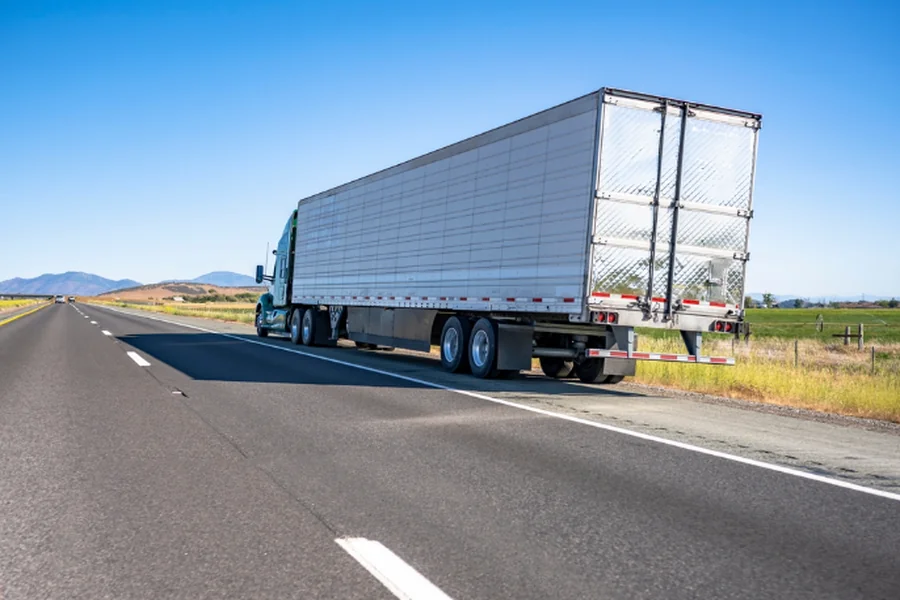

Delivery trucks have become part of everyday traffic, moving through neighborhoods, busy streets, and highways from morning until evening. Their constant presence keeps businesses and homes connected, but it also means accidents involving these large vehicles happen from time to time.
Unlike a crash between two personal vehicles, responsibility is not always easy to identify. A single accident may involve several people or even a company behind the driver. That is why a FedEx and UPS truck accident often requires a closer look before anyone decides who may actually be responsible. The answer is rarely as simple as it first appears.
Determining Liability Is Not Always as Simple as It Looks
A commercial delivery truck operates differently from a personal vehicle. The driver is usually working, following delivery schedules, and using a vehicle owned or managed by a business. Because of that, an accident may involve questions that do not normally arise in an ordinary traffic collision.
Finding out who may be responsible means looking carefully at the facts instead of making quick assumptions. The actions of the driver, the condition of the truck, company procedures, and even outside conditions may all become part of the review before responsibility is determined.
The Driver May Be Responsible in Certain Situations
Every driver has a responsibility to follow traffic laws and operate a vehicle safely. If a delivery truck driver ignores those responsibilities, that behavior may become an important part of the accident investigation.
Speeding, distracted driving, failing to stop at traffic signals, or making unsafe turns are examples of actions that could contribute to a crash. Investigators often review witness statements, traffic camera footage, and police reports to understand what happened before the collision.
Still, every accident is different. The cause cannot be determined simply because a commercial truck was involved. The available evidence must explain how the accident occurred before responsibility can be assigned.
The Delivery Company May Also Share Responsibility
Sometimes the investigation extends beyond the driver. A delivery company may also become part of the discussion if business practices or company responsibilities played a role in the accident.
Vehicle maintenance is one example. If a truck was not properly inspected or repaired before going onto the road, mechanical problems could contribute to a collision. Hiring practices, driver training, and workplace supervision may also become relevant depending on the facts of the accident.
Responsibility is not always limited to one person. Commercial vehicle accidents often require investigators to examine both the driver’s actions and the company’s role before reaching any conclusions.
Other Factors Can Influence Who Is Liable
Road Conditions and Outside Circumstances
Not every accident happens because of driver error. Road conditions sometimes play an important role in how a collision develops. Heavy rain, poor visibility, construction zones, damaged pavement, or unexpected obstacles may all affect the events leading to the accident.
These outside conditions do not automatically remove responsibility from anyone, but they help investigators understand the complete picture instead of focusing on only one factor.
More Than One Party May Be Involved
Some commercial truck accidents involve more than one responsible party. Another driver may have contributed to the collision, or a mechanical failure could raise questions about vehicle parts or maintenance performed by someone outside the delivery company.
A FedEx and UPS Truck Accident may also involve independent contractors or third-party service providers depending on how the vehicle was operated or maintained. Because commercial transportation involves several moving parts, liability sometimes extends beyond the people directly involved in the crash.
Building a Clear Picture of What Happened
Determining liability depends on evidence rather than assumptions. Police reports often provide an early description of the accident, but they are only one part of the investigation. Photographs, witness statements, vehicle inspection records, and available video footage may all help explain how the collision occurred.
Commercial delivery vehicles may also have maintenance records, driving logs, or other business documents that provide additional information. Reviewing these materials together creates a more complete understanding of the accident instead of relying on a single source.
Every piece of evidence adds another layer to the overall picture. The goal is not to reach a quick answer but to build an accurate understanding of what happened before deciding who may be legally responsible.
Conclusion
Accidents involving FedEx or UPS trucks often involve more questions than a typical car crash because responsibility is not always limited to the driver alone. Company policies, vehicle maintenance, road conditions, and even the actions of other drivers may all become part of the investigation.
Every accident has its own facts, which is why careful evidence and a detailed review are so important. Looking at the complete picture instead of making early assumptions provides the clearest path toward understanding who may actually be responsible after a commercial truck accident.